Best Cold-Weather Baseball Gear for Players and Parents (2026)
Affiliate disclosure: some links below are Amazon affiliate links. If you buy through them, NTX Select Baseball may earn a small commission at no extra cost to you. We only list gear we’d actually put in a bat bag.
The cold weather baseball gear that matters in North Texas is short and specific: a thin base layer under the jersey, cold-weather batting gloves, a skullcap that fits under the cap, a neck gaiter for the dugout, a stash of hand warmers, and a real stadium blanket for parents. From November through February, first pitch is often in the 30s or 40s with a north wind, and the hard part isn’t the play. It’s sitting still between innings.
This guide splits the list into a player kit and a parent sideline kit, calls out what’s a gimmick, and explains when Texas “cold” really calls for gear. It’s part of our North Texas select baseball gear guide, where you’ll find every gear pick for the season in one place.
When does Texas “cold” actually need gear?
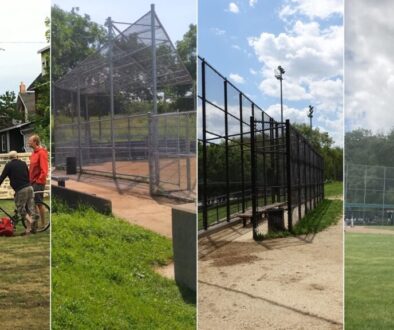
People up north laugh at a Texas winter until they sit through a 7:30 a.m. game at a wide-open complex with wind coming across the outfield. Fall ball and winter tournaments around DFW and up toward the Red River run on cold mornings that warm up by afternoon, so kids end up layering, peeling off, and layering back on all weekend.
A simple rule of thumb we like:
- Above about 60°F: regular uniform. Maybe a hoodie for warm-ups.
- About 50–60°F: long-sleeve base layer under the jersey. Keep a hoodie or jacket in the dugout.
- About 40–50°F: full player kit: base layer, cold-weather batting gloves, skullcap, hand warmers. Parents bring the blanket.
- Below about 40°F or windy and wet: everything on this list, plus extra socks. Check the tournament director’s weather updates before you leave the house.
Wind matters more than the number on your phone. A sunny 48°F feels fine. A cloudy 48°F with a 15 mph north wind feels like the dugout is a refrigerator.
The player kit: layers that don’t slow anyone down
The goal for players is warm without bulk. A kid in a puffy coat can’t throw, and a kid in a cotton hoodie under the jersey ends up sweaty and then freezing. Think thin, stretchy layers that wick sweat and block wind.
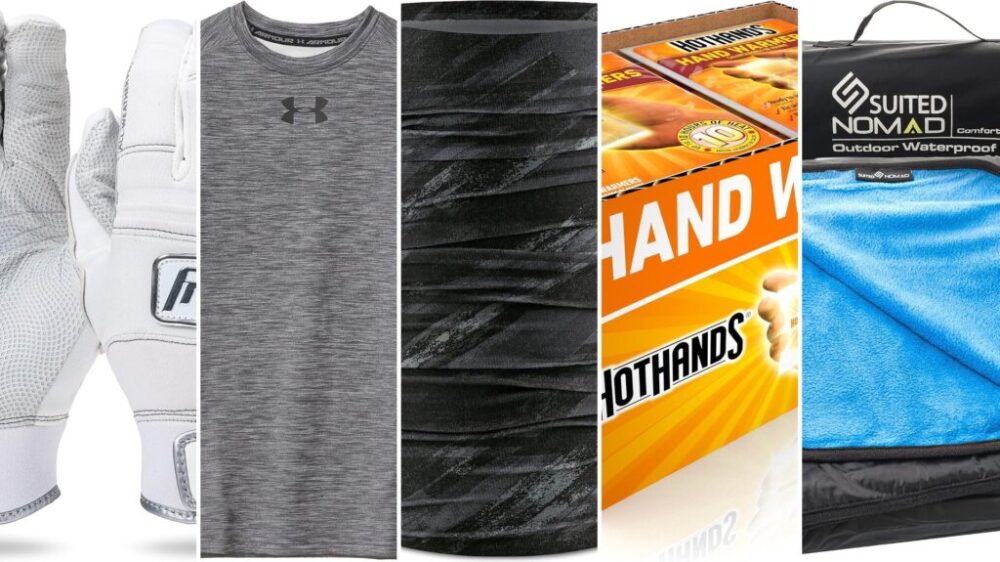
1. Franklin All Weather Pro batting gloves — cold mornings at the plate
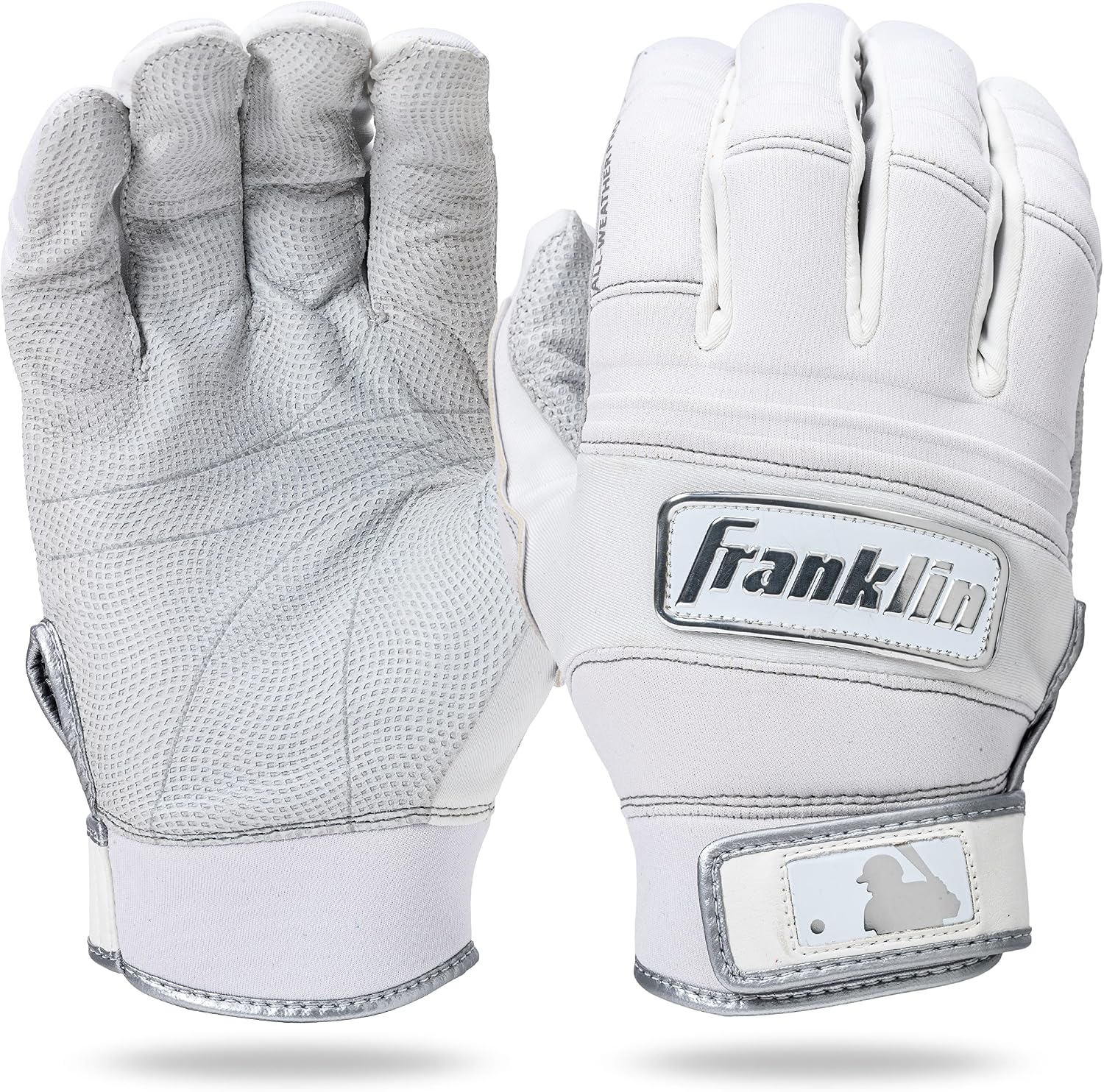
Fleece-lined palms and a wind-resistant back keep hands usable between at-bats without turning batting gloves into ski mittens. Kids still feel the bat, which is the whole point. Franklin makes them in youth and adult sizes, so check the size chart before you order.
- Best for: Players who still need bat feel when it’s 40°F and windy
- Watch-outs: Warmth is moderate — great for Texas cold, not Midwest snow; size carefully (youth vs adult)
- Budget lane: Mid ($35–50)
2. Under Armour ColdGear long sleeve — the base layer kids will actually wear
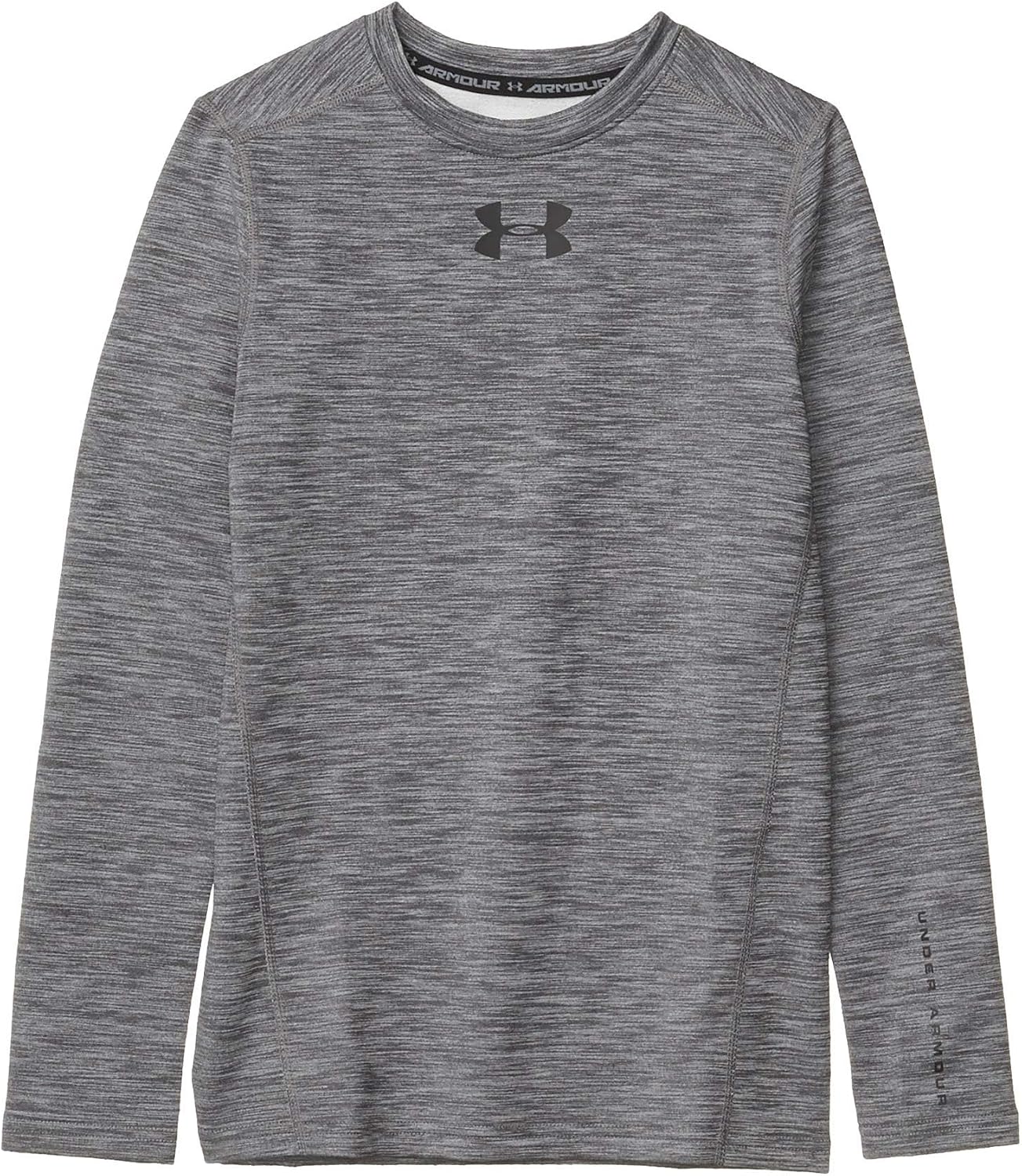
This is the workhorse of a North Texas cold kit: brushed inside, slick outside, and thin enough to wear under a jersey without looking like a marshmallow. Plenty of kids who swear they “don’t get cold” start asking for it after one windy 8 a.m. first pitch.
- Best for: Under-jersey warmth for fall ball and winter travel weekends
- Watch-outs: Fitted cut — size up if your kid hates compression; black/navy hide dirt better than white
- Budget lane: Budget–mid (roughly $17–40 depending on size and color)
3. Under Armour CGI Bonded skullcap — warmth that fits under a game hat
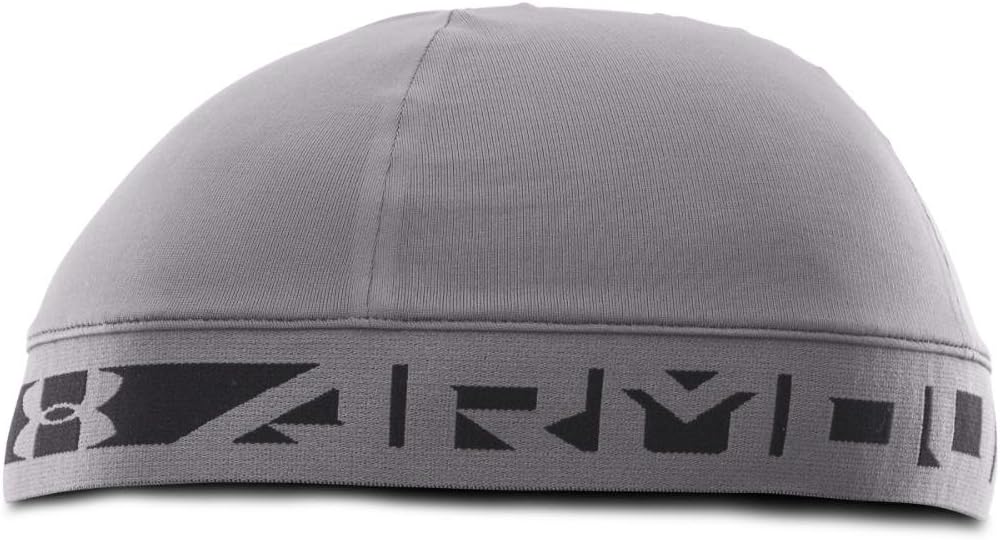
Most winter beanies are too bulky to wear under a fitted cap. A thin bonded skullcap solves the real dugout problem: ears and scalp freezing between innings, without wrecking how the game hat or helmet fits.
- Best for: Players who lose heat through their head but still need a normal cap/helmet fit
- Watch-outs: Adult sizing — try on with their game hat before a tournament weekend; not a fashion beanie
- Budget lane: Budget–mid (~$15–25)
4. BUFF ThermoNet neck gaiter — wind blocker for the dugout
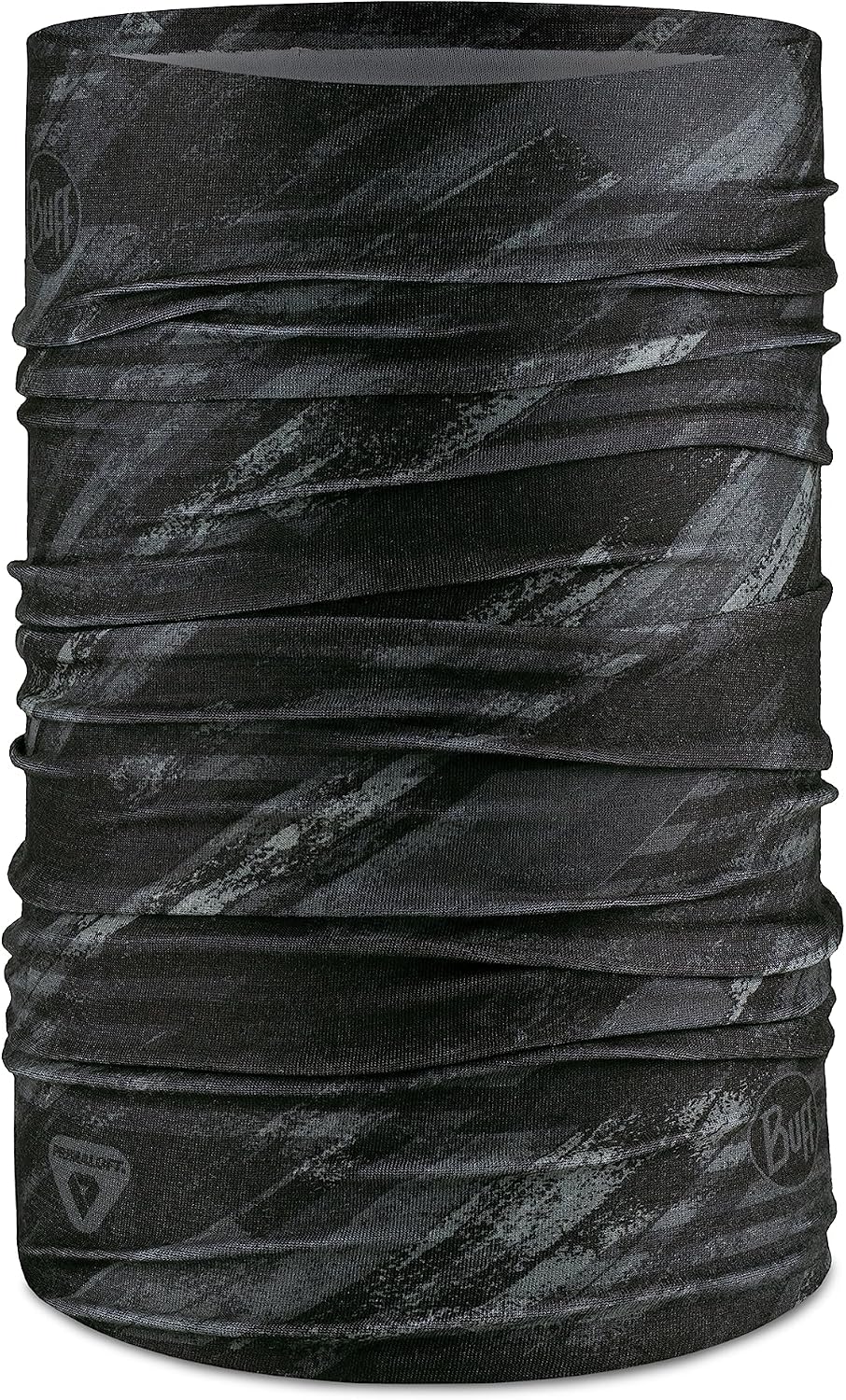
Texas “cold” is usually wind + damp, not deep freeze. A ThermoNet gaiter covers the gap between collar and chin when kids sit still in the dugout. Lightweight enough they’ll actually keep it in the bag.
- Best for: Neck/face wind protection that packs into a bat bag pocket
- Watch-outs: Not a medical mask; pull it down to breathe hard between pitches; wash often
- Budget lane: Mid (~$20–30)
The dugout problem: staying warm between innings
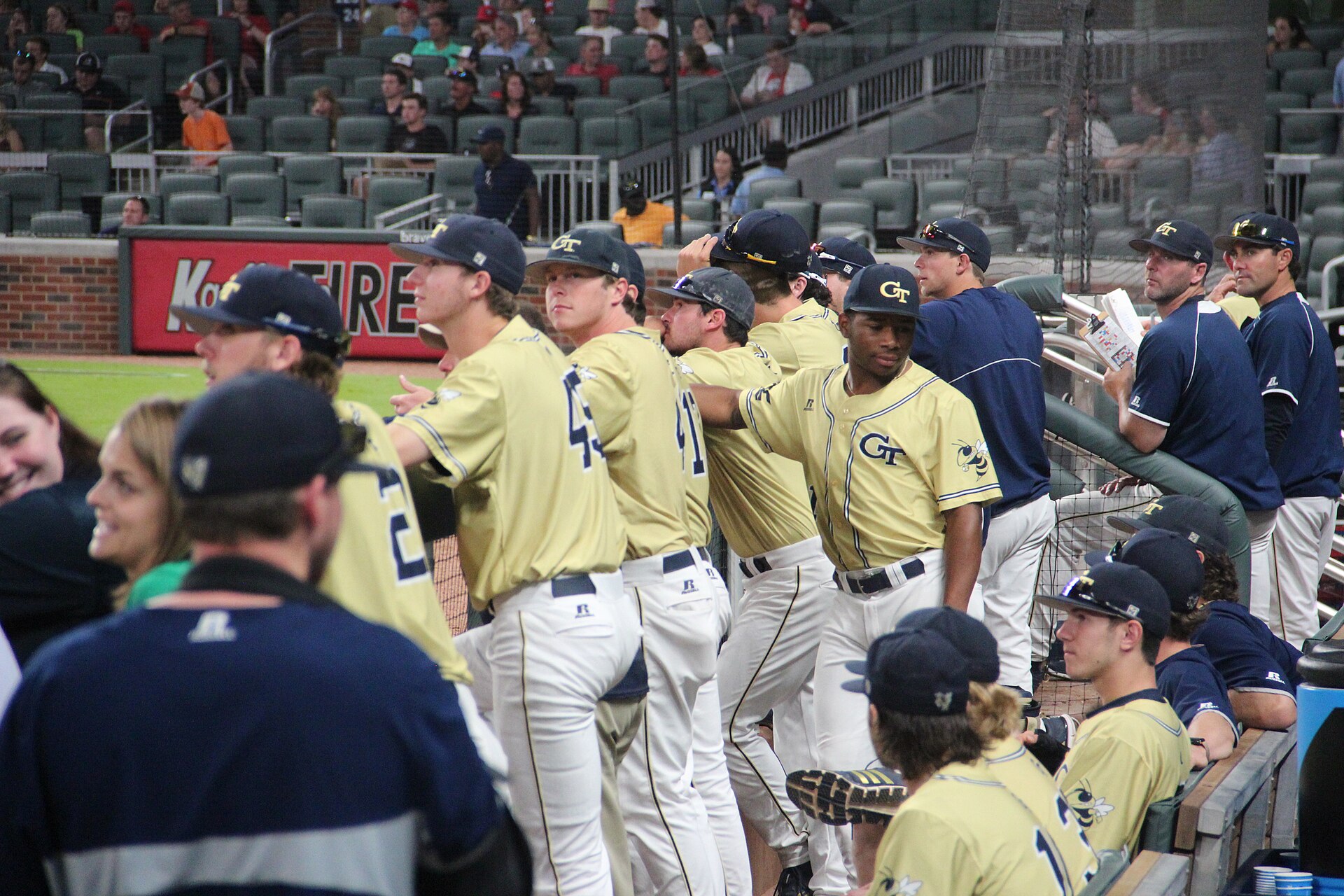
Here’s what most cold-weather guides miss: players aren’t cold while they’re running. They get cold in the dugout. Half an inning of sitting still on a metal bench after sweating on the field drains heat fast, and cold hands lead to bad throws and stung hands on contact.
- Jacket on the second they come off the field. Keep one hook or bag spot in the dugout just for it.
- Hands in pockets with a warmer, not blown on. Breath makes gloves damp, and damp gloves get colder.
- Pitchers keep the throwing arm covered between innings. Ask your coach how they want pitchers warming back up.
- Dry socks at the break between doubleheader games. Wet feet from morning dew are an easy way to lose the second game.
5. HotHands hand warmers — cheap heat between innings
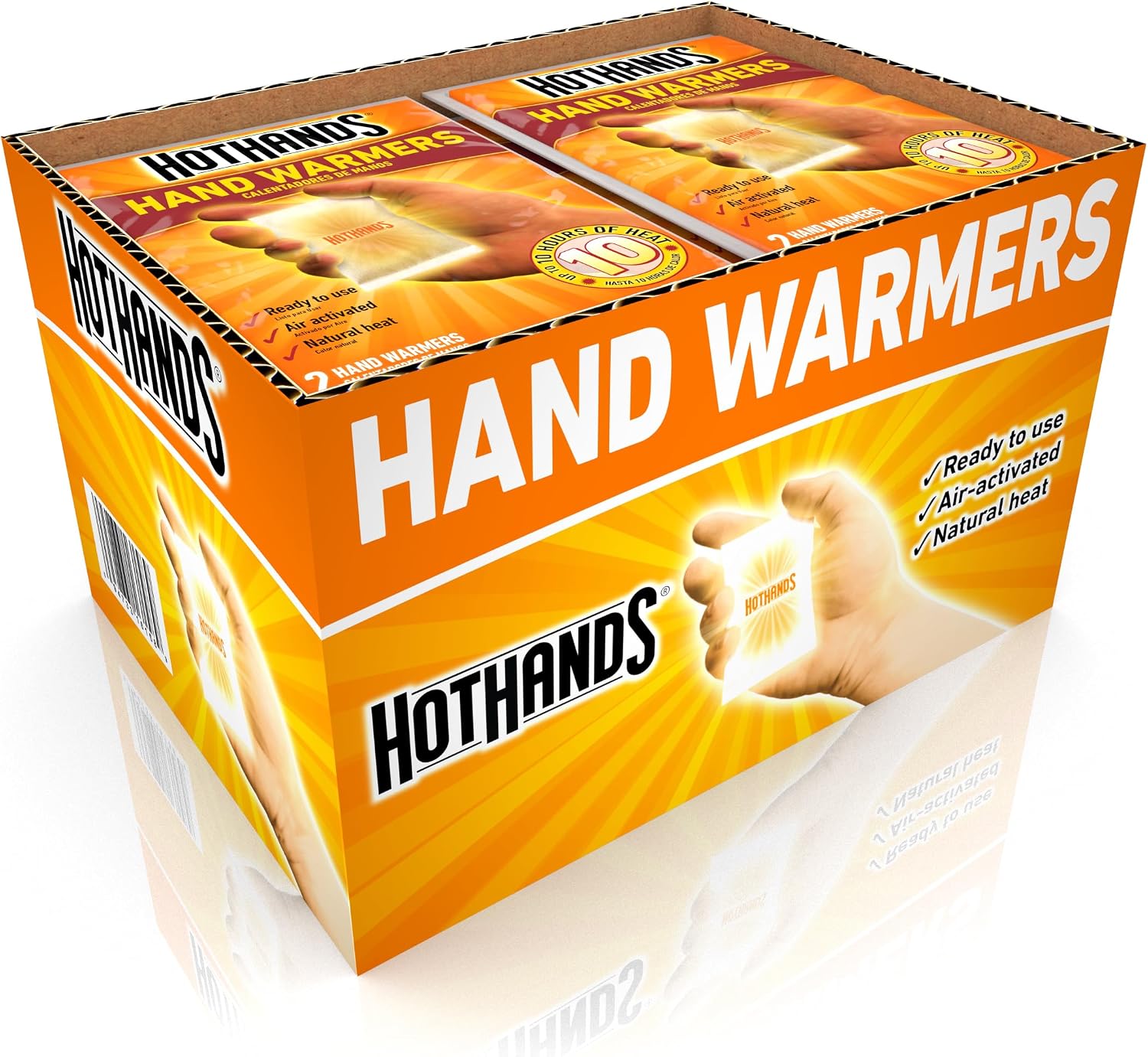
The least glamorous, most-used item on this list. Toss a pair in jacket pockets between innings, or hand one to the kid who just came off the mound. Cheaper and harder to lose than a fancy rechargeable warmer.
- Best for: Sideline/dugout reheat for batters and parents in the stands
- Watch-outs: Air-activated — open only when needed; keep a few sealed packs in the wagon all season
- Budget lane: Budget (bulk pack)
The parent sideline kit
Players get adrenaline. Parents get aluminum bleachers, a folding chair, and three hours of wind. If you’ve ever left a game early because you couldn’t feel your toes, this part is for you.
6. SuitedNomad stadium blanket — parent sideline survival
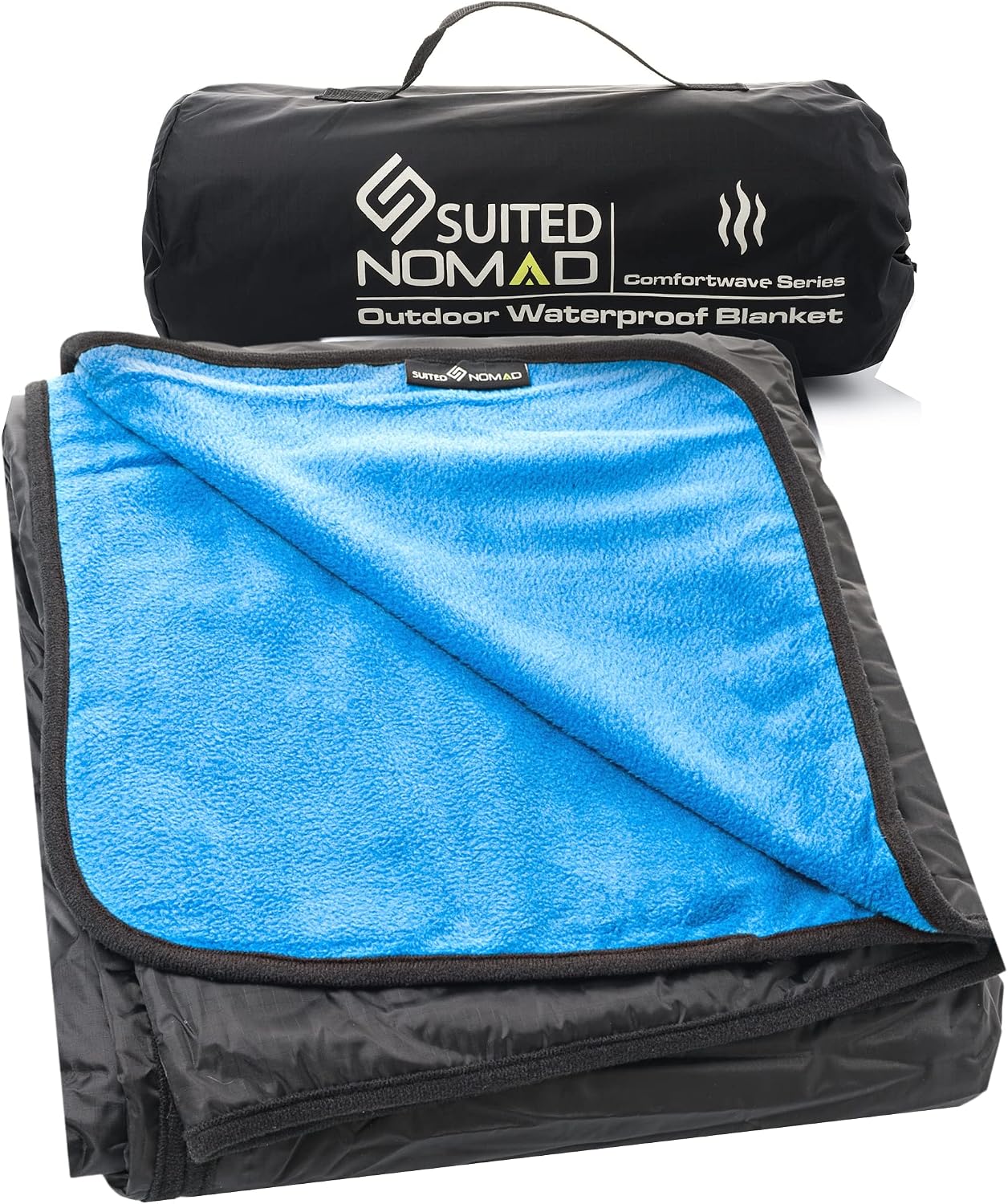
Players get layers. Parents get aluminum bleachers and wind. A packable waterproof/fleece stadium blanket is the difference between lasting a doubleheader and leaving in the third inning. Keep one in the car from Halloween through spring break.
- Best for: Parents freezing on metal bleachers in November–February
- Watch-outs: Bulky in a tiny purse — keep it in the wagon/car; waterproof side down on wet seats
- Budget lane: Mid (~$35–45)
Pair the blanket with a solid folding chair and a wagon so you’re not carrying it all from the far parking lot. Our guide to chairs, wagons and canopies for tournament weekends covers the rest of the sideline setup.
A few parent extras that cost almost nothing:
- A thermos of something hot. Concession lines are longest when it’s cold.
- A seat cushion or folded towel for metal bleachers.
- Warm socks and real shoes. Sneakers in wet grass will soak through by the third inning.
- A spare beanie and gloves in the car for the kid who swore they didn’t need them.
What actually helps vs. what’s a gimmick
| Worth it | Usually skip |
|---|---|
| Thin brushed base layer under the jersey | Thick cotton hoodie under the uniform (holds sweat, then chills) |
| Fleece-lined batting gloves for at-bats | Ski gloves or mittens in the field |
| Thin skullcap that fits under the game hat | Big pom-pom beanie that won’t fit under a cap or helmet |
| Disposable hand warmers in pockets | Pricey rechargeable gadgets kids lose by spring |
| Waterproof stadium blanket for parents | A thin throw from the couch that soaks through |
Before buying anything, check what your league or tournament allows during live play. Some events limit what players can wear on the field, so hoodies and gaiters may be dugout-only.
Pack it the night before
Cold mornings mean early alarms, and early alarms mean forgotten gear. Keep a small “cold kit” pouch inside the bat bag from November on: skullcap, gaiter, a few hand warmers, and a spare pair of socks. If your player’s bag is already overflowing, our roundup of the best baseball bags for travel has options with room for an extra layer.
And if cold weather has you rethinking the glove itself, stiff leather gets stiffer in the cold, so a well-broken-in glove matters even more. See our best baseball gloves for 2026 buying guide for sizing by age and position.
Quick cold-weather checklist
- Player: base layer, cold-weather batting gloves, skullcap, neck gaiter, dugout jacket or hoodie, extra socks.
- Dugout bag: hand warmers (sealed until needed), water. Kids still dehydrate in the cold.
- Parent: stadium blanket, chair, thermos, warm shoes, spare gloves.
For more picks across bats, bags, nets and tournament gear, head back to the North Texas select baseball gear guide.
Product photos via Amazon. Section photos via Wikimedia Commons, credited under each image.