The Scariest Things in Youth Baseball: Halloween Edition
Every October, the neighborhood gets fake cobwebs, inflatable ghosts, and a skeleton sitting in a lawn chair. Baseball parents walk past all of it unbothered. We’ve seen worse. We’ve seen a 7:00 a.m. check-in at a complex 70 minutes away.
Here are the scariest things in youth baseball — the stuff that actually keeps North Texas select parents up at night — and how to survive each one without losing your mind, your Saturday, or your kid’s love of the game.
New to all this? Start with the bigger picture in our Ultimate Guide to Select Baseball in North Texas, then come back and get spooked properly.
1. The bracket that drops at 11:48 p.m.
You went to bed thinking the first game was at 10. You wake up to a group-text screenshot: pool play moved, first pitch is 8:00, and the field is on the far side of the metroplex. Somewhere a director hit “publish” right before midnight and vanished into the fog.
How to survive it: Don’t plan the morning until the schedule is final. Pack the car the night before anyway, set an alarm early enough for the worst-case field, and check the tournament app — not the group chat rumor — before you leave the driveway.
2. The heat that doesn’t believe in fall
The calendar says October. The turf says August. Early fall ball in North Texas can still mean long afternoons with little shade, hot bleachers, and kids playing a third game on tired legs.
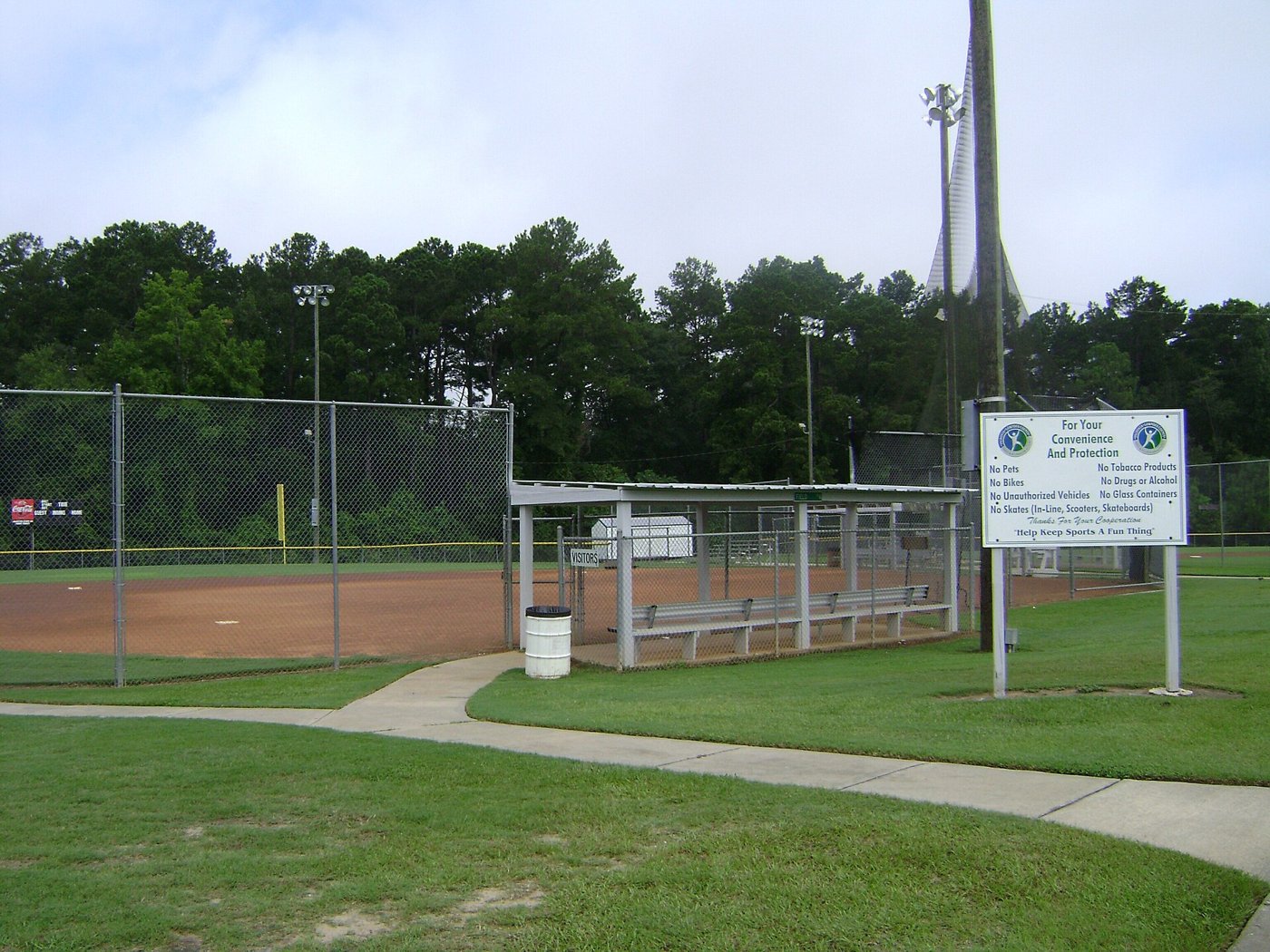
How to survive it: Water before they’re thirsty, a cooler that’s actually cold, a shade plan for siblings, and a towel for the dugout. Watch for the quiet kid who stops talking between innings — that’s often the first sign something’s off. Treat heat as a safety issue, not a toughness test.
3. The 11 p.m. group chat
It starts with “Quick question about Saturday.” Ninety messages later, three parents are arguing about the batting order, one person has left the chat, and someone typed “not trying to start anything, but…” — the most frightening words in the English language.
How to survive it: Mute it after logistics are settled. Never type anything you wouldn’t say to the coach’s face at the fence. If you recognize a few characters from that thread, you’ll find the full cast in our field guide to the types of select baseball parents.
4. The bat that’s “not legal for this tournament”
There is no sound in baseball quite like an umpire turning a $300 bat over in his hands, reading the knob, and saying, “Coach, this one can’t be used.” Bat stamps are real, and the sanctioning body for the event decides which ones count.
How to survive it: Before you buy, ask the coach which certification the team’s tournaments require and read the stamp on the barrel or knob. Don’t assume a bat that’s fine in one league is fine everywhere. Keep a backup the team knows is legal.
5. The pitch count nobody wrote down
Three games, two days, one kid who “felt great.” Then Sunday morning he’s rubbing his elbow and nobody can say how many pitches he threw Friday night. Some events track innings instead of pitches, and plenty leave it to coaches to keep the count.
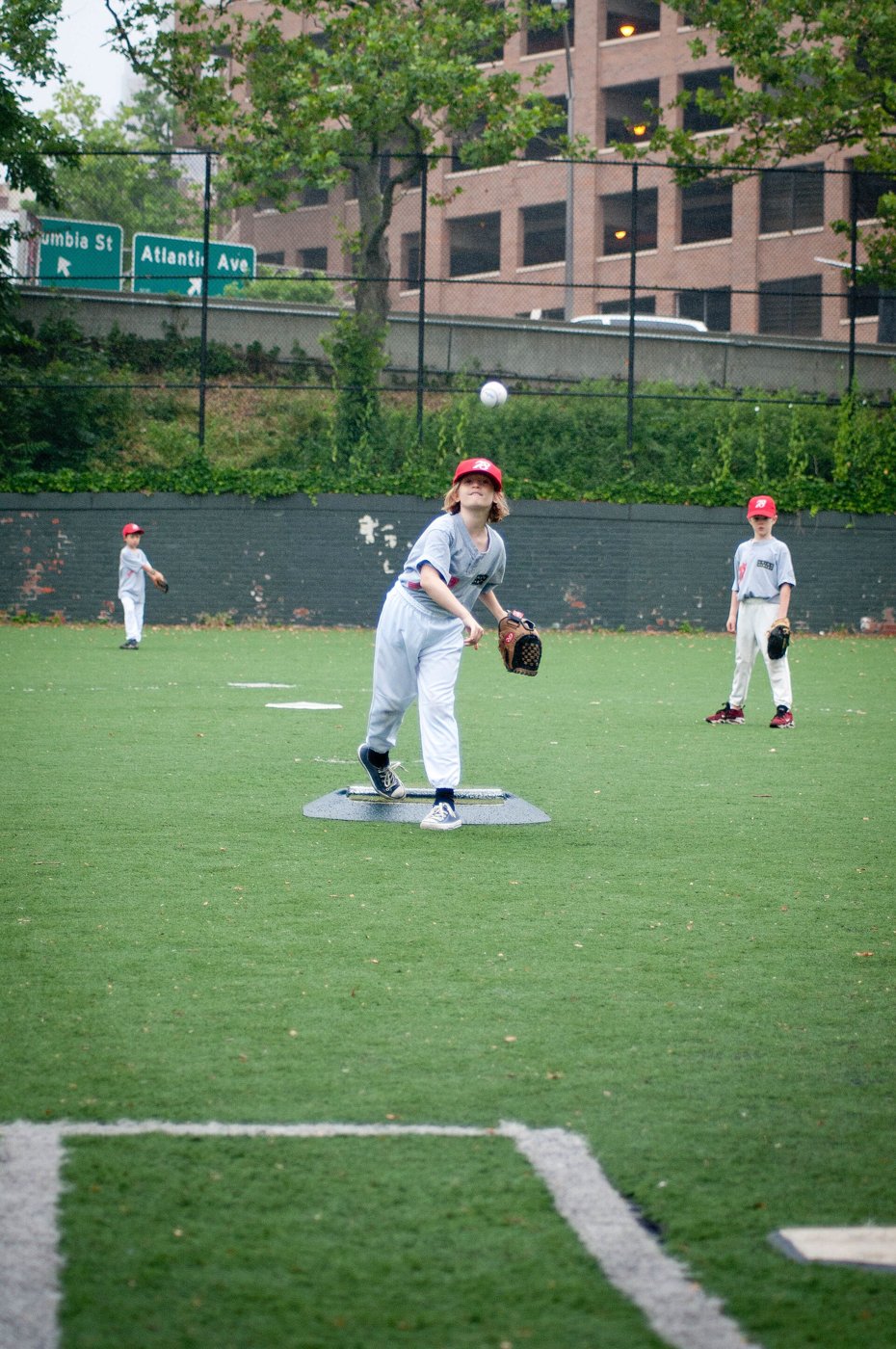
How to survive it: Keep your own count in your phone notes for your kid. Know the age-based pitch and rest guidelines from MLB and USA Baseball’s Pitch Smart. A kid who says “it hurts” gets rest, not a pep talk. Any coach who rolls their eyes at that is telling you something important.
6. Weather limbo
“We’re in a delay. Check back at 2.” At 2: “Check back at 3:30.” At 3:30 the sky is blue, the fields are soaked, and the bracket has quietly become a single-elimination survival show. Lightning delays are part of the deal — many complexes restart the clock every time they see a new strike.
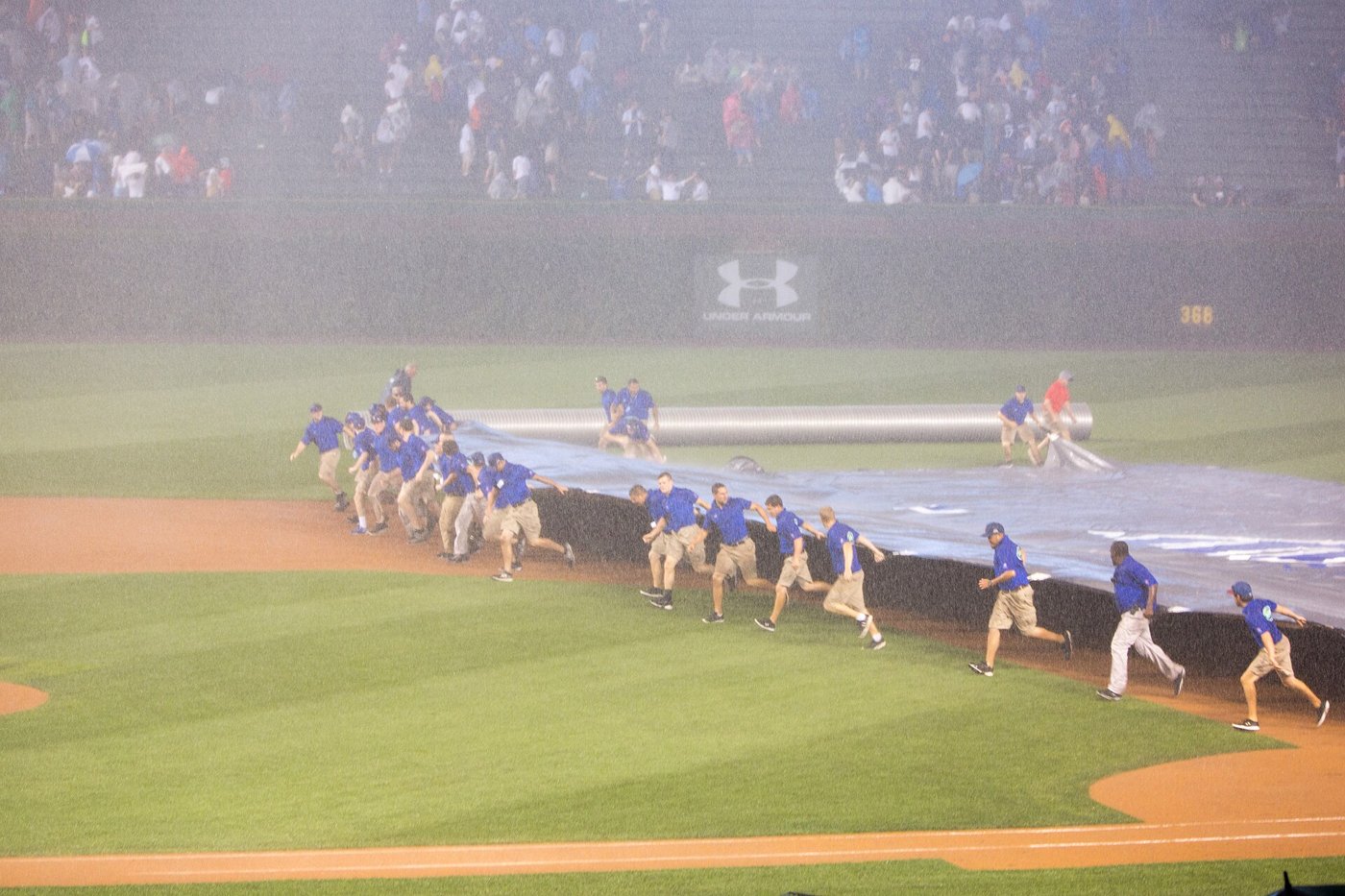
How to survive it: Snacks, phone chargers, a deck of cards, and zero plans for Sunday until the tournament director confirms the schedule. Get out of the bleachers and into the car when there’s lightning — the game will wait.
7. The lineup card
The scariest piece of paper in youth baseball is taped to the dugout fence. Your kid looks for their name, then looks for the number next to it, then looks at you.
How to survive it: One bad weekend isn’t a pattern. A season of the same thing, with no explanation, might be. Have the playing-time conversation privately and early — and if the answers never match what was promised, here are the select baseball coach red flags parents shouldn’t ignore.
8. The credit card statement in November
Tournament fees. Hotel nights. Gas. Lessons. The “one more” bat. The team bag. The concession stand nachos you bought at game four because you had given up. Opening that statement after fall ball is a jump scare all its own.
How to survive it: Track it as you go — a simple note on your phone works — so the total is a number you chose, not a surprise. Ask what’s included in team fees before you commit to spring.
9. The silent ride home
0-for-3. Error at short. Pulled in the fourth. The car is quiet except for the turn signal and your own urge to break down every at-bat on the drive.
How to survive it: Let them lead. “I love watching you play” covers more ground than any swing tip ever will. Save the coaching for a day when they bring it up first — and they usually will.
10. The bleachers
Not the metal ones that burn the backs of your legs. The voices. The parent coaching from section B. The “that’s a strike, blue!” from someone who’s never called a game. Every parent has a weekend where they become the scary one for about 11 minutes after a bad call at second. (We wrote down a few of those classic lines in our list of things baseball parents say that make no sense anywhere else.)
How to survive it: Cheer effort, not outcomes. Leave umpires, other people’s kids, and coaching to the people in the dugout. Your kid can hear you. So can theirs.
The scariest thing of all
It isn’t the bracket, the heat, or the bill. It’s looking up one spring and realizing your kid doesn’t love the game anymore — because the adults made it heavier than it needed to be.
So carve the pumpkins. Hand out the candy. And this fall, keep the main thing the main thing: a kid who wants to go back out there next weekend. That’s the only scoreboard that really matters.
For the full North Texas picture — classifications, costs, tryouts, and what actually matters — keep our select baseball guide for parents bookmarked.
Header collage image sources: huk_flickr (CC BY 2.0), Steviedpeele (public domain), Phil Roeder (CC BY 2.0), and Carly Lesser & Art Drauglis (CC BY-SA 2.0) via Wikimedia Commons.