Baseball Signing Day: What North Texas Parents Should Know at Every Age
Baseball signing day for the class of 2027 opened at 7 a.m. on Wednesday, November 11, 2026, for NCAA Division I and Division II recruits. What a senior signs now is a written offer of athletics aid from the school, not the old National Letter of Intent, which the NCAA ended in 2024. There is no national closing date; each school’s scholarship policy sets its own. If your player is 12, 14 or 16, signing day is not your problem yet, but what you do in the years before it decides whether he has options when it arrives.
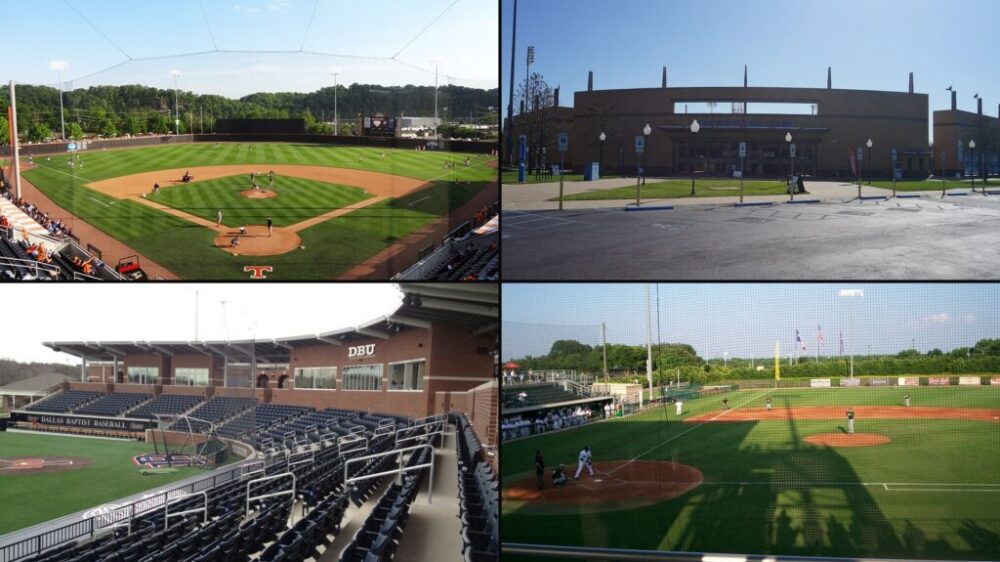
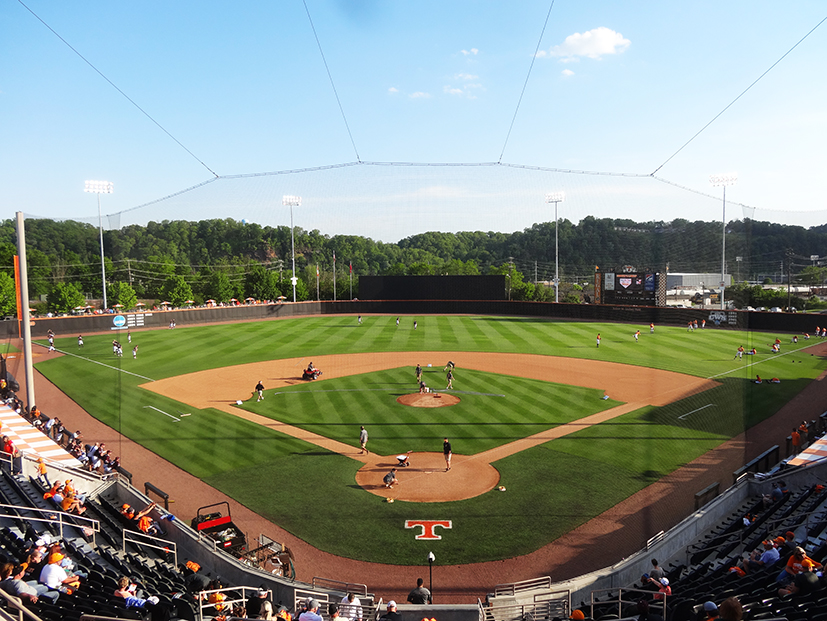
The national headline this week was Norco, California shortstop Dylan Seward, the No. 1 high school player in the country, signing with Tennessee as part of a class Baseball America ranked No. 3 (per Tennessee Athletics). Even Sports Illustrated pointed out he may never play there if he goes high in the MLB Draft. That is not the signing day most North Texas families will live. Here is the one that is.
What signing day actually looked like in DFW this week
We went through the baseball names on GM Sports Media’s fall 2026 Dallas-Fort Worth signing list. It is one outlet’s list built from what schools sent in, so it is a sample, not a census. Of the 19 baseball signings on it:
- Nine were junior colleges, including Amarillo College, Blinn, Howard College, Tyler JC, Odessa College, National Park College and Fort Scott.
- At least five were Division I, including Clemson, Virginia, Arkansas, UT Arlington and Tarleton State. (One more was listed only as “Washington,” which could be more than one school.)
- Three were Division III: Emory, Austin College and the University of the Ozarks.
- One was NAIA: Mid-America Christian.
The Fort Worth Star-Telegram’s list tells the same story at the school level. Keller High had six baseball signees: two to Frank Phillips College and one to Eastern Oklahoma State (junior colleges), one each to Colorado School of Mines and Southern Arkansas (Division II), and one to the University of Dallas (Division III). Not one Power 4 name, and every one of those kids gets to keep playing college baseball. That is what a good outcome usually looks like, and it is worth saying out loud to a 12-year-old who thinks the only finish line is an SEC hat.
What changed: the NLI is gone, and the paper is different at every level
If you remember “signing your NLI,” that program is over for Division I. As Flatground explains, the NCAA ended it in 2024 and moved the key protections into its own rules, built around the written aid agreement. Once a senior signs that offer, other Division I and II schools that give athletics aid generally have to stop recruiting him. A verbal commitment announced on social media is not the same thing; it binds nobody.
| Level | First day to sign (class of 2027) | What the player signs |
|---|---|---|
| NCAA Division I | Nov. 11, 2026, 7 a.m.; no national last day | Written offer of athletics aid (or a settlement benefits agreement at schools in the House settlement) |
| NCAA Division II | Nov. 11, 2026, 7 a.m.; no national last day | Written offer of athletics aid |
| NCAA Division III | Any time after admission | A nonbinding celebratory form (no athletics scholarships) |
| NAIA | No national date | The school’s own paperwork |
| Junior college (NJCAA) | Nov. 1, 2026 | NJCAA letter of intent, binding for one academic year |
Dates and paperwork above are from RosterFit’s 2026 signing day guide and Flatground, which summarize the NCAA rules. Two details matter more than the ceremony photo. First, at Division I schools that opted into the House settlement, baseball rosters are capped at 34, and a signed aid agreement does not by itself guarantee one of those spots. Second, the length of the aid is set by the school, so ask how many years it covers instead of assuming four.
What North Texas families should do at each age
Most of what decides signing day happens years before it. College coaches cannot sign a 13-year-old, and Division I coaches cannot even call or email a baseball prospect until August 1 before his junior year of high school, per NCAA Bylaw 13. Division II, Division III, NAIA and junior college coaches have looser rules, but most still wait until junior year. Here is a realistic order of operations.
12U and 13U: build a player, not a profile
No college is recruiting your 12U, no matter what a tournament flyer says. The jump to the big field at 13U (how each age changes) matters far more than a ranking. Spend on reps and a coach who teaches, not on “exposure” events. Keep grades up; they are the cheapest scholarship there is.
14U and freshman year: grades count now
Freshman grades go on the transcript college coaches and the NCAA Eligibility Center will see. Ask the high school counselor which classes count as NCAA core courses before the schedule is locked. On the field, the goal is to make a high school roster and keep developing; summer ball should fit around that.
Sophomore year: get honest about level
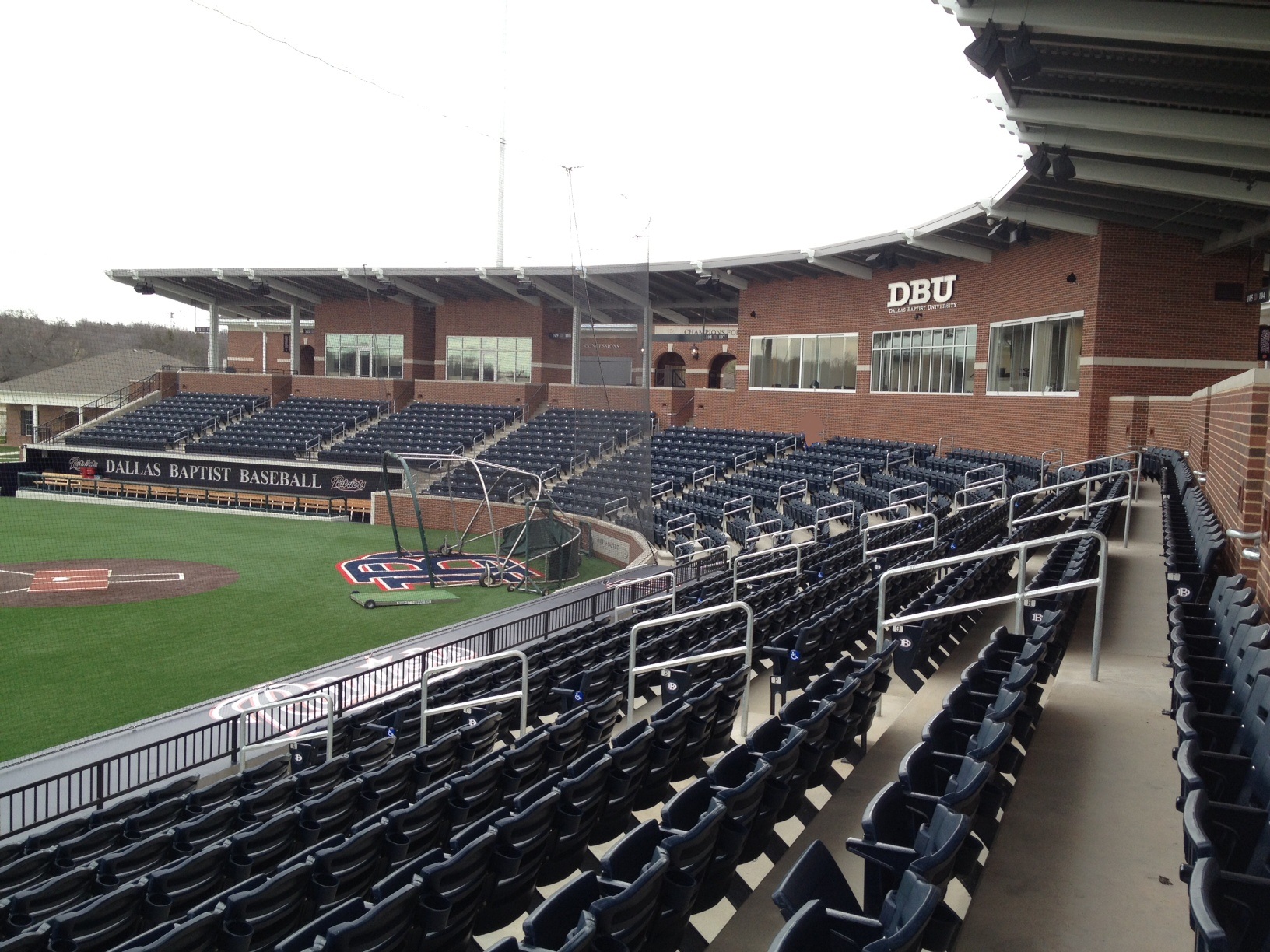
This is the year to get a straight read from his high school coach and a trusted instructor on where he projects: Division I, Division II, Division III, NAIA or junior college. Showcases can help once there is something to show, but pick them for who will be watching, not the logo. Our look at what Perfect Game’s events really offer families covers how to judge that. Start a simple list of 20 to 30 schools across levels, with North Texas options like UT Arlington, Dallas Baptist, Tarleton State and the Lone Star Conference schools on it.
Junior year: the real recruiting window
On August 1 before junior year, Division I coaches can start calling, texting and emailing. Have him send short, current video and a schedule to the coaches on his list, and answer them himself. Visits, camps on campus and offers mostly happen in this window, and the NCAA calendar has dead periods when coaches cannot meet in person, so check the current calendar before booking a trip.
Senior year: read the paper before the photo
An offer can come in writing before signing day, but nothing is signed until the November date for his level. Before the pen comes out, ask the coach these questions and get the answers in writing where you can:
- How many years does this aid cover, and what happens at renewal?
- Is he expected to be on the 34-man roster, or is that decided in the fall?
- What happens if the head coach leaves before he enrolls?
- If he is drafted, what does the school expect, and when?
- What does the total cost of attendance look like after aid?
If no offer has come by late November, it is not over. Division II, Division III, NAIA and junior college programs keep recruiting through the spring, and roster spots open in the summer when other players change plans.
What select ball can and can’t do for signing day
A select team can give a player good coaching, real competition and a coach who will make an honest phone call for him. It cannot sign him anywhere, and a jersey with a big logo does not show up on a recruiting board. If a team sells “college exposure” to 12U parents, ask what that means in names and numbers. Our Ultimate Guide to Select Baseball in North Texas covers how to judge a program, and Is Select Baseball Worth It? walks through the money side.
Keep the odds in view, too. Most high school players do not play college baseball at any level, and very few reach the majors; our breakdown of the real numbers lays out the data. That is not a reason to quit. It is a reason to value a junior college or Division III signing as the win it is.
Bottom line
Baseball signing day is a November date for seniors, not a goal to chase at 12U. Under current NCAA rules, Division I and II recruits sign a written aid agreement with no national deadline, Division III signings are celebratory, and junior colleges sign earlier in November. The families who get good choices on that day are the ones who protected grades in ninth grade, got an honest read on level by sophomore year, and widened the school list instead of chasing one logo.