Youth Baseball Helmets & Face Guards: What the NOCSAE Stamp Means
A youth baseball helmet is safe for play when it carries a readable NOCSAE stamp, fits so it does not rock or slide, and has a shell and padding that are not cracked, deformed, or deteriorated. Price, brand, and gloss finish do not create a higher certification tier. The current batter’s-helmet performance standard is NOCSAE ND022-21m24, and certification is handled by a third party (SEI), not by NOCSAE itself.
Below: how to read the stamp, a driveway fit check, when a face guard or cage is worth it, when to retire a helmet, and five honest Amazon picks. Disclosure: NTX Select Baseball earns a small commission on qualifying Amazon purchases, at no extra cost to you.
What the NOCSAE stamp actually means
NOCSAE writes the test standard. It does not “approve” or sell helmets. Per NOCSAE’s third-party certification page, SEI (Safety Equipment Institute) oversees certification to those standards through manufacturer audits, production testing, and independent lab checks on random samples.
On a new batter’s helmet built to ND022, look for permanent, legible markings that include the manufacturer, model, and size, plus the exterior warning that says not to use the helmet if the shell is cracked or deformed or the interior padding is deteriorated. That warning language is required in the standard. If the stamp is worn off, painted over, covered in tape, or missing, treat the helmet as out of play until you know it is still certified.
Two standards matter for face protection: ND022 for the helmet itself, and a separate face-protector standard (ND072) for helmet-mounted face guards. NOCSAE’s own statement is clear: a face guard must be SEI certified to each helmet model it is used with. Mixing a cage or C-flap onto a helmet it was not certified with can void the helmet’s certification.
Driveway fit check (do this before you keep the box)
Sizing charts on Amazon are a start. The driveway test tells you if it will stay put when he sprints to first.
- Measure hat size. Wrap a soft tape just above the eyebrows and ears. Match that number to the maker’s size range (junior vs. senior, or the listed inches), not to the age on the box.
- Two-finger rule of thumb. With the helmet on and the chin strap fastened the way the instructions show, you should not be able to shove two fingers easily between the brow pad and his forehead. If you can, it is too loose.
- Shake test. Have him nod hard, look left and right, and jog in place. The helmet should not rotate, bounce up, or slide down over his eyes.
- Ear and temple coverage. Youth leagues and USSSA-style play expect a double ear-flap batter’s helmet for offense. Both ears should sit fully inside the flaps.
- Vision. He needs a clear sightline to a pitch. If the brim or padding blocks the ball, try another size or model before you force this one.
A helmet that fits beats a more expensive one that slides. For the rest of the bag, our North Texas select baseball gear guide and travel baseball bag guide cover how the helmet should ride with bats and gloves without getting crushed.
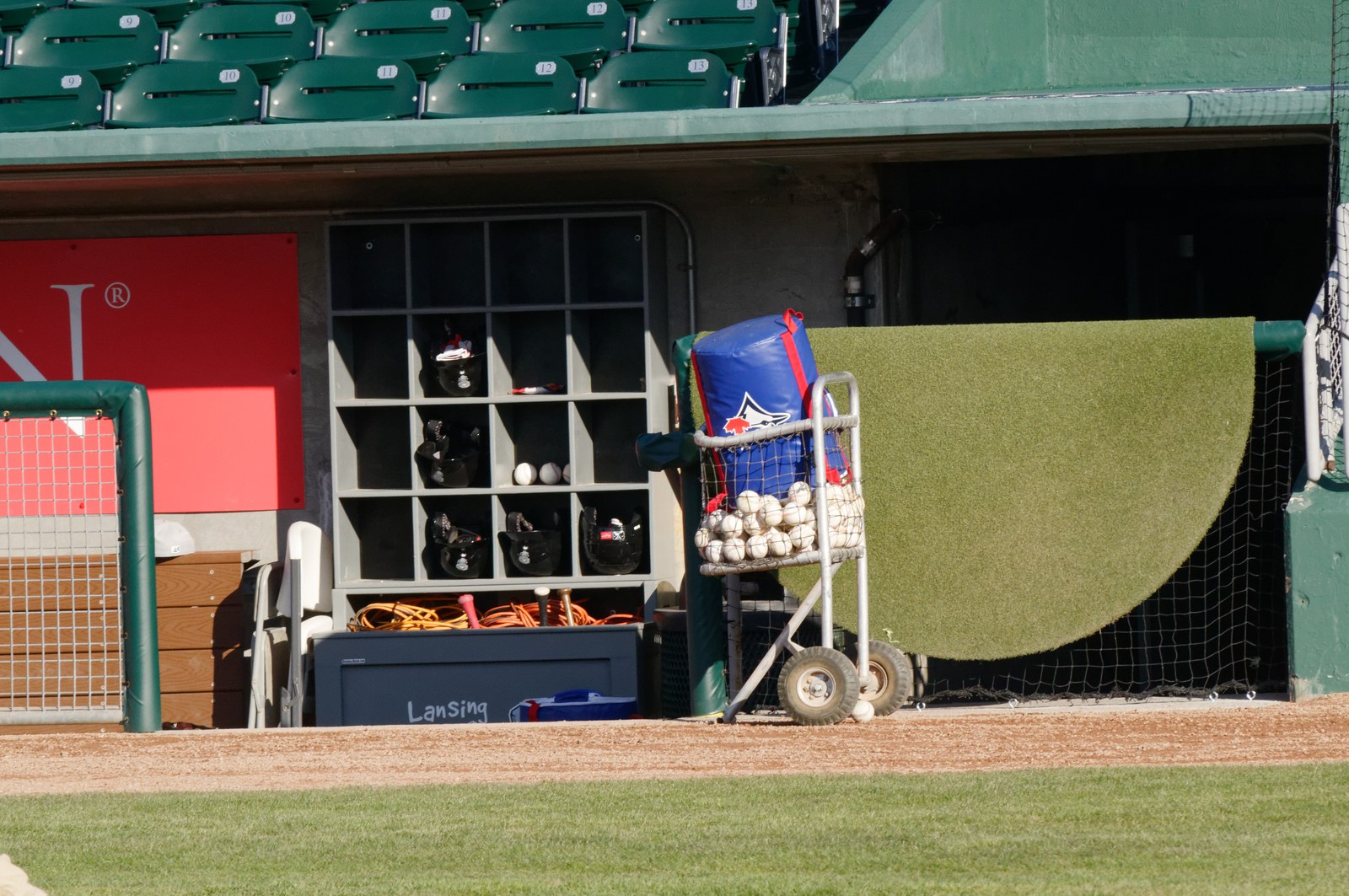
Face guards and cages: when they are worth it
A full wire cage or a jaw extension (C-flap / EXT) is a parent decision plus a league rule, not a fashion choice. Younger kids, kids who have been hit near the face, and kids who simply settle better with a cage often gain confidence. Older select hitters sometimes prefer an open helmet for vision and heat — especially in North Texas summers — and add a reversible jaw piece instead.
Little League’s attachment rules are the clearest public example most North Texas families will run into: batters need a NOCSAE-stamped helmet, and any add-on (C-flap and similar) is only allowed if the helmet manufacturer provides a notice that attaching it does not void the NOCSAE certification. That notice must be shown to the umpire before the game. Drilling new holes, removing padding, or otherwise altering the shell can void certification.
USSSA’s national playing rules require a double ear-flap batting helmet for offensive players and leave special protective gear largely to the player’s choice. Your local tournament or association can still set a tighter face-guard policy, so check the event rules PDF before Opening Day.
Practical rule: buy a face guard that is listed for that exact helmet model, use the existing mount points and hardware, keep every screw tight, and keep the manufacturer’s notice in the bag if your league asks for it.
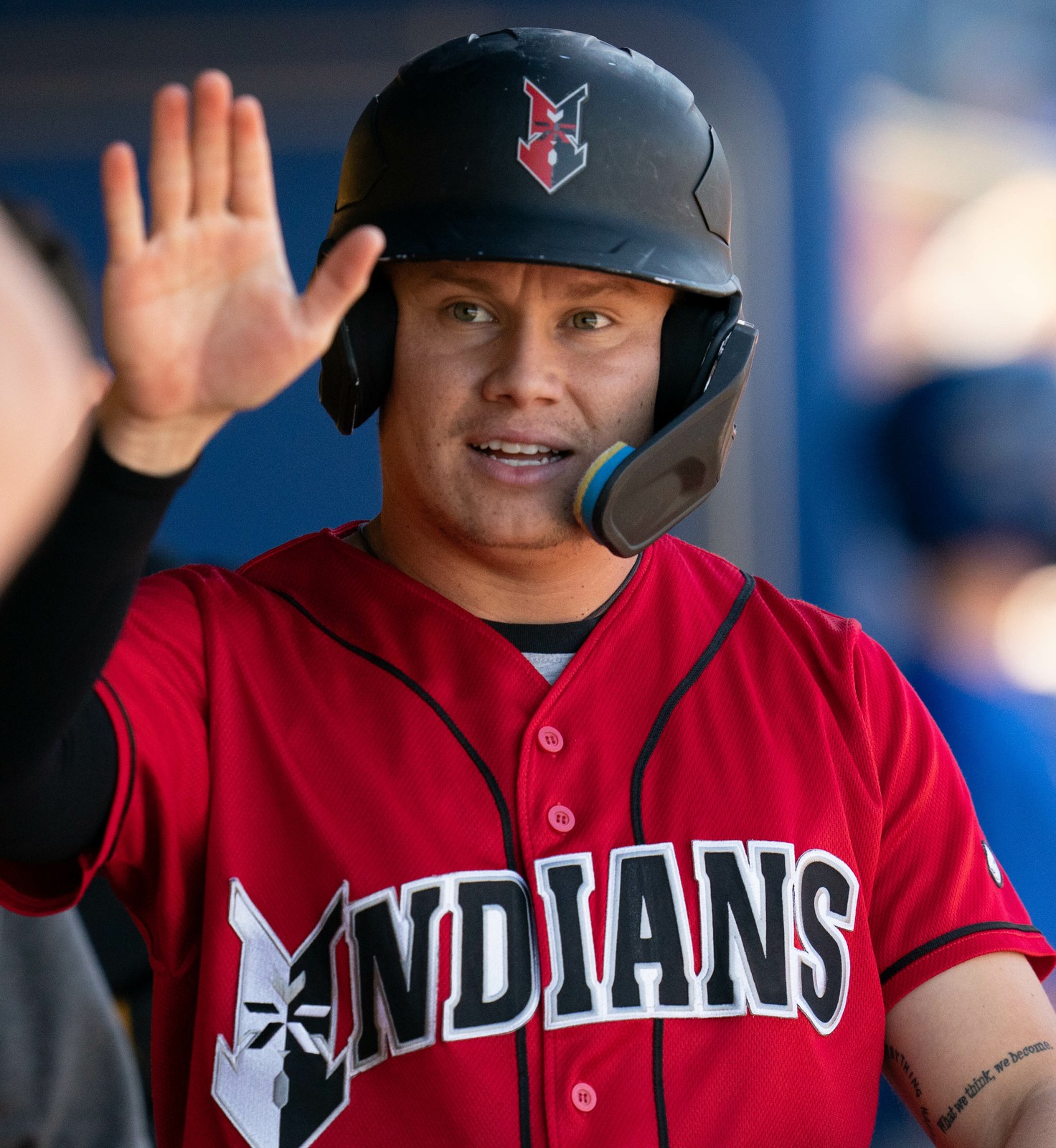
When to retire a youth baseball helmet
Little League’s equipment-inspection guidance matches the warning on the shell: remove a helmet that has cracks or other visible damage, missing or frayed interior padding, paint or tape that was not applied by the manufacturer, or a missing NOCSAE symbol. Do not try to “fix” a cracked shell with stickers.
NOCSAE also publishes recertification guidance for programs that send helmets to licensed reconditioners. Recertification intervals are set by the manufacturer and run on calendar time, not just on how many innings the helmet saw. For a single family helmet that is cracked, outgrown, or missing its stamp, replacement is usually simpler and safer than hunting a reconditioner.
Hand-me-downs: a sibling’s undamaged, still-stamped helmet that fits the next kid can be fine. A garage-sale helmet with a mystery history, a bent cage, flattened pads, or no readable label is not a bargain.
Five youth baseball helmet and face-guard picks
We checked these Amazon listings on November 4, 2026. Prices move by size and color. Confirm the NOCSAE mark on the helmet you receive, and match any face guard to the exact model.
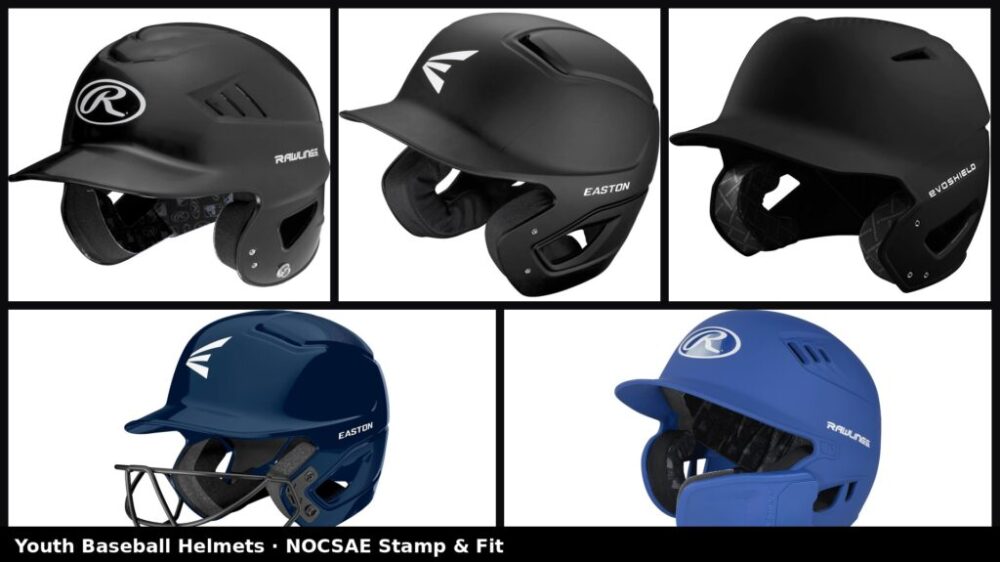
1. Rawlings Coolflo Youth: the certified budget lane
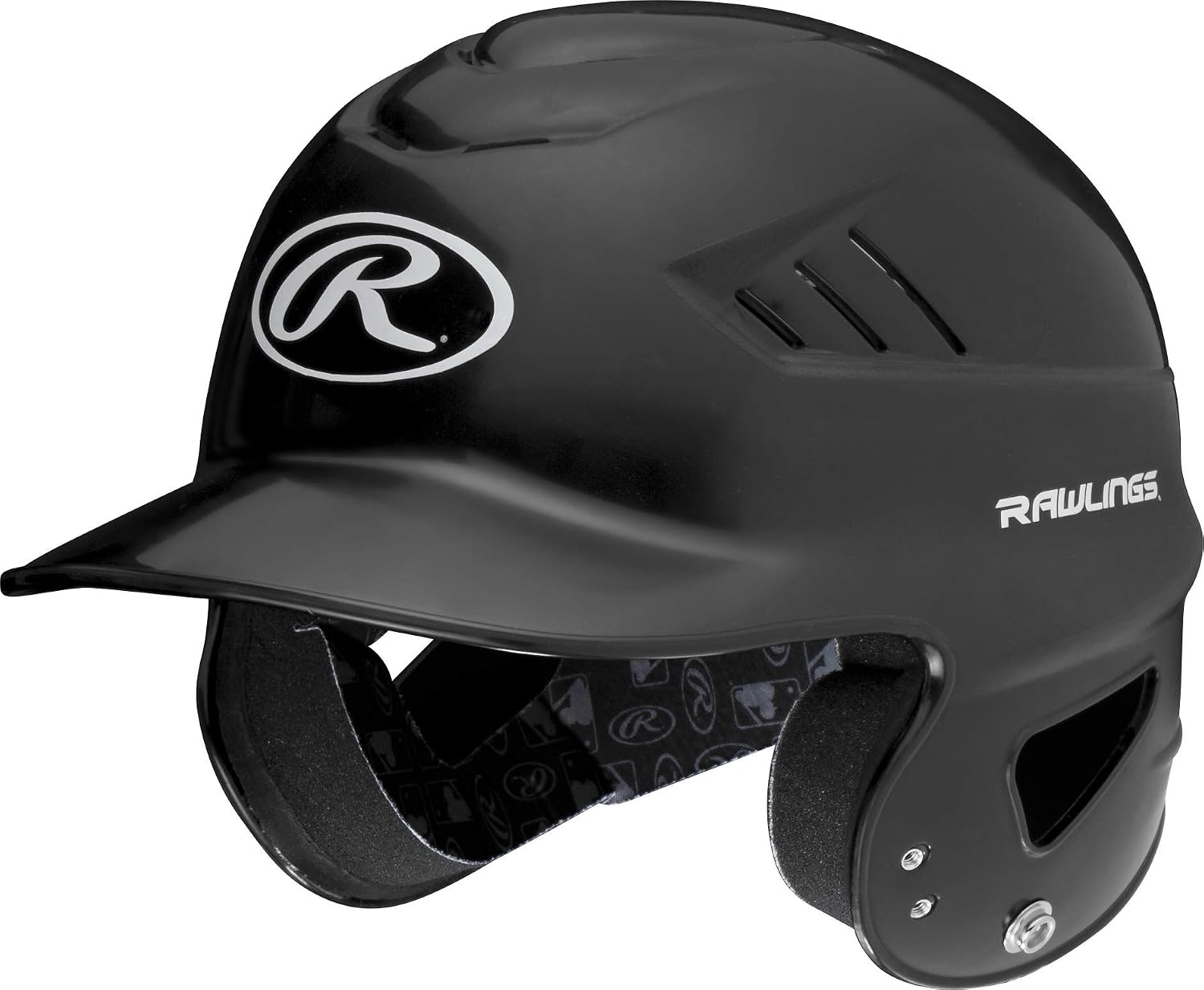
A straightforward youth Coolflo batting helmet in the roughly $30 lane. Listings present it as NOCSAE-standard youth gear with venting that matters on North Texas turf in May. Start here if you need a stamped helmet that fits now and you are not chasing a pro paint job.
- Best for: Rec-to-select first helmets, team spare helmets, and parents who want certification without the upsell
- Watch-outs: One-size-fits-most ranges still need the driveway shake test; confirm the exact size/color before checkout
- Budget lane: About $30–$35
2. Easton Alpha Matte: everyday select helmet
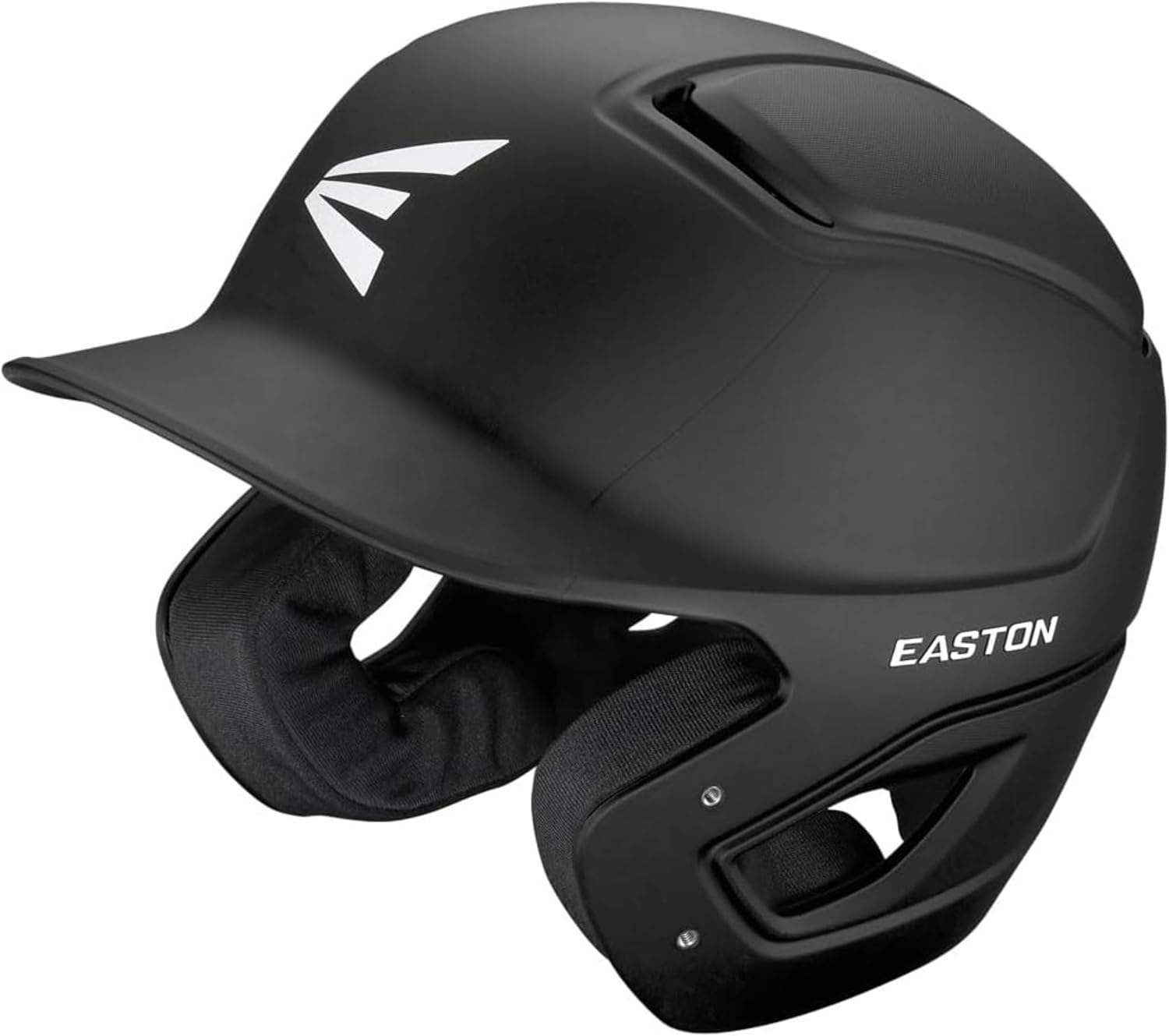
The Alpha is a common dugout helmet for a reason: multiple sizes (including broader junior-to-senior ranges on related Alpha listings), a low-profile look, and a matte finish that hides scuffs from bat bags. Treat it as a fit-first pick, not a status upgrade over Coolflo.
- Best for: 9U–13U hitters who want a sized Alpha shell that matches team colors
- Watch-outs: Matte colors and sizes vary a lot by ASIN — double-check junior vs. senior before you buy
- Budget lane: About $30–$40
3. EvoShield XVT: step-up fit and look
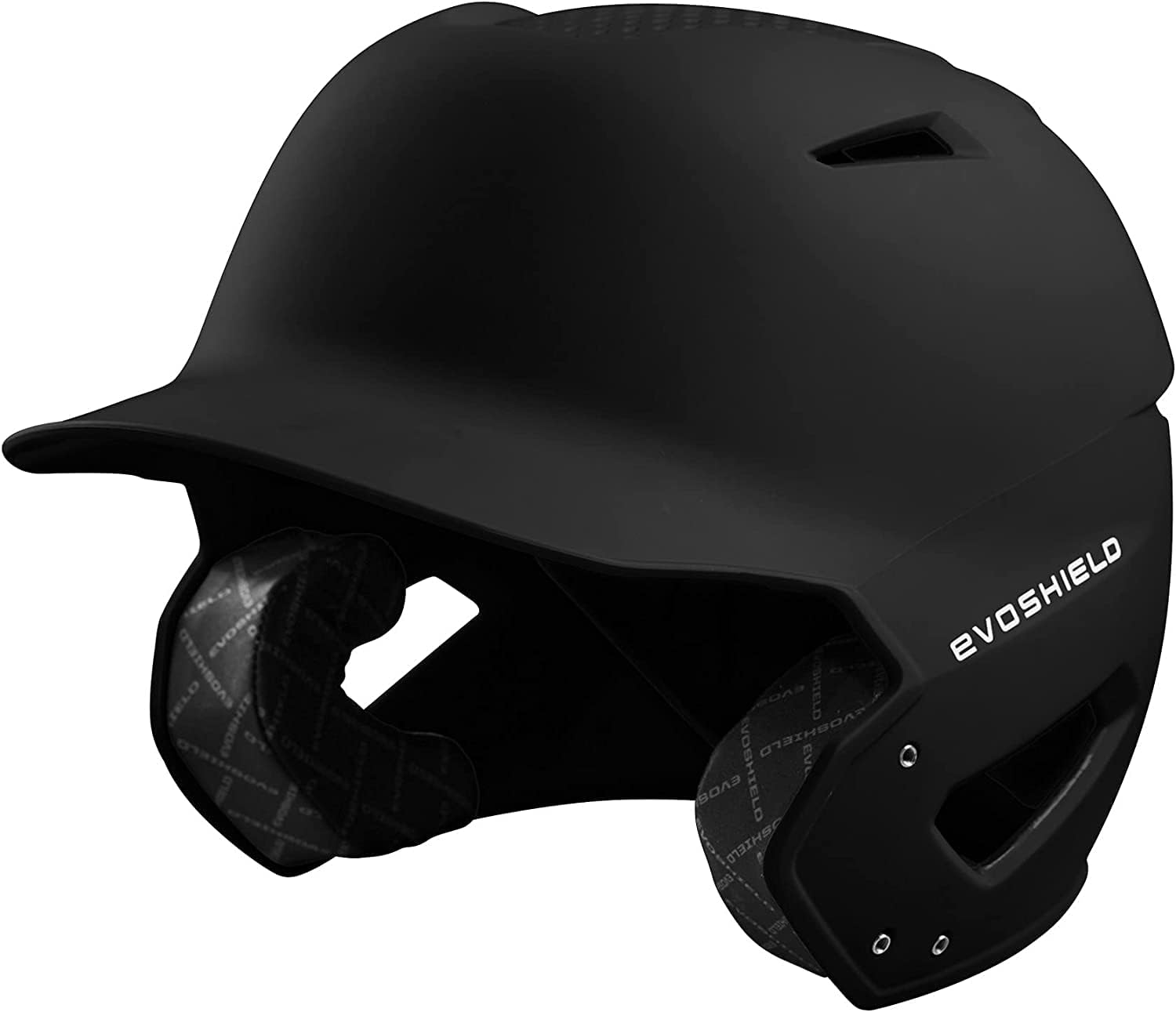
The XVT sits in the mid-price lane with a lower profile shell and denser padding feel that some kids prefer once they have outgrown a first helmet. You are paying for fit and finish more than a different certification stamp.
- Best for: Select players who already know their hat size and want a longer-wearing everyday helmet
- Watch-outs: Street price swings; we saw list/strike prices that do not always match the cart — check the live price
- Budget lane: About $45–$60 on typical sale pricing
4. Easton Alpha 3.0 with Face Guard: cage already attached
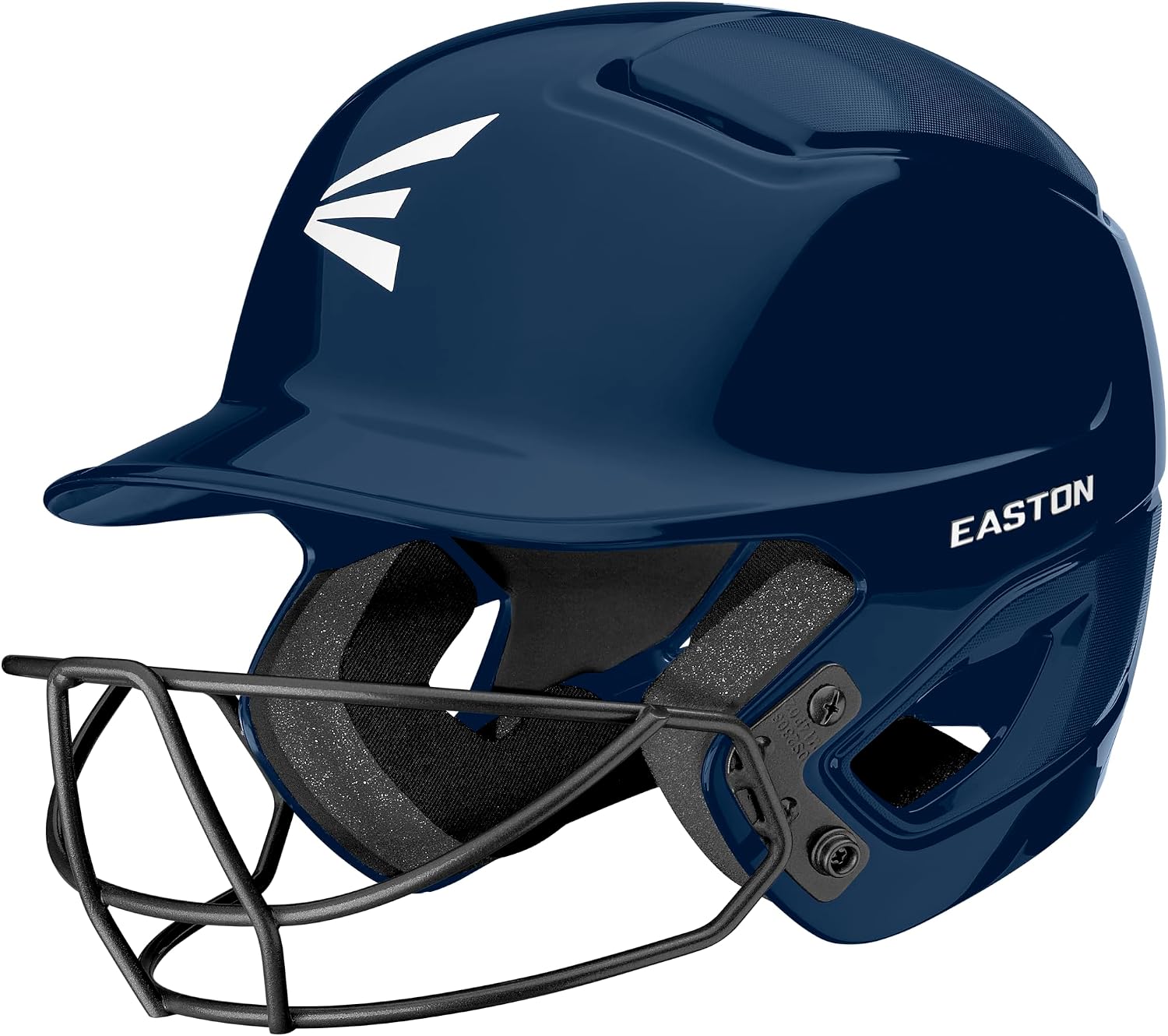
If you want a helmet and wire face guard as one package — common for younger hitters or kids who have been hit near the face — this Alpha 3.0 listing includes the cage. Confirm the listing still shows baseball (not softball-only) and that the guard arrives with all screws.
- Best for: Younger select/rec hitters and parents who want the cage without hunting a matching add-on
- Watch-outs: A full cage adds heat and can bother some kids’ vision; try it in the driveway before Opening Day
- Budget lane: About $50–$60
5. Rawlings R16 Velo Reversible EXT: jaw protection without a full cage
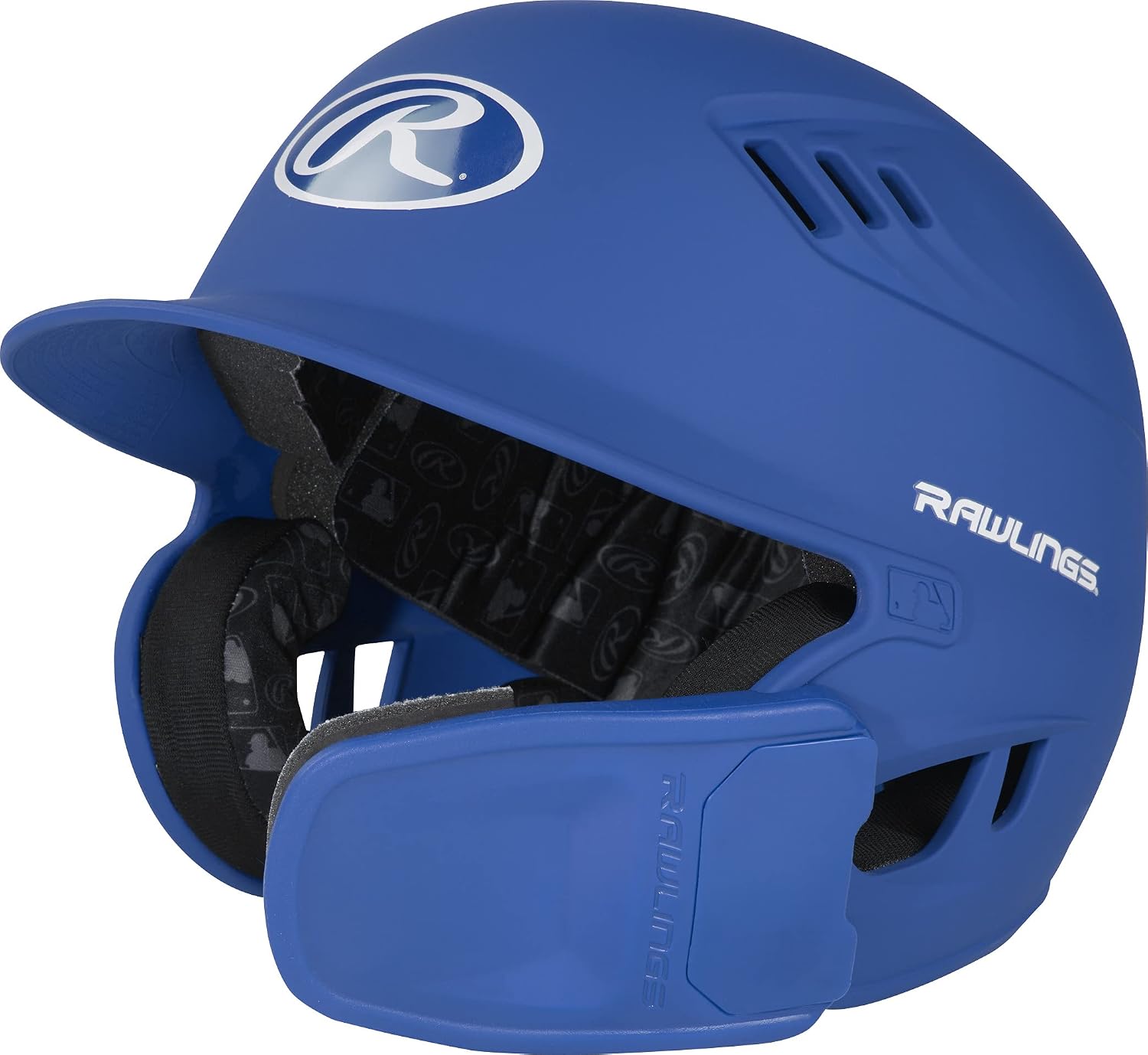
The R16 Velo Reverse EXT includes a reversible extension piece so right- and left-handed hitters can flip jaw coverage to the pitcher side. Rawlings lists junior sizes around 6 3/8–7 1/8 and markets it as NOCSAE certified. This is the C-flap-style lane without drilling a generic flap onto a random shell.
- Best for: Select kids who want jaw coverage and open vision more than a full wire cage
- Watch-outs: If your league is Little League or uses LL-style attachment rules, keep the manufacturer notice for the EXT/flap in the bag
- Budget lane: About $55–$65
What not to overbuy
A $120 helmet that meets the same ND022 / SEI certification path is not a higher “safety class” than a certified $35 helmet that fits. Spend the difference on a helmet that passes the shake test, on a face guard matched to the model if you want one, and on replacing a helmet the moment the shell or pads fail. Custom chrome and pro-player paint jobs are optional.
For catcher’s helmets (a different NOCSAE standard), see our youth catcher’s gear guide. For bats that share the bag with the helmet, use the NTX bat buying guide, and for early-spring tournaments grab layers from the cold-weather baseball gear guide.
Youth baseball helmet FAQ
Does a more expensive youth baseball helmet protect better? Certification to ND022 is a pass/fail performance standard overseen through SEI. Price usually buys fit options, venting, finish, and features — not a separate, higher NOCSAE tier. We are not claiming every cheap helmet is identical in every impact; we are saying the stamp is the shared minimum, and fit plus condition matter as much as the receipt.
Can I add a C-flap or cage myself? Only with a guard certified for that helmet model, using the intended hardware. Little League requires the manufacturer’s notice that the add-on does not void certification. Do not drill new holes.
How often should I replace a helmet? Immediately if cracked, deformed, missing pads, or missing a readable stamp. Otherwise, replace when it no longer fits, when the manufacturer’s recertification window (if any) has expired and you are not recertifying, or when padding is packed out.
Bottom line
Buy a stamped youth baseball helmet that fits today, keep the warning label readable, match any face guard to the model, and retire damage without nostalgia. That is the whole job — not chasing the shiniest shell in the catalog.