Youth Wood Baseball Bats: Winter Cage Work and the 14U Jump
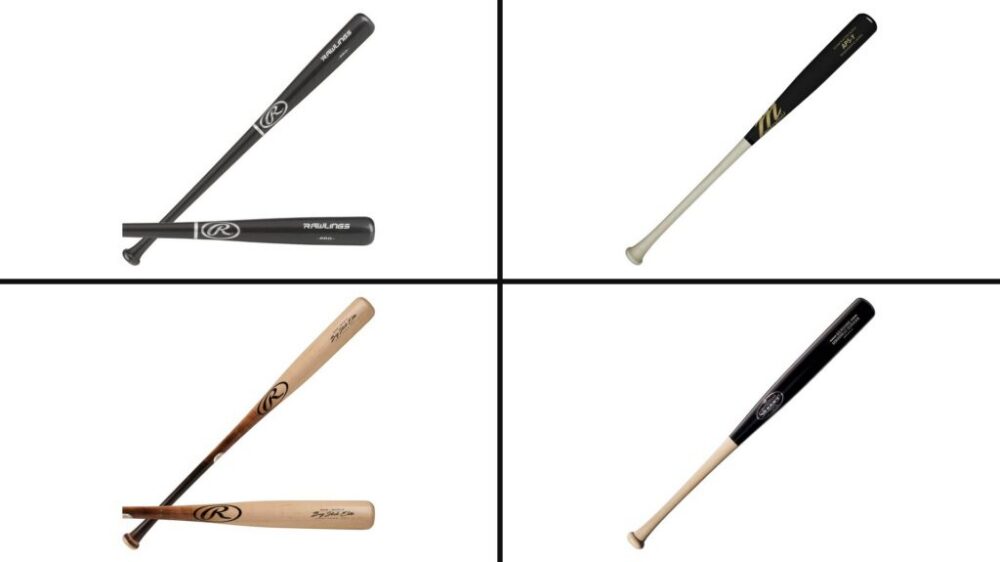
The right youth wood baseball bat for winter cage work is a one-piece ash, maple or birch bat from a USSSA-licensed maker, sized about an inch shorter than your player’s game bat to start. Wood is heavier for its length: youth wood bats are usually listed somewhere from -8 to -3, while many 9U–12U players swing a -10 or -11 USSSA bat, so the same length can mean three or more extra ounces. Use a bamboo or bargain wood bat for machine cages, because the big makers’ wood-bat warranties don’t cover commercial batting cage use. And if your player moves up to 14U in 2027, wood is the one bat that is legal under every version of USSSA’s 14U rule.
Below: a sizing table that starts from the bat your kid swings now, what Marucci, Old Hickory and the rulebooks actually say about ash, maple, birch and bamboo, how to keep a good bat alive through a winter of cage rounds, and five wood bats worth buying (each with a reason). For the rest of the equipment list, start with our North Texas select baseball gear guide.
As an Amazon Associate, NTX Select Baseball earns from qualifying purchases. Prices and stock change; check the listing before you buy.
Why swing wood in December and January
Wood won’t fix a swing on its own, but it gives honest feedback. Marucci’s wood bat guide puts it simply: a wood bat’s sweet spot is much smaller than an aluminum bat’s, so hitters have to be more precise, and wood bats are usually heavier, which builds hand, wrist and forearm strength. A ball off the end or the handle stings and dies. A ball on the barrel jumps. That’s the whole lesson, and winter cage work is the cheapest time to learn it because nobody’s keeping score.
The catch is that a heavier, less forgiving bat can also teach bad habits if it’s too big: a long, slow swing, a dropped back shoulder, or a kid who quits on the drill after 20 swings. That’s why the size matters more than the brand.
Size the wood bat against the bat your kid swings now
Drop is length minus weight, so the math is easy. Our 2027 USSSA bats guide covers sizing a game bat by age (Louisville Slugger’s sizing guide lists 28″–29″ as the most popular length at age 10, 30″–31″ at 11–12 and 31″–32″ at 13–14). Wood comes in heavier drops. Marucci lists its youth wood weights from -6 to -3 in its wood bat options rundown, Old Hickory sells a Drop 5 series for players moving from aluminum to wood, and the Rawlings youth ash bat below is listed at -7. Here’s what that does to the weight in your player’s hands:
| If your player swings this now | Same length in wood | A good winter starting point |
|---|---|---|
| 28″ -11 USSSA (17 oz) | 28″ -7 (about 21 oz) | 27″ -7 (about 20 oz) |
| 30″ -10 USSSA (20 oz) | 30″ -7 (about 23 oz) | 29″ -7 (about 22 oz) |
| 31″ -8 USSSA, the 13U max (23 oz) | 31″ -5 (about 26 oz) | 30″ -5, or 31″ -5 for a strong hitter |
| 32″ -3 BBCOR (29 oz) | 32″ -3 (about 29 oz) | The same 31″–32″ length in -3 wood |
Start an inch shorter, then move to game-bat length once your player can take a full round without the swing getting longer and slower at the end. Two other things to know. Wood drops are approximate, because every billet weighs a little differently, so put the bat on a kitchen scale if the exact weight matters to you. And balance matters as much as ounces: an end-loaded maple bat swings heavier than a balanced one at the same weight. Most younger hitters are better off with a balanced bat.
Ash, maple, birch or bamboo: what the makers say
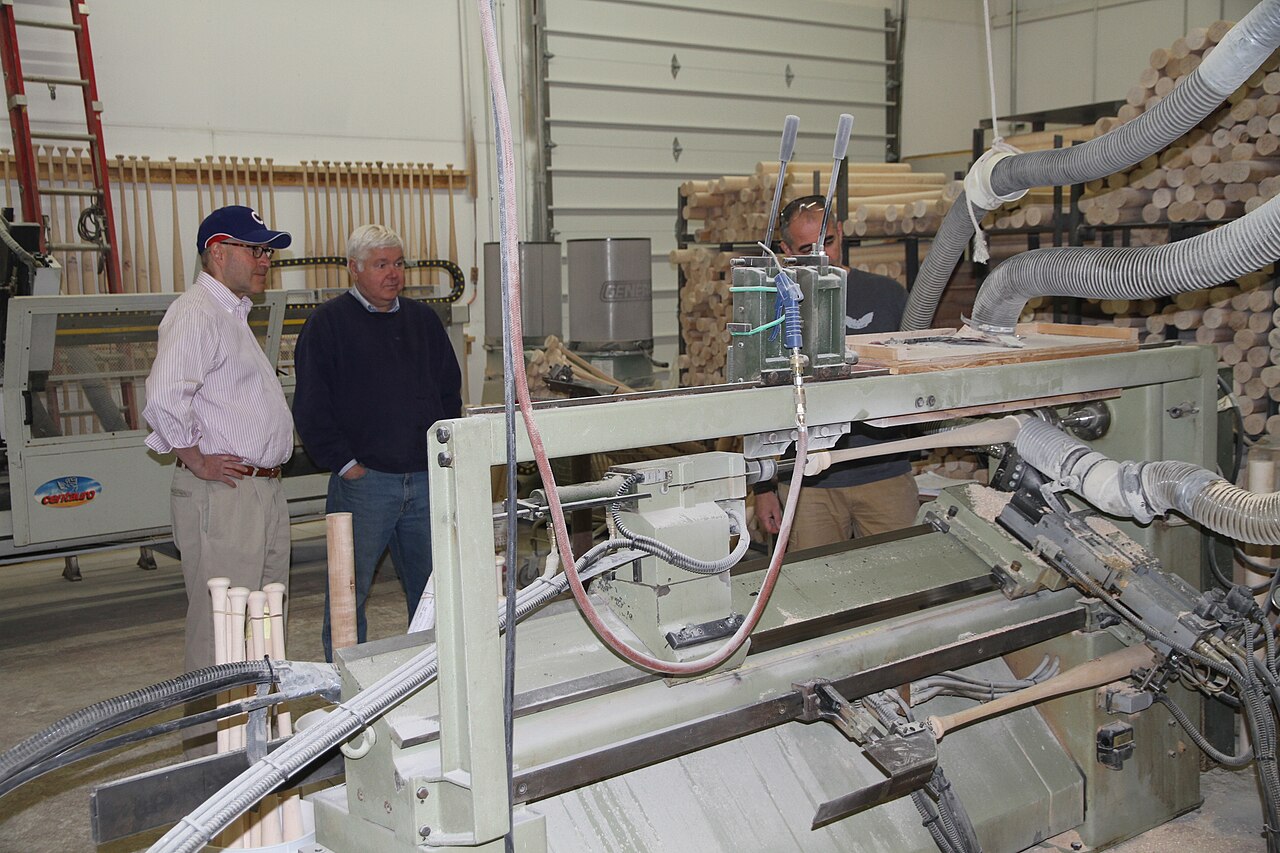
Most youth wood bats come in three species, plus bamboo and composite-wood bats built for durability. Here’s the short version, drawn from Marucci’s ash or maple explainer and Old Hickory’s wood bat FAQ:
| Wood | How it feels | Watch-out | Winter fit |
|---|---|---|---|
| Maple | Dense, hard surface; Marucci says it resists flaking with long-term use | Smaller sweet spot, so mishits sting more | Hitters who already make steady contact |
| Ash | Lighter, with a wider grain that flexes on contact | Marucci notes heavy use can lead to chipping or flaking | A lighter first wood bat |
| Birch | More flex and a forgiving feel; Old Hickory calls it a good option for players moving from aluminum | Needs a short break-in period while the surface hardens | A forgiving middle ground |
| Bamboo / composite wood | Made of several pieces bonded together and sold on durability | Multi-piece bats need certification marks for many leagues (see the 14U section) | High-volume cage rounds |
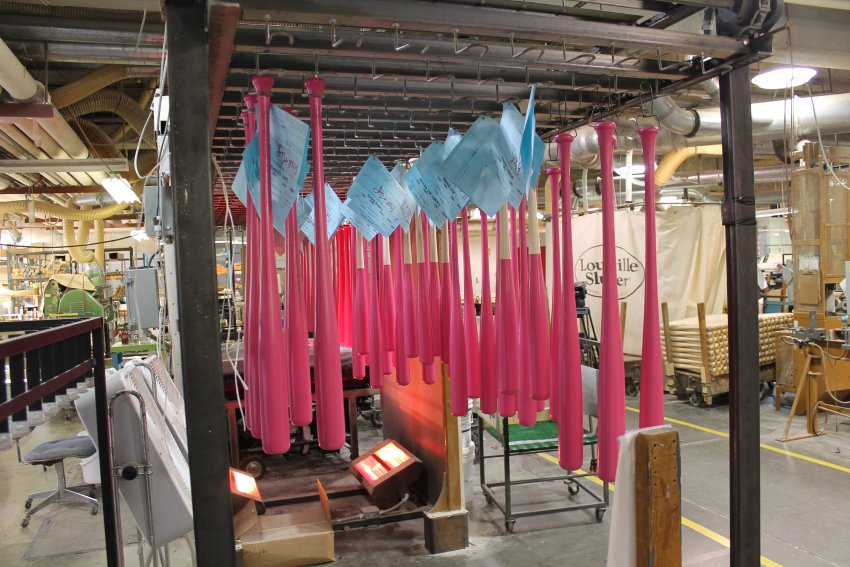
Two labels are worth knowing when you shop. “Ink dot” means the maker tested the bat’s slope of grain, a test Old Hickory describes as an MLB-mandated standard for maple and birch, because straighter grain means a stronger bat. “Bone rubbed” means the barrel was rubbed down with a bone to compress the surface grain. Both are good signs on a maple bat. Neither changes how long the bat is or how much it weighs, so get the size right first.
Cage work: protect the bat (and the warranty)
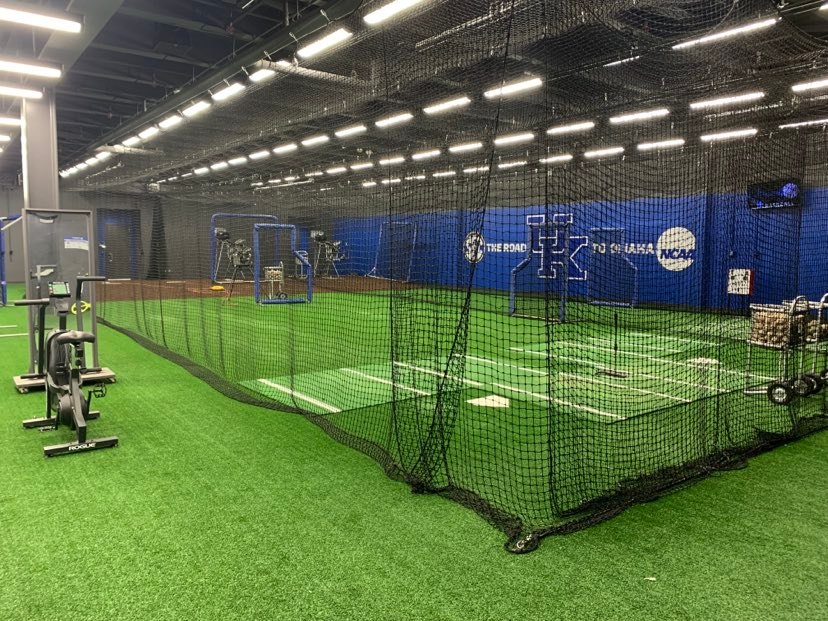
This is the part most parents learn after a bat breaks. Read the fine print before your player takes a new maple bat into a rented cage:
- Commercial cages are excluded. Marucci (a one-time 30-day warranty on Pro Model and Custom Pro wood bats) and Victus (a one-time 61-day warranty on Pro Reserve models) both exclude bats used in commercial batting cages. Louisville Slugger’s Prime wood bat warranty lists both youth models and use in commercial batting cages among the things it doesn’t cover.
- Leather baseballs only. Marucci and Victus both say their bats are meant for leather-covered baseballs and that weighted or non-traditional balls can damage bats and void the warranty. Pitching-machine balls are often dimpled or synthetic, so ask what a cage uses before your player swings a warrantied bat there.
- One hitter per bat. Both makers also note that bats used by multiple players wear out faster. Don’t let the good bat become the team’s cage bat.
- Mind the label. Marucci recommends placing its label on the shoulder, or facing out from the shoulder, before swinging, so the strongest grain meets the ball. Other makers may say it differently, so check the instructions that come with the bat.
- Keep it dry. Marucci also says to keep wood out of moisture and extreme heat for long periods, since soaked-up moisture changes the weight and weakens the grain. A garage shelf beats a wet bat bag.
The practical setup for a winter of hitting: save the good maple or birch bat for tee work and front toss with real baseballs, and bring a bamboo or inexpensive wood bat for machine rounds at a rented cage. If your player’s club runs its own winter cage sessions, ask what balls the machines use before you hand over a new bat.
The 14U jump: why wood is the safe bet
If your player turns 14U for 2027, the bat rules get confusing, and wood is the easy way through them. Here’s what the current rulebooks say:
- USSSA. The national by-laws (August 1, 2026 edition) allow bats “made of wood and manufactured by a licensed USSSA manufacturer” in every age group from 14U down (Rule 7.01.C). Rule 7.01.C.2 says all 14U players must use a -3 (BBCOR) or wood bat unless the event’s state has adopted a -5 exception. But Rule 7.01.D in the same PDF still says 14U events use a max -5, and USSSA’s rules page also lists a -5 limit for 14U while noting some under-15U events are BBCOR only. Until USSSA cleans that up, a -5 may or may not be allowed depending on the event. A wood bat from a licensed maker is legal under every one of those readings.
- “Licensed maker” matters. USSSA’s licensed bat list (last updated Nov. 23, 2025) includes Axe, DeMarini, Easton, Louisville Slugger, Marucci, Mizuno, Rawlings, Victus and Warstic, among others. Its not-licensed list (April 27, 2026) names 44Pro, Anderson Bat Company, Homerun Legends and Stinger. Old Hickory and BamBooBat’s maker don’t appear on the licensed list, and neither do many no-name wood bats on Amazon, so treat those as practice bats for USSSA games unless the tournament director tells you otherwise.
- Little League and other USA Baseball leagues. Little League’s bat rules say solid one-piece wood bats don’t need the USA Baseball logo. USA Baseball says multi-piece and composite wood bats do, and Little League’s bat standard FAQ lists laminated, bonded and bamboo bats in that group.
- High school. Under the NFHS bat rule (Rule 1-3), a one-piece wood bat can be up to 2¾” in diameter and 36″ long. The -3 drop limit and the BBCOR .50 mark apply to bats not made of a single piece of wood, which includes bamboo and composite wood. NFHS has also announced that starting Jan. 1, 2028, high school ball will add a USA Baseball -4/-5/-6 class for non-wood bats. One-piece wood stays legal either way.
So for a 13U player headed to 14U, a winter spent with a 31″ -5 or -3 one-piece wood bat does two jobs: it builds the strength to handle a heavier bat, and it leaves you with a game-legal bat if the spring schedule turns out to be BBCOR-or-wood. Whether you also buy a BBCOR bat can wait until the 2027 tournament list is set. Our best USSSA youth bats for 2027 guide has the full stamp map for USSSA, Perfect Game and Little League events.
Five youth wood baseball bats worth a look this winter
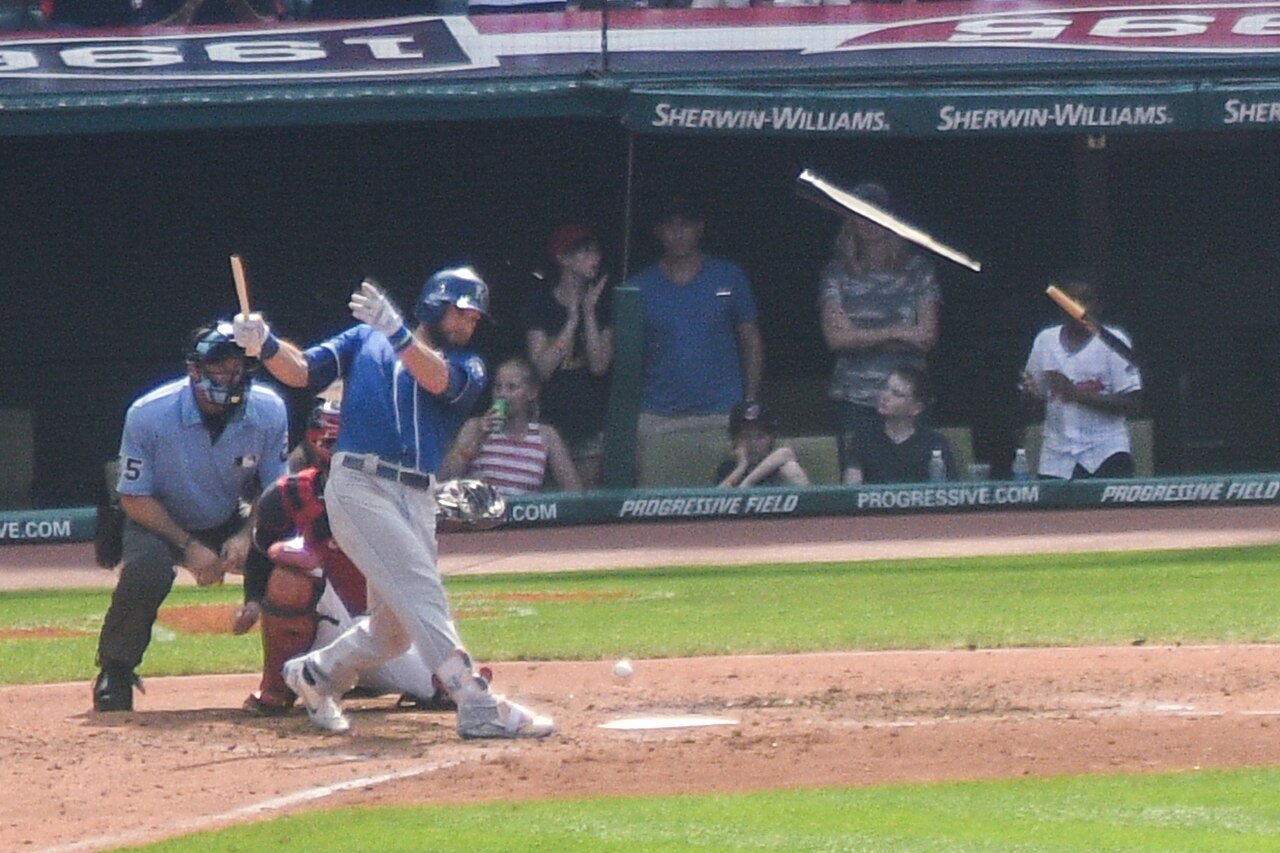
Each pick below has a job. Budget lanes reflect the prices we saw on Amazon on Nov. 18, 2026, which change by size and seller.
1. Rawlings Adirondack Youth Ash: the budget first wood bat
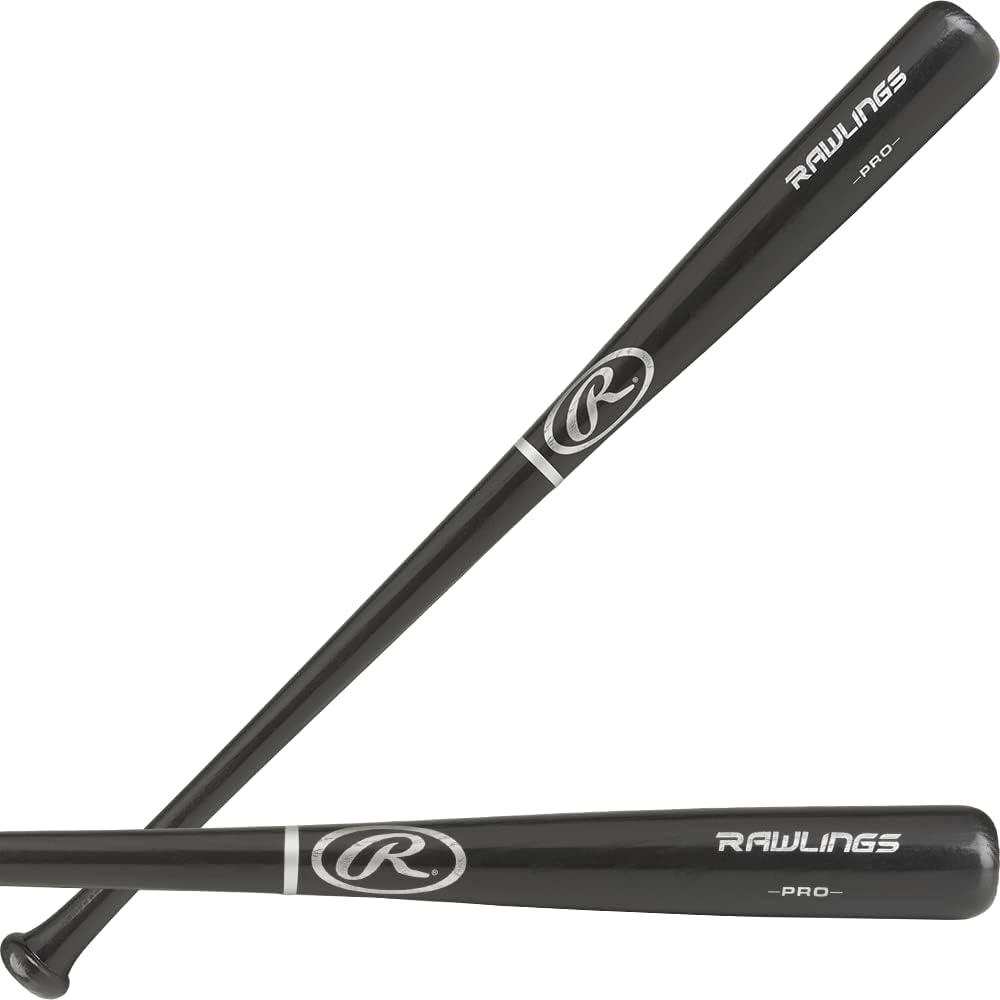
Adirondack ash with a -7 drop, a 1″ handle, a medium barrel and a cupped end, according to the listing, in 27″–31″. Ash is the lighter, more forgiving wood, so this is an easy first step from a -10 game bat, and Rawlings is on USSSA’s licensed list.
- Best for: 9U–12U players trying wood for the first time on the tee and in front toss
- Watch-outs: Ash can flake with heavy use, and a -7 is still about 3 ounces heavier than a -10 at the same length
- Budget lane: Under $50
2. Louisville Slugger Youth Genuine Y125: the cage beater
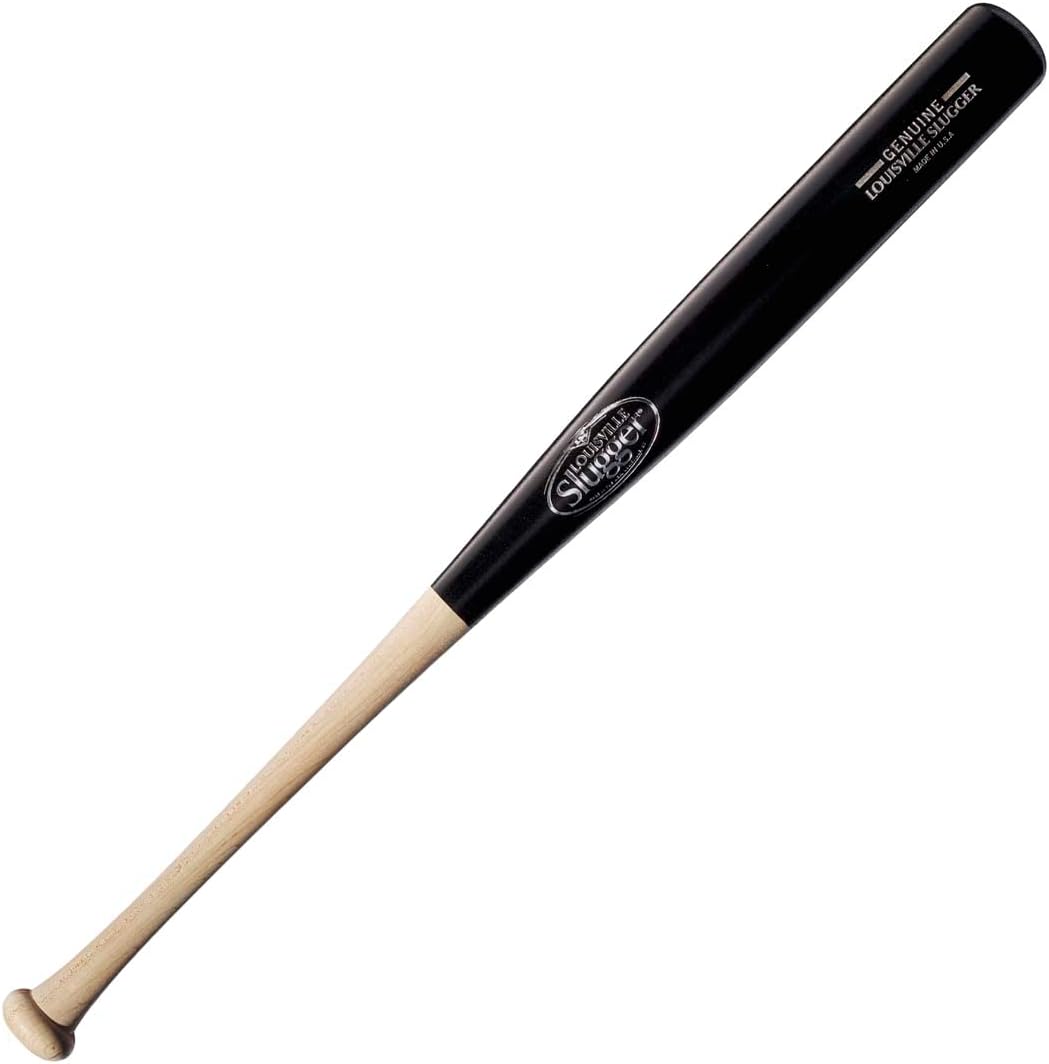
A low-cost youth bat with a cupped, balanced swing weight in 27″–31″. The listing describes the wood as a youth “mix” rather than naming one species. Louisville Slugger’s wood bat warranty page lists youth models among what it doesn’t cover, so buy it as the bat you don’t mind breaking.
- Best for: A second bat for machine rounds at a rented cage
- Watch-outs: No single-species promise and no warranty; don’t expect it to last like a pro-grade maple
- Budget lane: Under $50
3. Marucci AP5 Youth Pro Model: the step-up maple
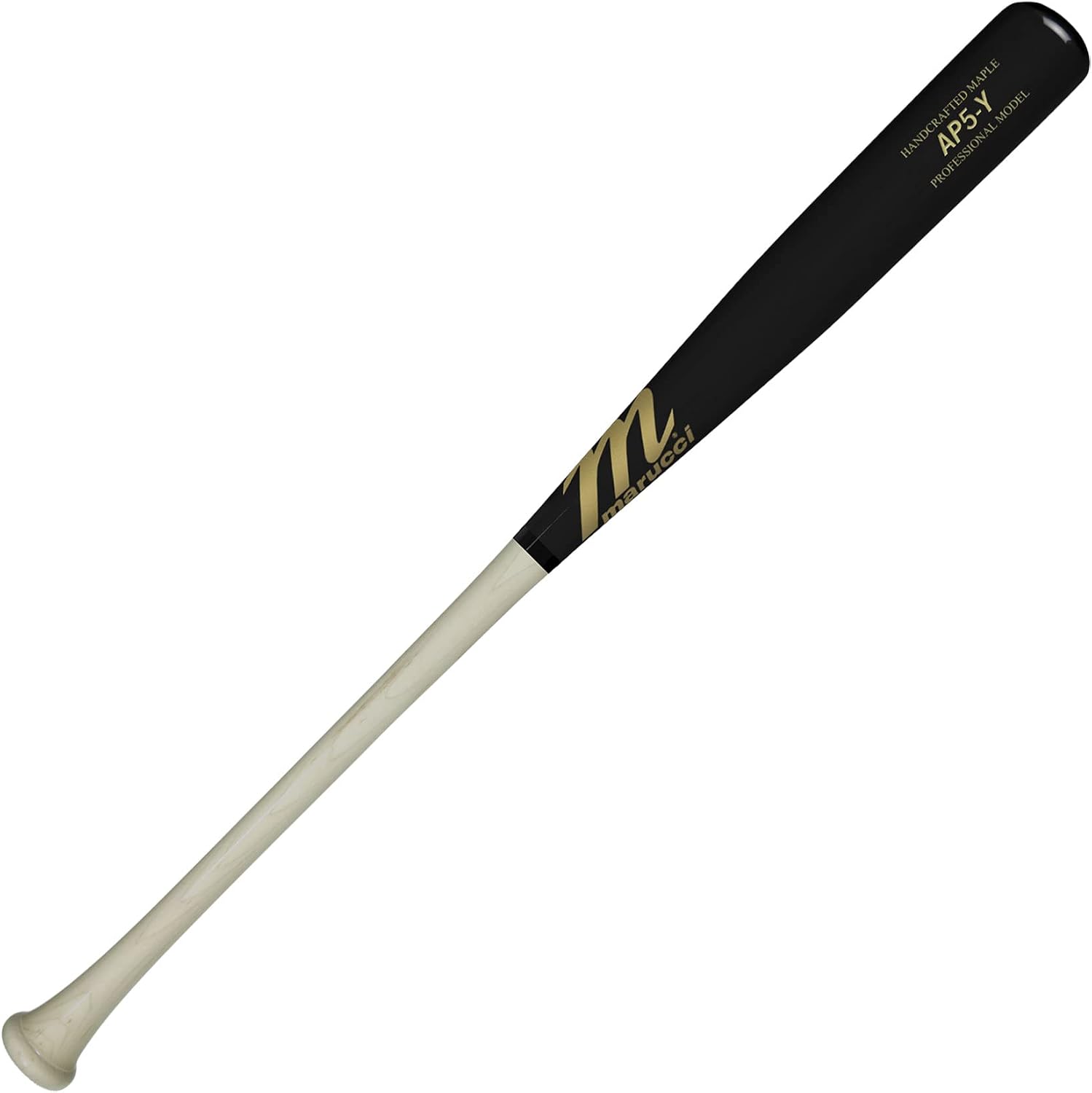
Bone-rubbed, ink-dot certified maple with an end-loaded feel, in 28″–31″. The Amazon listing calls it ideal for hitters with experience hitting wood, and that’s honest. It’s a good bat for a player who already squares the ball up, and a frustrating one for a beginner.
- Best for: 12U–13U hitters who make steady contact and want a real maple bat
- Watch-outs: End-loaded maple has a smaller sweet spot; keep it out of commercial machine cages, which Marucci’s warranty excludes
- Budget lane: $50–$100
4. BamBooBat Youth: the machine-cage workhorse
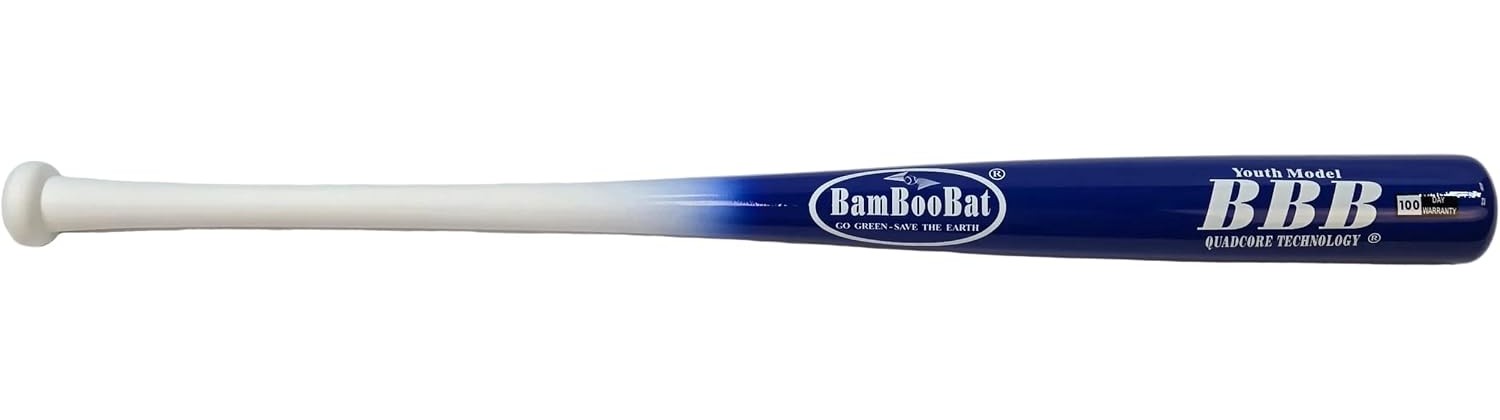
A bamboo youth bat in 28″–31″ that the maker sells on durability, with a one-time replacement warranty it lists at 100 days. Bamboo is a multi-piece bat, and the maker isn’t on USSSA’s licensed list, so this is a practice bat, not a game bat.
- Best for: High-volume winter cage work, including machine rounds
- Watch-outs: Not for USSSA games; Little League and high school require certification marks on multi-piece bats, so check before using it in any game
- Budget lane: $50–$100
5. Rawlings Big Stick Elite 243 Maple: for the 13U-to-14U jump
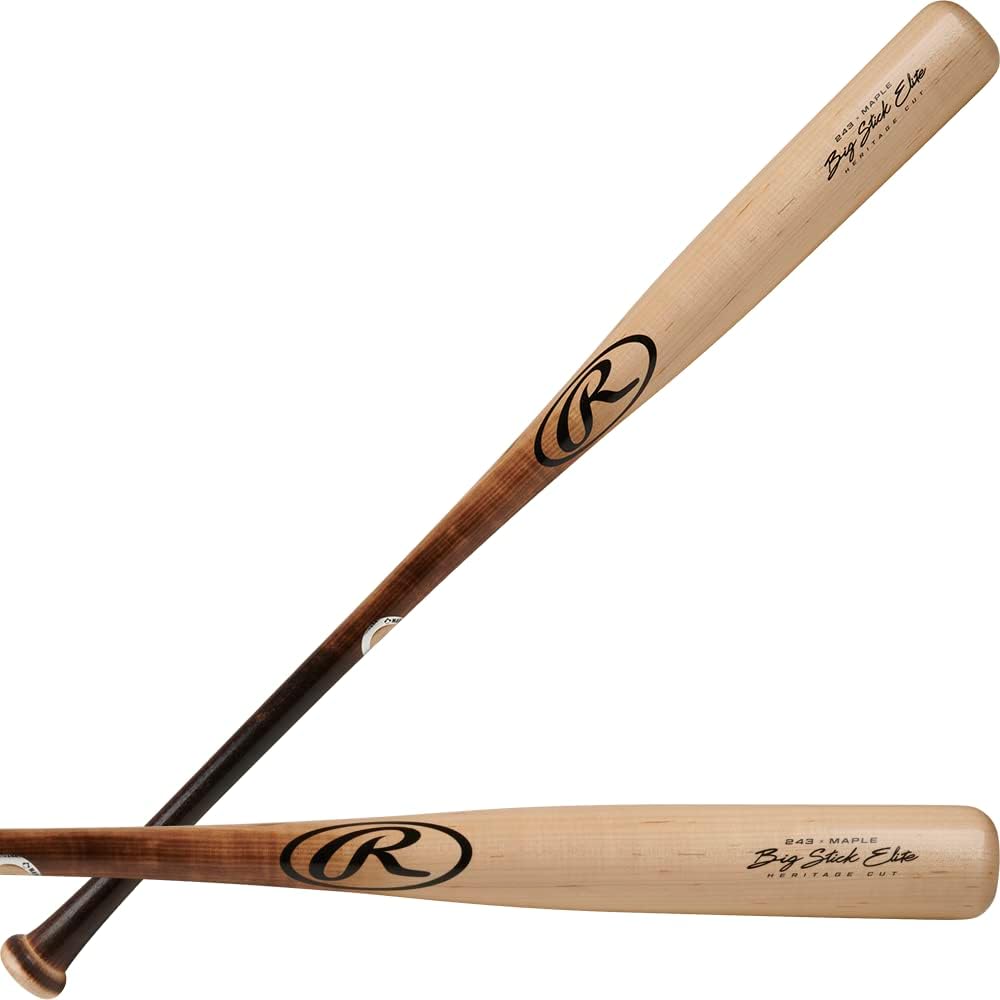
Pro-grade maple with a -3 drop, a 15/16″ handle, a cupped end and the ink dot test, in 31″–34″. The listing says it’s designed for ages 13 and up. A one-piece maple bat from a USSSA-licensed maker covers the 14U BBCOR-or-wood rule and high school wood rules, so winter work with it carries straight into spring.
- Best for: 13U and 14U players getting ready for the heavier bat
- Watch-outs: A 31″ -3 weighs about 28 ounces, roughly 5 more than a 31″ -8; it’s too heavy for most 12U players
- Budget lane: $50–$100
Before you buy: a quick checklist
- Write down your player’s current game bat: length and drop. Start the wood bat about an inch shorter.
- Pick the wood for the job: ash or birch for a first wood bat, maple for a hitter who already barrels the ball, bamboo for machine rounds.
- If it might be a game bat for USSSA, check that the maker is on USSSA’s licensed list. For Little League or high school, check for a USA Baseball or BBCOR mark on anything that isn’t one-piece wood.
- Read the warranty before the bat goes into a rented cage.
- Ask your spring coach which bats the 2027 tournament schedule allows before buying a second game bat.
If a wood bat is going under the tree, our select baseball Christmas gifts guide explains why a wood training bat is a safe buy-now gift while the 2027 game-bat question waits. For bat anatomy and the basics of barrel sizes and materials, see our bat buying guide for NTX select players.