Baseball Tryout Anxiety: Surviving the Parking Lot, the Wait, and the Call
Baseball tryout anxiety is normal — for the kid in the numbered pinny and for the parent pretending to check email by the fence. The way to handle it well is simple, even if it doesn’t feel simple at 7:40 a.m.: do the bag check the night before, keep the car ride light, stay out of the parking-lot rumor mill, give coaches the 48–72 hours they said they need, and make the real decision at home — not on the asphalt next to somebody’s Tahoe.
Fall tryout season is still rolling across North Texas, from Coppell to McKinney, so plenty of families have one more Saturday of this ahead. Our 2027 North Texas select baseball tryouts tracker keeps the dates we’ve actually verified, and how select baseball tryouts actually work explains what the coaches are doing out there. This one is about the part nobody puts on the flyer: the nerves.
The night before: the bag check that is really a nerves check
It starts around 9 p.m. with a perfectly reasonable question — “Where’s your cup?” — and somehow turns into a full inventory of the garage. The glove gets oiled for the third time this week. Somebody finds the good batting gloves in the car door. Somebody else asks whether they’re allowed to wear the old team’s practice shirt (short answer: wear plain, leave the other logo at home).
That flurry isn’t really about gear. It’s both of you burning off nervous energy. Let it happen early, then call it. Bag by the door, water bottles in the fridge, alarm set, phones down. The best tryout prep a parent can offer the night before is a kid who actually sleeps.
The car ride in: 121 traffic and the “just have fun” speech
Every North Texas tryout morning has the same soundtrack: a GPS rerouting you around construction on 121 or the Tollway, and a parent saying “just go have fun” in a voice that is clearly not having fun.
Kids can hear the difference. If you want one sentence for the car, try something you’ll still mean if it goes badly: “Hustle on and off the field, and I’m proud of you either way.” Then turn the music up. No last-minute hitting tips in the drop-off line. Nobody has ever fixed a swing at a stoplight in Frisco.

The parking lot: a field guide to tryout-day conversations
Once the kids walk through the gate, the parents are left in the lot with travel mugs, folding chairs, and way too much information. If you’ve read things baseball parents say that make no sense anywhere else, you already know the dialect. Tryout day has its own edition:
- “I heard they already have their roster.” Translation: Somebody’s cousin’s neighbor said so. Sometimes partly true — returning players exist — but it’s not a reason to leave early or to pile that on your kid.
- “Is that kid really 11?” Translation: Your child is the normal size for 11. Puberty is just ignoring the bracket.
- “We’re just here to see.” Spoken by a parent with a spreadsheet, three tryouts booked, and a color-coded commute column.
- “The coach told us he’s a lock.” Translation: There was a friendly conversation. Locks don’t usually need tryouts.
- “He’s not even trying today.” Translation: He’s nervous, and nerves look like slow feet from the parking lot.
- “Which one is yours?” The only parking-lot question that never causes a problem. Ask it, cheer for that kid too, and move on.
Pick your spot on purpose. The parent circle by the third-base fence is where anxiety gets passed around like sunflower seeds. Standing a little apart with a coffee isn’t rude; it’s self-defense. If you recognize yourself in any of the types of select baseball parents — the Logo Chaser and the Playing-Time Lawyer tend to show up early — tryout day is a good day to retire them.
What your kid is actually feeling on the field
From the fence, a tryout looks like drills. From inside, it feels like a test with no answer key. Your player is standing in a line of strangers wearing a number, waiting for one ground ball that suddenly feels like it decides their whole future. They see the coach with the clipboard. They notice who’s wearing a gear bag from a famous org. They definitely notice you.
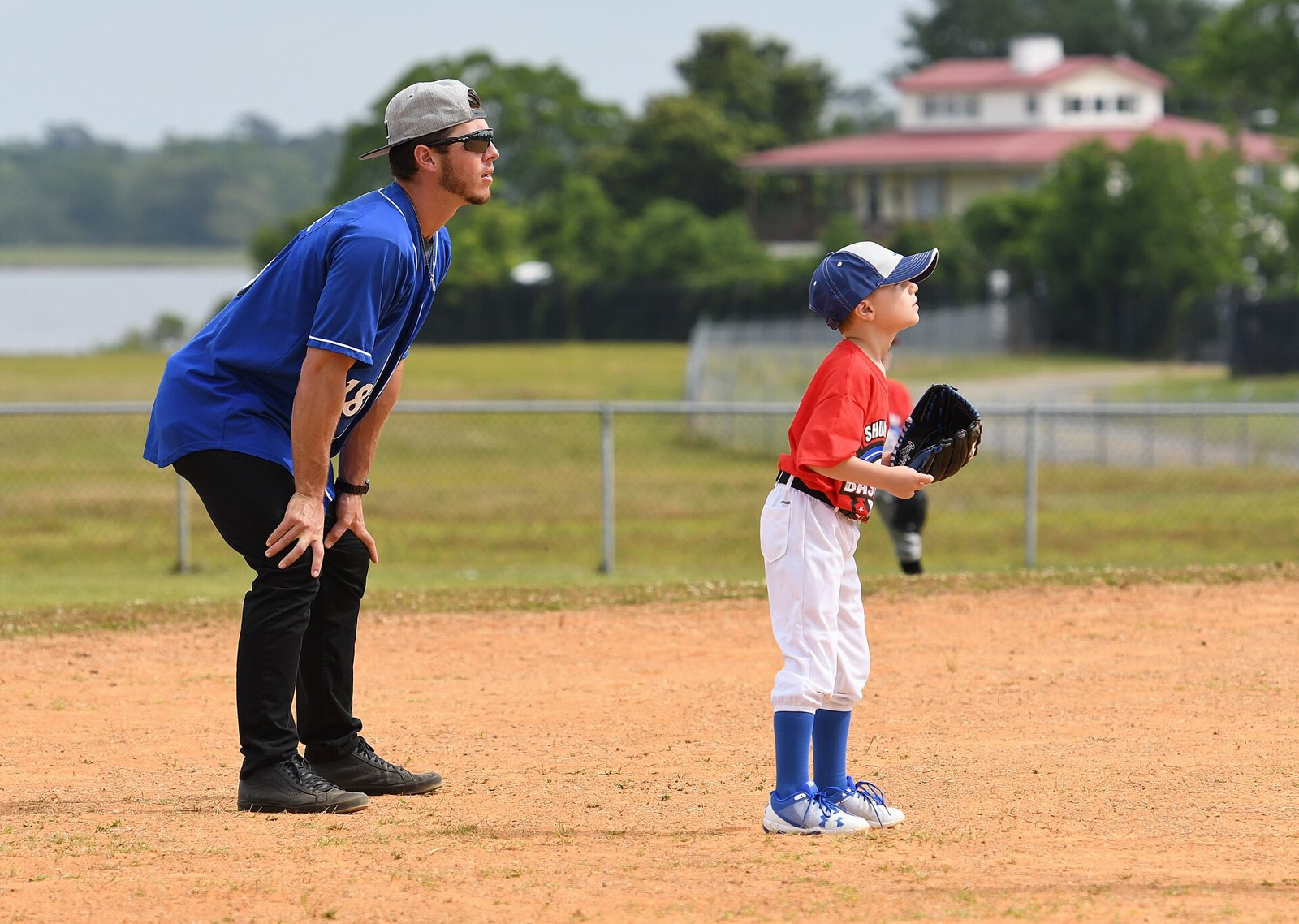
A few things that help kids, and that you can say plainly before or after:
- One bobble isn’t the evaluation. Coaches are watching footwork, effort between reps, arm action, and how a player responds to a mistake — not only the result of one rep.
- Nerves look like effort if you move. Sprint to every station. Hustle is the one thing a nervous kid completely controls.
- Talk to the coaches. Saying “yes sir” or “yes coach” and asking where to go next reads as coachable, and it gives the nerves somewhere to go.
- Don’t look for you. Tell them ahead of time: “I’ll be back by the car. Look at the coach, not the fence.”
Watching from the fence (without coaching from the fence)
If you stay, stay quiet. No hand signals, no “stay down!” no visible eye-rolls at the radar gun. Coaches notice the parents too, and the fastest way to make a nervous kid tighter is to give them a second voice from behind the dugout.
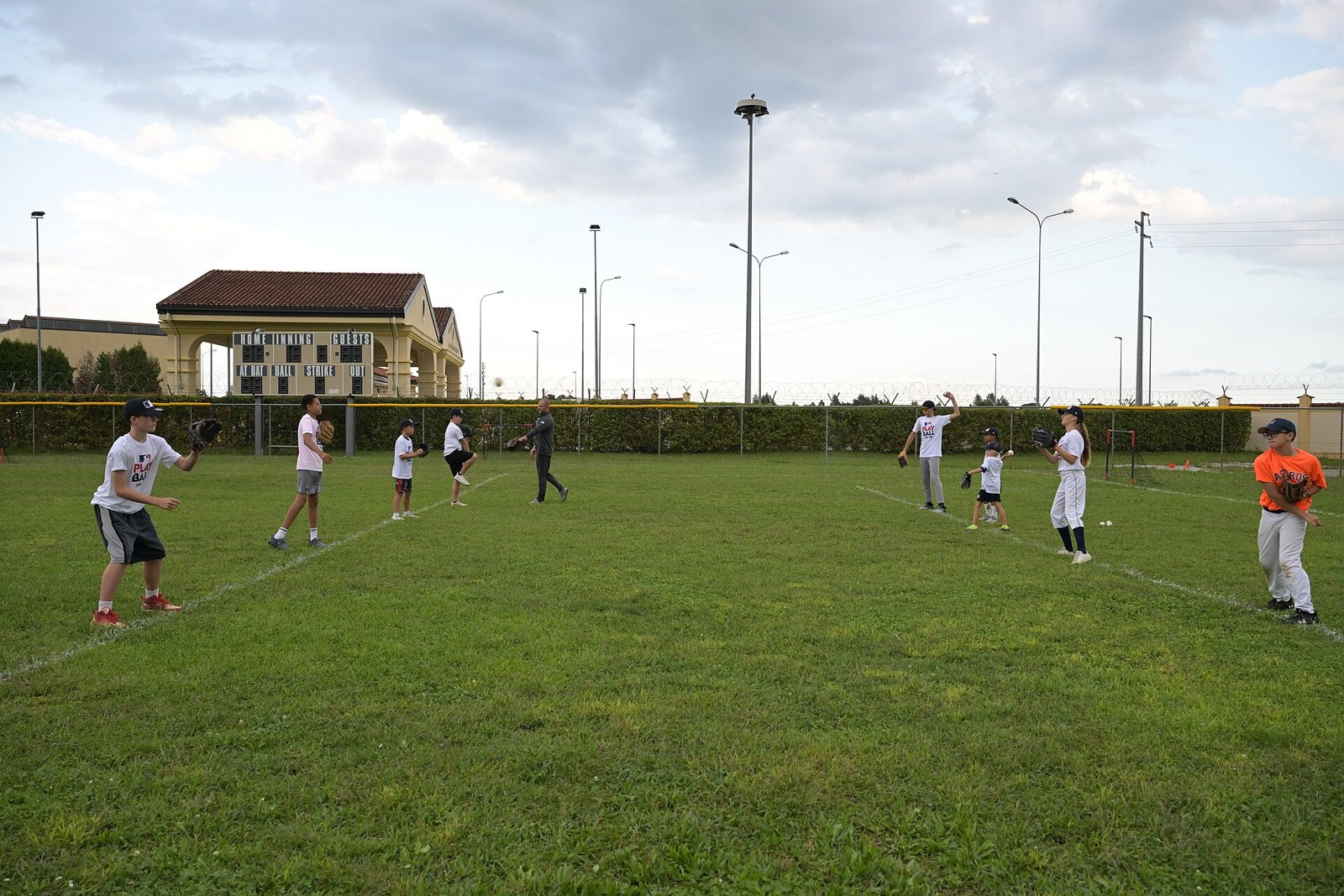
A more useful job: take notes for later. Which coach ran each station? Did anyone actually teach, or just watch? How were kids treated after a mistake? Was cost brought up honestly? Those answers matter more than whether your kid’s throw from short hopped once. They also give you something to do with your hands.
Waiting for the call
This is the part that gets everyone. Tryouts end, the kids pile into cars, and the waiting begins. Somebody in your group text has already heard back. Somebody else swears the coach is calling “top kids first.” You check your email so often your phone starts suggesting it.
A reasonable rule: if a program said they’d reach out in a set number of days, believe them until that window passes. After that, one polite message is fair — “We enjoyed the tryout and wanted to check on timing” — and then wait again. Silence for a day isn’t a verdict. Silence for two weeks is information.
If a program shares evaluation scores, how to read a youth baseball tryout score sheet helps you turn numbers into an actual conversation instead of a midnight spiral.
When the offer comes fast
Same-day offers with a short deadline are a North Texas tryout-season classic. They are flattering, and they are designed to stop you from finishing your list. It’s okay to say: “Thank you — we’re excited. We have one more tryout this weekend and we’ll give you an answer by Monday.” A program that respects your family will usually work with a reasonable timeline. One that won’t has told you something.
When the call is a no (or a “we’d like to see him again”)
A no at 10U or 11U is not a career review. Kids grow, rosters shift, and makeup tryouts and spot fills keep happening into winter. Let your kid be disappointed for a night. Then talk about what’s next: another tryout on the list, a skill to work on, or the team they already have. A “come back for a second look” invitation is a real opportunity, not a rejection — go, and treat it like a fresh start.
What to say on the ride home
The car ride home — or the Whataburger stop on the way — is where kids learn what tryouts mean to you. A few lines that work:
- “What was the most fun part?” (Start with fun, not the error.)
- “Which coach did you like? Why?” (Their read on coaches is real data.)
- “I saw you hustle on every station.” (Praise what they control.)
- “Want to talk about it now or later?” (Let them pick.)
And a few to skip: “Why did you swing at that?” “Did you see the kid who made the team last year?” “We paid for lessons for this.” Save the analysis for tomorrow, with the tracker open, after everyone has slept.
A quick tryout-day checklist for nervous families
- Bag packed and by the door the night before
- Plain practice clothes, no other org’s logo
- Arrive 20–30 minutes early; tryout complexes and school lots fill fast
- Water, a snack, and sunscreen — North Texas fall Saturdays still get warm
- One sentence for the car, then music
- A spot away from the rumor circle
- Notes on coaches, teaching, and cost — not just your kid’s reps
- A plan for the wait: when you’ll follow up, and when you’ll decide
Tryouts are stressful because they matter to your kid, and that’s a good thing. The families who handle them well aren’t the ones with zero nerves; they’re the ones who keep the nerves in the parking lot and bring the decision home. When you’re ready to compare programs, update your row in the 2027 tryouts tracker and give your player a vote.
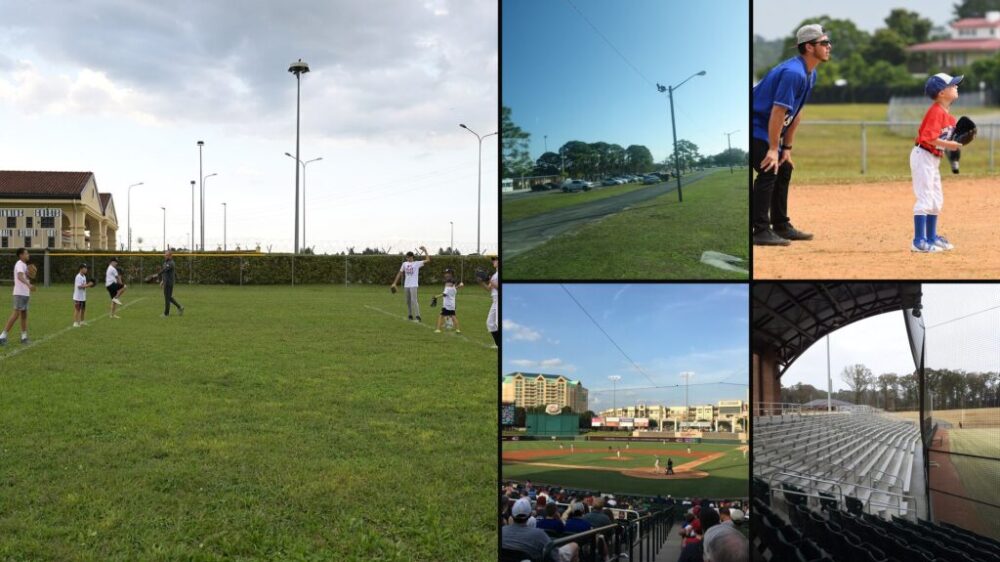
Header collage image sources via Wikimedia Commons: 2nd Lt. Hannah Malone / U.S. Air Force (public domain), Tdorante10 (CC BY-SA 4.0), Kemberly Groue / U.S. Air Force (public domain), One253sir (CC BY-SA 4.0), Michael Rivera (CC BY-SA 3.0).