Best Youth Batting Gloves for 2027: Do Kids Need Them, and What Size?
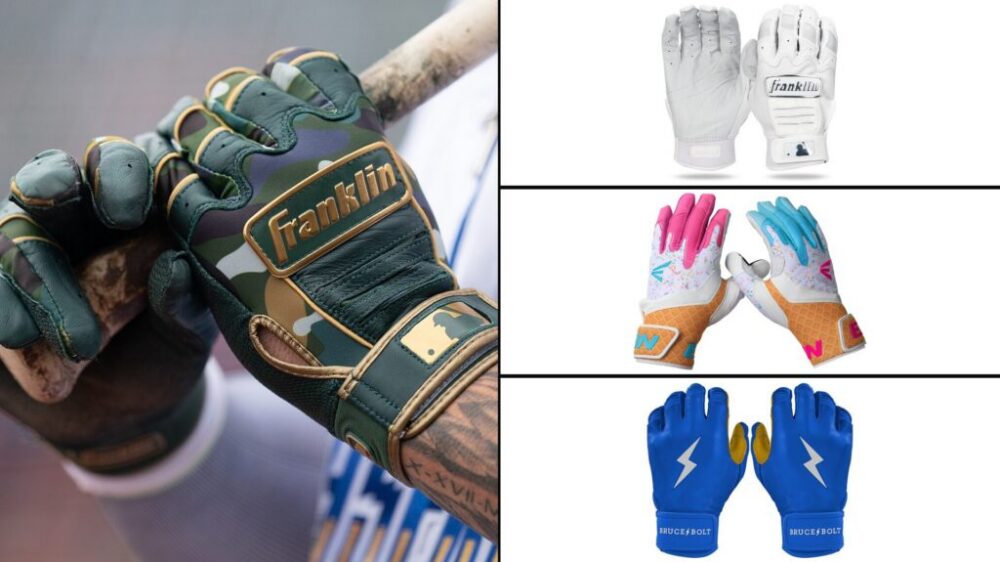
Most kids don’t need batting gloves to hit. Once a select player is swinging most days, though, one pair that fits is worth buying for blisters, sting and grip. The best youth batting gloves for 2027 are the pair that fits your player’s hand. Measure from the base of the palm to the tip of the middle finger, then use that brand’s own chart, because the size labels don’t match: a 6.4-inch hand is a youth large on Franklin’s chart and a youth medium on Easton’s and Bruce Bolt’s. Our picks: Franklin Digitek for a first pair, Franklin CFX Pro as the everyday standard, Easton Walk-Off Ethos for kids who wear through palms, and Bruce Bolt only once the hand has mostly stopped growing.
Below: when gloves actually help, a side-by-side sizing chart from three makers, the pitcher rule that changes depending on who runs the tournament, four picks with reasons, and how to make a pair last. For the rest of the bag, start with our North Texas select baseball gear guide.
As an Amazon Associate, NTX Select Baseball earns from qualifying purchases. Prices and stock change; check the listing before you buy.
Do kids actually need batting gloves?
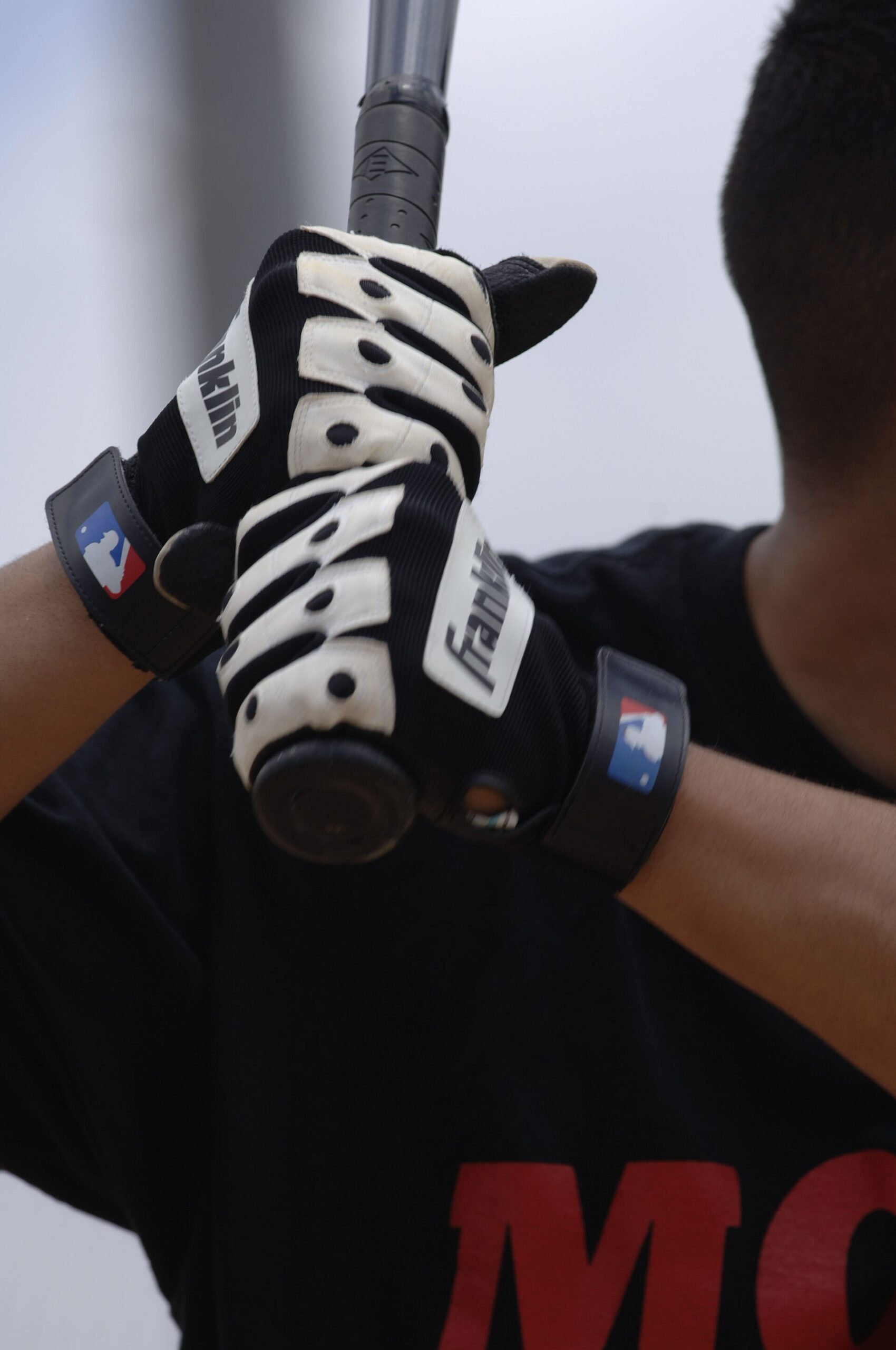
No. Batting gloves are blister and grip gear, not a performance upgrade. The Baseball Hall of Fame’s history of the batting glove credits Ken Harrelson with bringing them into regular-season play on Sept. 4, 1964, when he wore a red golf glove over a hand blistered from a day of golf. Plenty of great hitters never came around. Stan Musial said he wouldn’t have used them because he liked to feel the bat, and George Brett was still hitting barehanded in the 1980s.
So the honest question for a parent isn’t “which gloves make him hit better?” It’s “does my kid have a problem gloves solve?” Here’s how that usually shakes out:
- Worth it: blisters or torn skin from lots of cage swings, sweaty hands in a Texas summer doubleheader, sting on cold early-season mornings, or a player who just grips better with them.
- Can wait: a younger player taking a few dozen swings a week with no hand problems. Bare hands are fine, and some kids like the feel.
- Not a reason: the lightning bolt on a teammate’s wrist. Gloves won’t fix a swing, and a pair that’s too big makes grip worse, not better.
Sizing: the same hand gets a different size from each brand
Every maker sizes by hand length, but they don’t agree on what “youth medium” means. Here’s one hand measured against three published charts: Franklin’s printable hand chart, the chart on Easton’s Walk-Off Ethos page and Bruce Bolt’s size chart.
| Hand length | Franklin | Easton | Bruce Bolt |
|---|---|---|---|
| 5.75″–6″ | Youth small | Below the smallest size on Easton’s chart | Youth XS (limited styles) |
| 6″–6.25″ | Youth medium | Youth small | Youth small |
| 6.25″–6.5″ | Youth large | Youth medium | Youth medium |
| 6.5″–6.75″ | Adult small suggested | Youth large | Youth large |
| 6.75″–7″ | Adult small | Youth XL | Youth XL |
| 7″–7.25″ | Adult medium | Adult small | Adult small |
Three things stand out once you put the charts side by side:
- Franklin runs about one size “bigger” on the label. A hand that’s a Franklin youth large is an Easton or Bruce Bolt youth medium. If your player wears a Franklin youth large and you order the same letter in another brand, expect it to be roomy.
- Brands measure from different spots. Franklin and Easton measure from the base of the palm to the tip of the middle finger. Bruce Bolt says to measure from the top of the wrist. Use the method on the chart for the brand you’re buying.
- Age ranges are rough. Easton’s chart lists adult small for ages 11–13, so “he’s 12, so youth large” can be off by a size. Measure the hand instead.
Bruce Bolt’s own advice is the simplest: if your player’s current gloves fit, use that size as your guide, and if they’re too small, go up one. When you do measure, have your player measure the right hand without stretching the fingers, as Franklin’s chart says. A pair that fits feels snug without pinching, with no extra fabric past the fingertips and no bunching in the palm when they grip the bat.
The pitcher rule: batting glove under the mitt
Lots of kids leave a batting glove on under their fielding glove. That’s fine for most positions. For a pitcher, it depends on whose rules the game is played under, and North Texas families play all three in a single year:
| Rulebook | Batting glove under the pitcher’s glove? |
|---|---|
| Little League (Rule 1.15(b), as quoted by Cedar Mill Little League) | Allowed on the non-pitching hand, as long as the batting glove isn’t white, gray or optic yellow. |
| High school (NFHS), which Perfect Game youth events use with their own exceptions | Not banned outright. The NFHS rules bar a pitcher from wearing anything on the hands, wrists or arms that may distract the batter, and the umpire makes that call. |
| USSSA, which points its umpires to its national rules plus the pro-style Official Baseball Rules | The Official Baseball Rules don’t name batting gloves, but pro umpire manuals don’t allow them on pitchers, so many umpires will tell a pitcher to take it off. |
The easy fix: teach pitchers to pull the batting glove off before they take the mound. A white one comes off under any of these rules once the umpire notices.
Best youth batting gloves for 2027: four picks with reasons
All four come in youth sizes. Prices are what the Amazon listings showed when we checked on Nov. 12, 2026, and they change with size and color.
1. Franklin Digitek Youth: the first pair
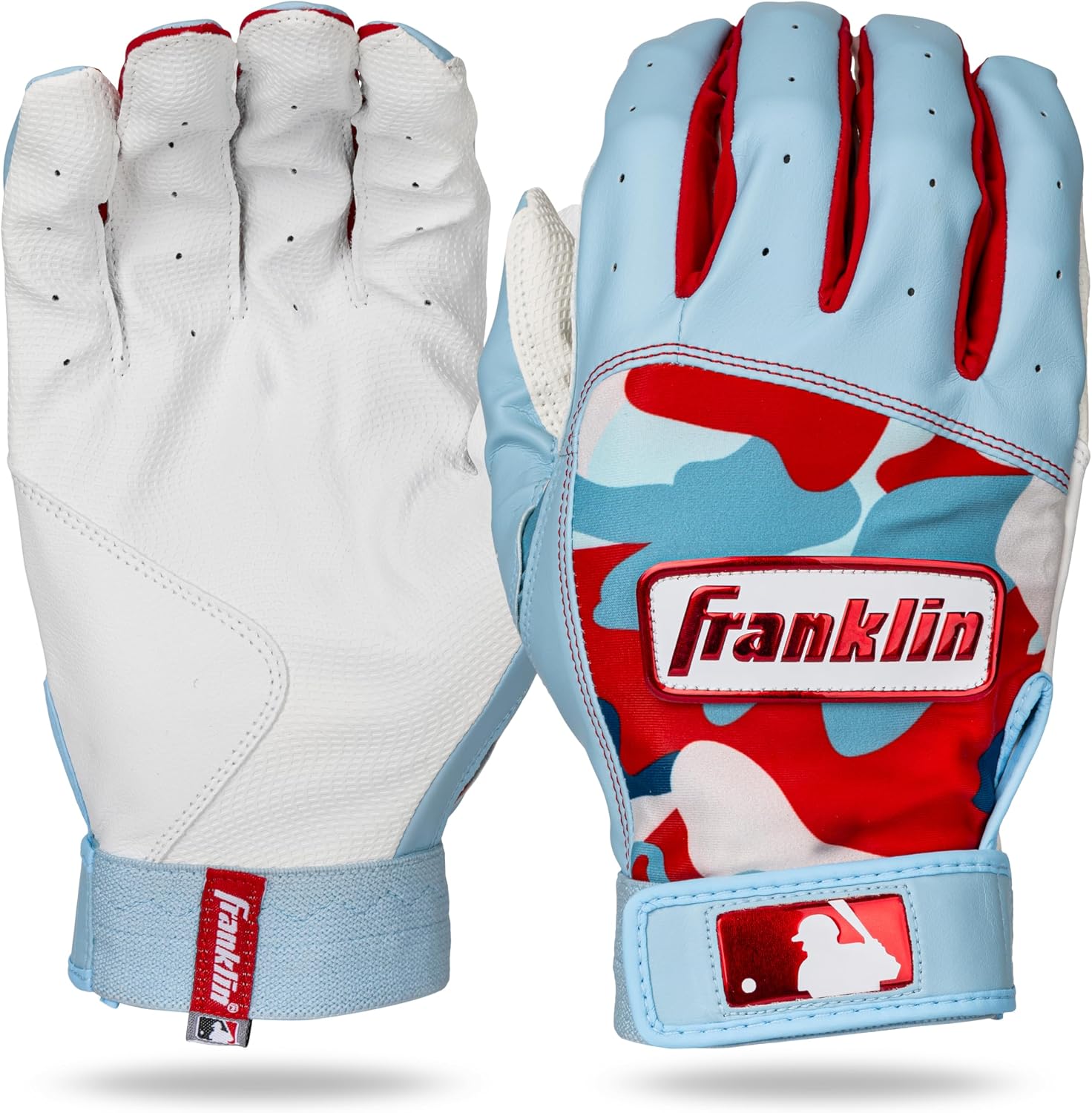
A leather-palm youth glove with a leather heel patch for wear, at a price that doesn’t hurt when a 9-year-old leaves one in the dugout. It’s the pair to buy to find out whether your player likes hitting in gloves before you spend more.
- Best for: 8U–10U players trying gloves for the first time
- Watch-outs: Uses Franklin’s chart, which runs a size “bigger” on the label than Easton or Bruce Bolt; a budget glove wears faster with daily cage work
- Budget lane: Budget (listed at $15.99)
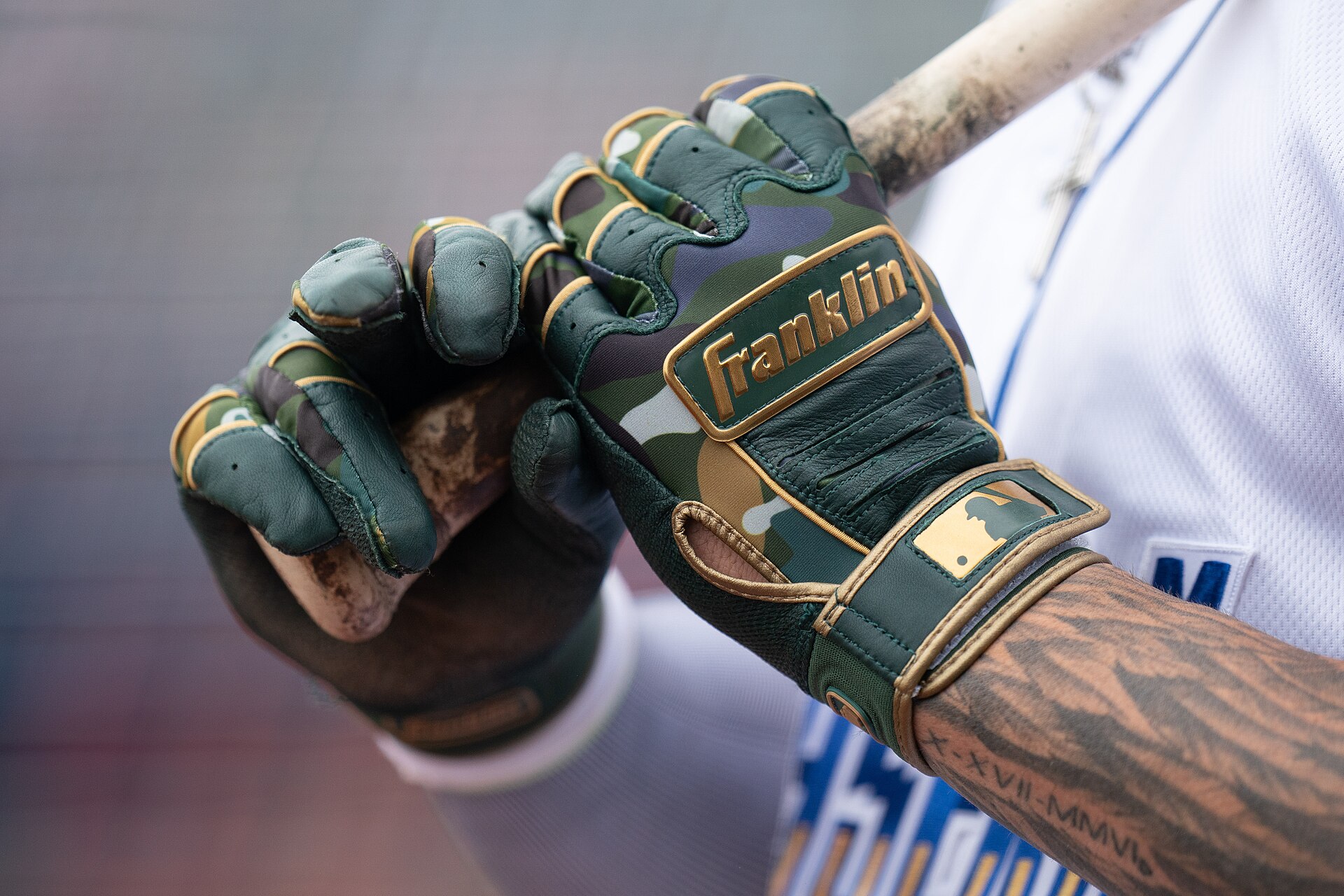
2. Franklin CFX Pro: the everyday standard
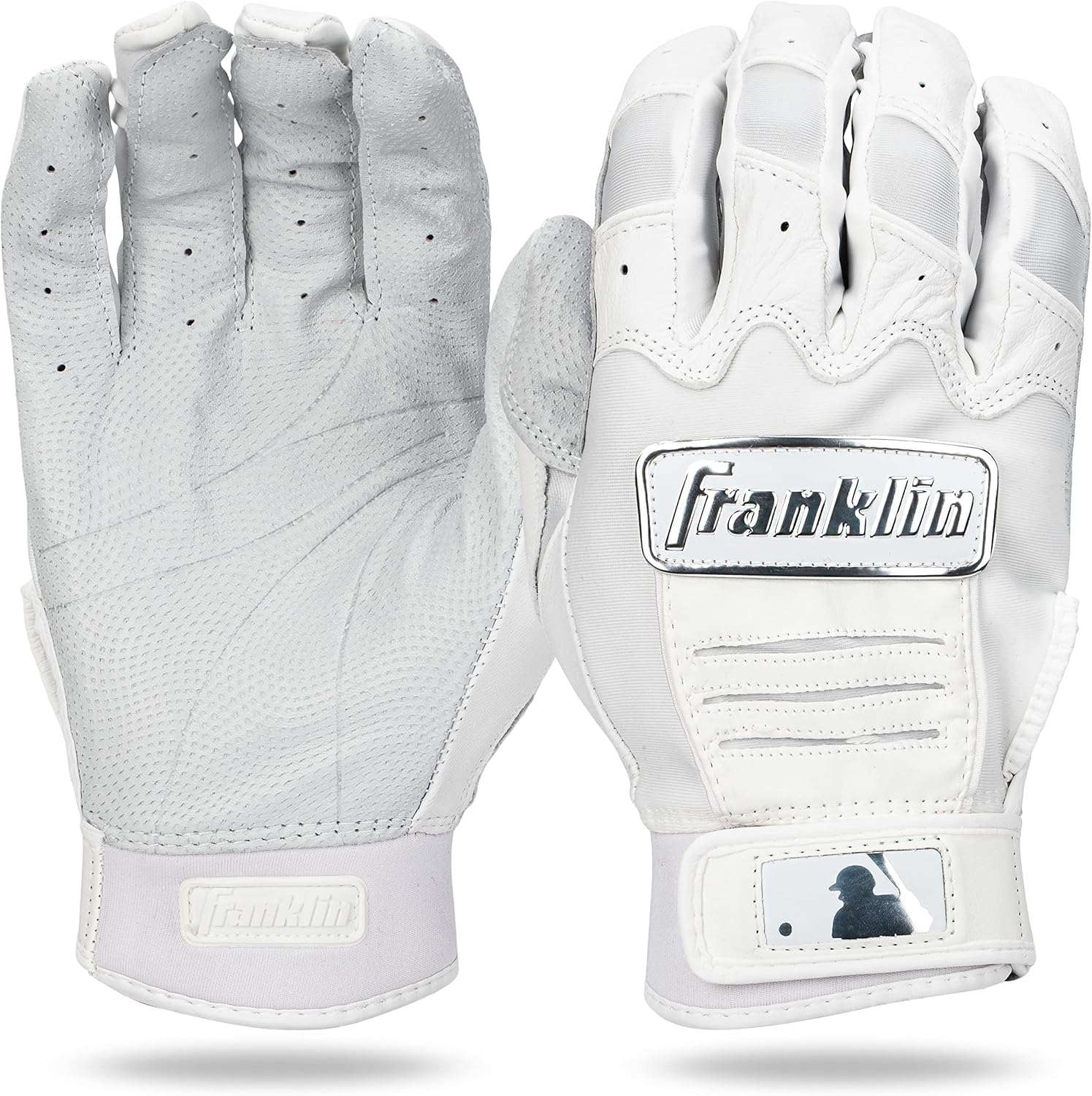
Cabretta leather palm with etched grip patterns, cut to follow the curve of the hand so it bunches less. It’s the glove most parents will recognize, and it’s the safe choice for an 11U–13U player swinging most weekends. It’s the same pick our Christmas baseball gifts by age guide makes for that age band.
- Best for: 11U–13U players who hit most days and want a proven feel
- Watch-outs: Size from Franklin’s chart, not another brand’s; a thin leather palm wears with daily cage work, so keep an older pair for the cage
- Budget lane: Mid (listed at $39.99)
3. Easton Walk-Off Ethos: for kids who wear through palms
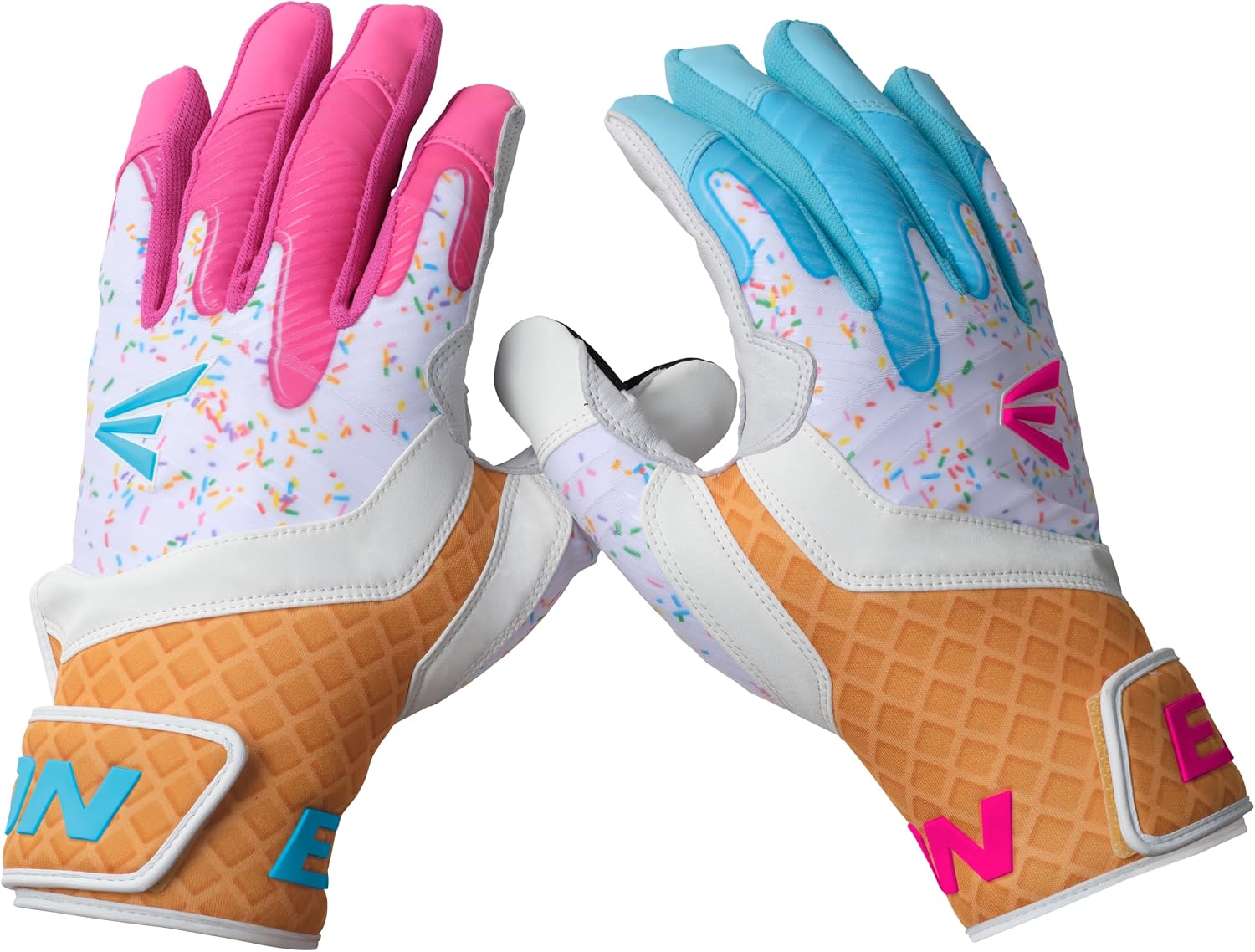
A thicker, tacky leather palm with double stitching and a second layer of leather in the palm and thumb, where cage-heavy hitters usually tear through first. It comes in youth small through XL. Remember Easton’s chart: if your player wears a Franklin youth large, start with an Easton youth medium.
- Best for: Hitters who blow out the palm or thumb of a thinner glove
- Watch-outs: A thicker palm may feel less “barehanded” than a thin cabretta glove; colorways vary by size
- Budget lane: Budget-to-mid (listed at $29.99)
4. Bruce Bolt Original Series Short Cuff: the Texas premium pick
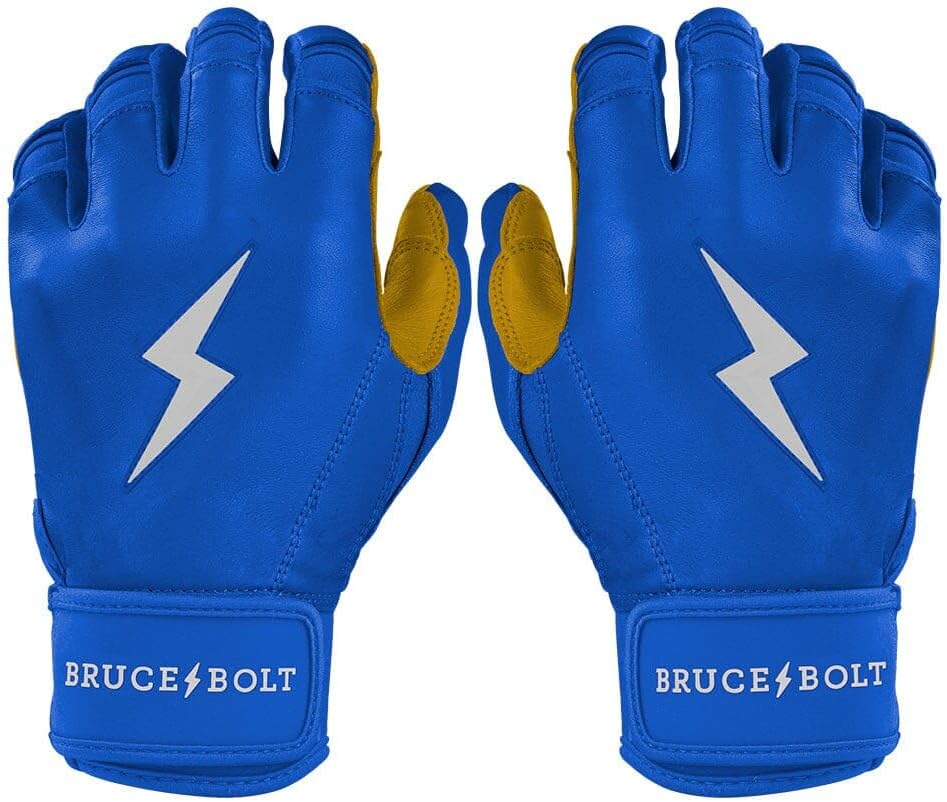
Bruce Bolt is a family-run company based in Austin, started in 2017 by a 16-year-old player, which is part of why the bolts are all over Texas dugouts. The gloves use 0.9mm cabretta leather, and the company says its testers got a full high school season and most of a summer select season from a pair. That only pays off if the hand stops growing, so we’d save these for 13U and up. Our Bruce Bolt review goes deeper.
- Best for: 13U+ players with a settled hand size who take care of their gear
- Watch-outs: Premium price for a glove a growing kid may outgrow by fall; youth XS and XXS come in limited styles only
- Budget lane: Premium (listed at $65)
How many pairs, and how to make them last
One good pair for games is enough for most youth players. When it starts to wear, move it to cage and practice duty and buy the next game pair in the size the hand is now. That gets you two pairs without buying a bag of five, and it keeps a fresh grip for weekends.
- Dry them out. Take sweaty gloves out of the bat bag after games so the leather doesn’t stiffen. Bruce Bolt suggests leather conditioner if the palm starts to dry out.
- Cold mornings need a different glove. For February tournaments, a fleece-lined pair beats stacking layers. See our cold-weather baseball gear guide.
- Re-measure every season. Hands grow fast between 10 and 13, and an outgrown glove is a blister maker.
For perspective on wear: the Hall of Fame history quotes Joe Rudi in 1977 saying he went through two or three pairs a month. Youth players don’t swing like big leaguers, so one game pair a season, plus the retired pair in the cage, is plenty.
Before you click buy
- Ask whether gloves solve a problem: blisters, sweat, sting or grip.
- Measure the hand the way the brand’s chart says, and use that brand’s chart.
- Don’t carry a size letter across brands. Franklin runs about a size “bigger” on the label.
- Pitchers take it off before they take the mound.
- Buy for this spring’s hand, not next year’s.
Still filling the bag? The gear guide covers bats, gloves, helmets, bags and cleats.