The Jump to 13U Baseball: 60/90 Fields, Bigger Bats and a Completely Different Game
If 12U felt like “real baseball,” 13U is where the field stops agreeing with you.
The jump to 13U baseball — often onto 60/90 dimensions, with longer throws, different bat conversations, and a completely different defensive geometry — is the biggest single shock in youth baseball for many North Texas families. Kids who looked locked-in on smaller fields suddenly look late to balls and short on throws. Parents panic. Coaches who only recruit “winners” start whispering about roster moves.
This is normal. It is also why the 13U transition deserves its own sober guide next to our Ultimate Guide to Select Baseball in North Texas and the age-band overview in 10U to 13U: How Youth Baseball Changes.
What physically changes
- Bases and mound distance increase on 60/90 (exact timelines vary by org / event — confirm your team’s schedule).
- Throws get longer. Middle infielders and catchers feel this first.
- Gaps get bigger. Outfield angles and communication matter more.
- Pitching lanes change. Timing and pitch shape look different to hitters who were comfortable last spring.
A kid does not become “worse” overnight. The field got larger.
What emotionally changes for parents
12U ranking talk was already ugly. At 13U, some families treat early struggles as proof the kid “peaked.” That is usually adult anxiety wearing a baseball hat.
Expect:
- More uneven box scores for a few months
- Position experiments
- Conversations about bats, strength, and arm care that used to be optional
- Temptation to switch teams mid-adjustment
How to help without making it worse
- 1. Give the body time. Many kids need a full season cycle to look natural again.
- 2. Train the new distances. Long-toss progressions, relay work, and game-speed ground balls beat random cage heroics.
- 3. Keep strength age-appropriate. Do not invent a college weight room for a 13-year-old to soothe your ego.
- 4. Watch coaching quality. The right coach teaches the bigger field. The wrong one only cuts kids who look uncomfortable in month two.
- 5. Hold the ranking conversation lightly. Labels still are not destiny — see AA vs AAA vs Major.
Gear notes (without the hype)
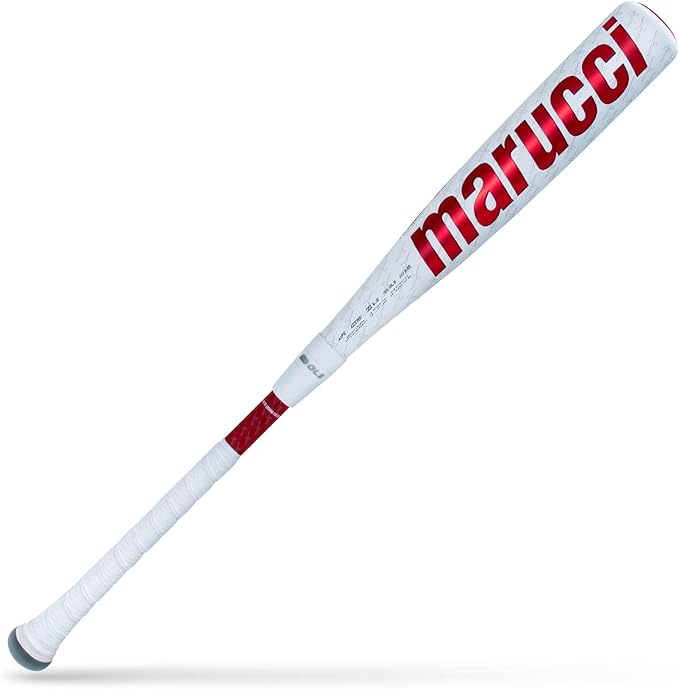
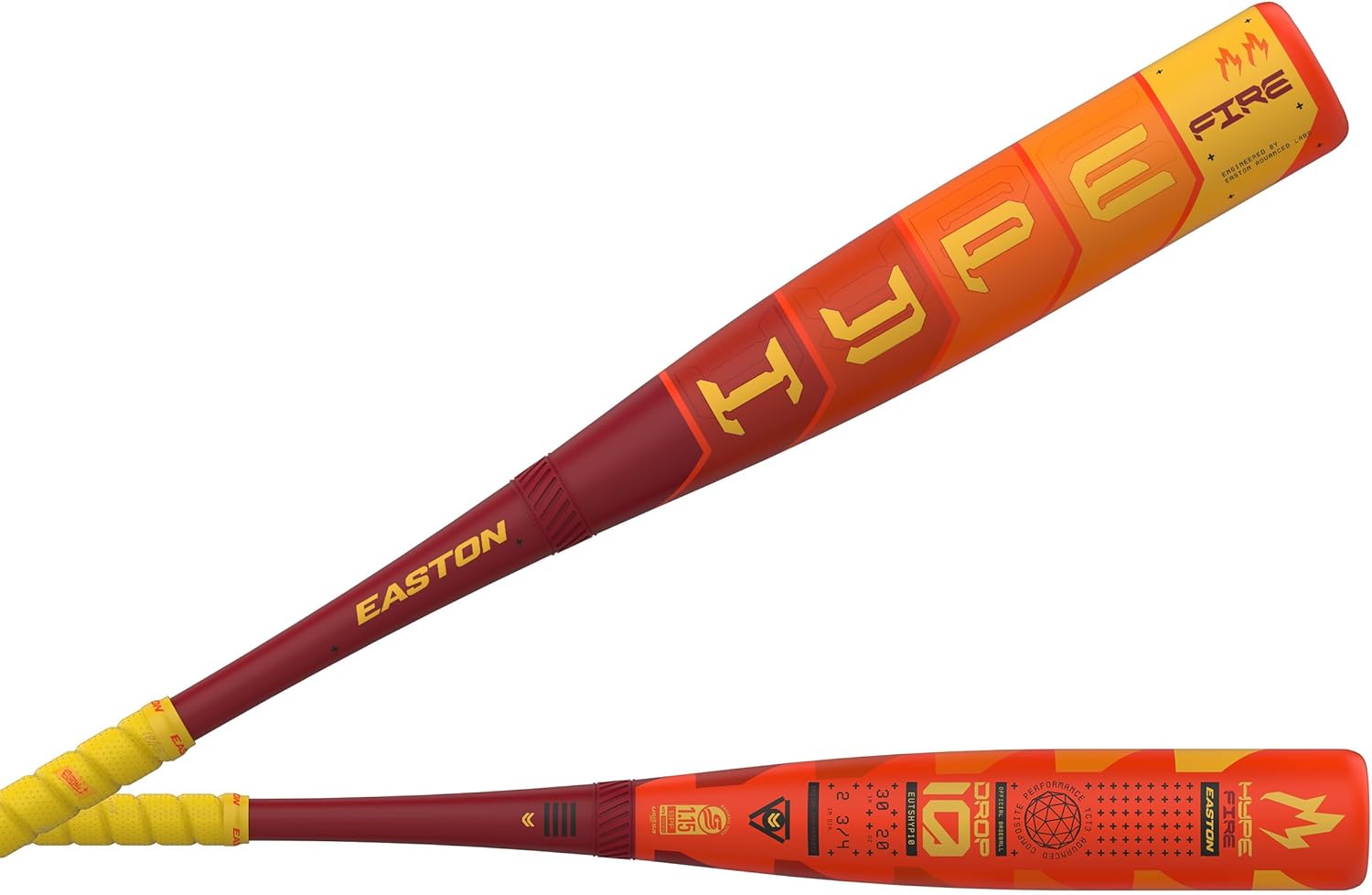
You may need a different bat path depending on rules your events use, and a glove that still works on longer throws. Buy for the rules you play under — not for whatever is trending in a Prosper group chat. Start with the Gear Guide 2026 and only replace what is actually wrong.
If you are measuring velocity or exit speed to track development (not to feed parking-lot gossip), use tools carefully — accuracy matters more than the number that makes dad feel better.
Is struggle at 13U a reason to quit select?
Usually no — if the kid still wants to play and the coaching is patient. Yes — if the environment is humiliation, endless travel, or a roster built only for weekend trophies.
Revisit Is Select Baseball Worth It? if the family cost/benefit math changed with the bigger field.
Bottom line
The jump to 13U baseball is a geometry problem first and a talent problem second. Families who survive it stop treating early awkwardness as a final grade. They pick coaches who teach the bigger field, keep expectations honest, and let the athlete catch up to the diamond.