The Ultimate Select Baseball Checklist for Parents in North Texas
Making the jump to select baseball in North Texas can feel exciting at first. Better competition, sharper uniforms, more games, and the promise of development all sound great on paper. But once families get into it, they quickly realize select ball is not just a sports decision. It is a money decision, a time decision, and a lifestyle decision.
For many parents, the hardest part is not finding a team. It is figuring out whether the team, the coach, and the overall commitment are actually the right fit for their child and their family. In a crowded North Texas baseball scene full of branding, promises, and politics, that can be hard to sort out.
This guide is built to help parents ask better questions, spot red flags early, and make smarter decisions before jumping into select baseball.
1. Decide if Your Family Is Really Ready for Select Baseball
Before comparing teams, facilities, or dues, start with your own household. Select baseball changes weekends, routines, and priorities fast. A lot of families think they are signing up for “a little more baseball” when they are actually signing up for a major shift in family life.
- Can your family realistically commit to multiple practices each week?
- Are you prepared for long weekends at tournaments?
- Can your child handle failure, pressure, and competition?
- Are you looking for true development, or are you mostly chasing the image of select baseball?
The earlier parents answer those questions honestly, the fewer regrets they tend to have later.
2. Understand the Real Cost of Select Baseball
One of the biggest surprises for new families is how expensive select baseball can become. Team dues are only the starting point. The real annual cost is usually much higher once you add uniforms, equipment, lessons, tournament travel, food, gas, hotels, and all the extras that stack up throughout the season.
Many North Texas families discover that select baseball is not a one-line expense. It is a rolling investment.
- Team dues
- Uniform packages
- Tournament fees
- Hotel stays
- Gas and tolls
- Private lessons
- New bats, gloves, cleats, and gear bags
- Team spirit wear and extras
If you do not talk about the full budget before joining, resentment can creep in quickly, especially when the return does not match the cost.
3. Evaluate the Coach More Than the Brand
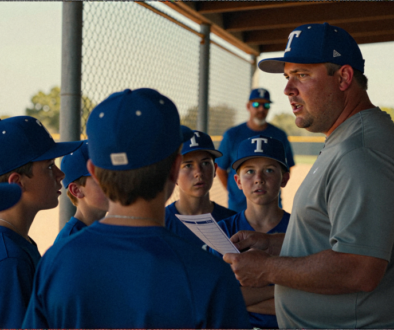
Parents often get distracted by the name of a program, the look of the uniforms, or the social media presence of an organization. But at younger ages, the coach matters far more than the logo.
You are not just choosing a team. You are choosing the person who will shape your child’s baseball experience.
- Does the coach actually teach, or mostly just organize games?
- Do practices look structured and purposeful?
- How does the coach respond to mistakes?
- Do they communicate clearly with parents?
- Are they focused on development or just chasing wins and trophies?
A polished brand does not automatically mean a healthy team environment. In North Texas, even some well-known programs can still have younger teams dealing with disorganized coaching, poor communication, or obvious daddy ball.
4. Ask Direct Questions About Playing Time
This is one of the biggest issues in select baseball, and many parents avoid asking about it because they do not want to seem difficult. That is a mistake. Playing time expectations should be clear before you commit.
At younger ages, development should matter. If a kid is spending most of the weekend on the bench, that family is paying a premium for frustration.
- How is playing time determined?
- Is it equal, earned, or situational?
- How many players are on the roster?
- Are positions rotated at younger ages?
- What happens if a player struggles?
Vague answers usually lead to predictable problems later.
5. Learn the Difference Between a Program and an Independent Team
Not every good team is attached to a large organization, and not every big-name program is a better choice. Some parents assume the strongest branding means the best experience. That is not always true.
What larger programs often offer:
- Indoor facilities
- More polished branding
- Name recognition
- A pathway to future teams inside the organization
What independent teams may offer:
- Better communication
- A more personal environment
- Less politics
- A coach who is more invested in each player
The smartest parents look past the logo and evaluate the actual baseball environment their child will enter.
6. Focus on Development, Not Exposure
This is especially important for younger players. At 8U, 9U, 10U, 11U, and even 12U, families should be thinking about skill development, confidence, baseball IQ, and fundamentals. Exposure is not the point yet, no matter how many buzzwords a team throws around.
If a team at those ages is selling dreams instead of teaching baseball, parents should pay attention.
- Are fundamentals being taught consistently?
- Do players understand situations, not just mechanics?
- Is your child getting better over time?
- Does the team prioritize reps, learning, and growth?
Development is what gives a player a future. Hype just gives parents an invoice.
7. Be Honest About Your Child’s Personality and Motivation
Not every kid is wired the same way, and that matters. Some kids love competition and thrive under pressure. Others enjoy baseball but do not want it to dominate their lives. That does not make them less talented. It just means the environment has to fit the child.
- Does your child genuinely love baseball?
- Do they want more practice, or just more games?
- Can they handle failure without shutting down?
- Will select baseball build confidence, or slowly chip away at it?
The wrong team can make a good young player stop loving the game.
8. Think About the Lifestyle Cost, Not Just the Financial Cost
Select baseball affects the whole family. Parents often focus on dues and gear, but the schedule impact can be just as significant. Weekends shift. Family trips change. Siblings spend long hours at the fields. Home routines get built around baseball.
- Are siblings okay with spending weekends at tournaments?
- Are you prepared for early mornings and late evenings?
- Will baseball dominate your family calendar?
- Are you okay replacing casual weekends with baseball travel?
That tradeoff is worth it for some families. For others, it becomes exhausting faster than expected.
9. Ask These Questions Before You Join Any Select Baseball Team
If you are attending tryouts, talking to coaches, or comparing teams, these are the questions parents should ask directly.
- What does a normal practice week look like?
- How many tournaments are scheduled?
- How is playing time handled?
- How many players are expected on the roster?
- What is your development philosophy?
- How do you communicate with parents?
- What happens if my child hits a rough patch?
- What are all expected costs beyond dues?
- How much travel is involved?
- What makes this team a good fit for younger players?
Parents do not need to apologize for asking smart questions. In fact, the best coaches usually appreciate it.
10. Understand the Exit Plan Before You Start
Most parents do not ask about what happens if things do not work out. They should. Not every team is a fit, and not every season goes how people expect.
- Is there a refund policy?
- Can families leave mid-season?
- What happens if the coaching situation changes?
- Are dues still owed if a player leaves?
A team that gets defensive about those questions may already be telling you something important.
Why This Matters So Much in North Texas
North Texas select baseball has exploded. That growth has created more opportunities, but it has also created more noise. There are more teams, more programs, more marketing, and more parents trying to figure out what is real and what is just branding.
That is why families need a checklist. The goal is not just to get on a team. The goal is to find the right baseball environment for your child without wasting money, time, or confidence along the way.
Final Thoughts
The parents who make the best select baseball decisions are usually not the ones chasing the biggest name or the flashiest setup. They are the ones who slow down, ask good questions, and focus on coaching, development, fit, and family lifestyle.
Select baseball can be a great experience when the environment is right. It can also become a very expensive headache when parents ignore red flags early. Choose carefully, trust your instincts, and remember that the right team is not always the loudest one online.
TL;DR
Select baseball in North Texas can be a great opportunity, but it comes with real costs, time demands, and risk if families do not ask the right questions. Parents should focus on coaching quality, playing time, development, team culture, and family fit instead of getting distracted by logos, hype, or promises. The best decision is not joining the biggest brand. It is joining the right environment for your child.