Best Baseball Training Aids for Kids: What Works vs. Gimmicks
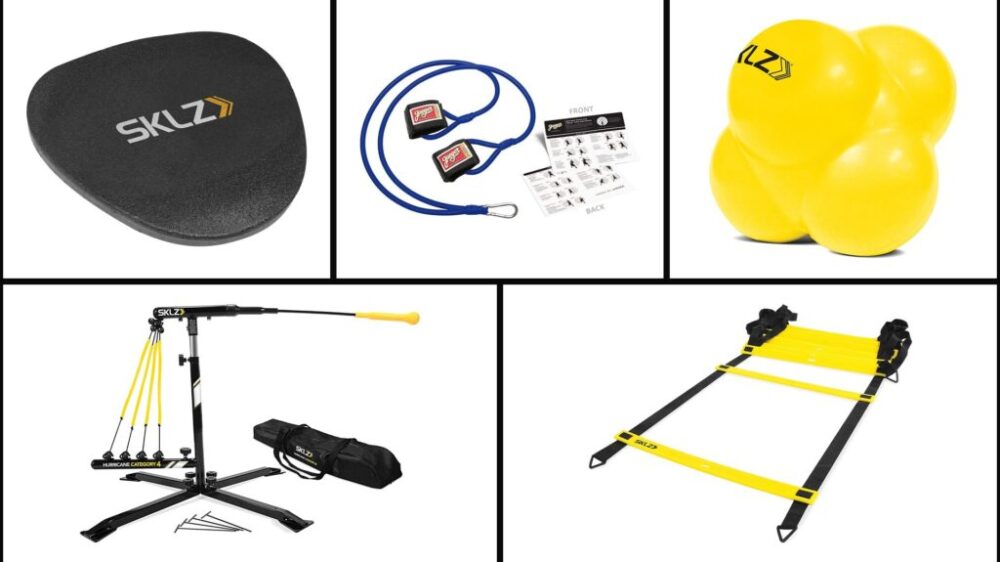
The baseball training aids that actually work for kids are cheap and a little boring: a flat fielding trainer, a reaction ball, an agility ladder, a grip-marked baseball and a set of arm-care bands. Together they cost about $110 on Amazon right now. The ones to skip are the ones that promise fast results: weighted-ball velocity programs for young arms, the donut on the bat in the on-deck circle and breaking-ball gadgets for 10-year-olds. The research on those is below.
Affiliate disclosure: some links below are Amazon affiliate links. If you buy through them, NTX Select Baseball may earn a small commission at no extra cost to you. Prices were checked on Amazon in October 2026 and change often.
This guide picks up where our batting nets and tees guide leaves off. If your player doesn’t have a net and a sturdy tee yet, start there. Those two do more for a young hitter than anything on this page. Everything here is for fielding, footwork, grips and arm health, the stuff that gets skipped when the only backyard plan is “hit off the tee.”
How to tell a real training aid from a gimmick
Before you buy anything, run it through three questions:
- Does it make a real baseball movement happen more often? Fielding with two hands, moving your feet, gripping the ball right. If it creates a movement you never use in a game, pass.
- Can a 10-year-old use it correctly without a coach standing there? Most backyard work happens with a parent who isn’t a hitting or pitching coach. Simple tools survive that; complicated ones teach bad habits.
- Does the box promise a number? “+5 mph,” “more exit velo in 30 days.” When a youth product sells a number nobody can check, that’s marketing, not training.
| Training aid | Our call | Why |
|---|---|---|
| Flat fielding trainer | Works | Forces two hands and the body in front of the ball |
| Reaction ball | Works | Cheap bad-hop practice a kid can do alone |
| Agility ladder | Works | Footwork and first-step quickness |
| Grip-marked baseball | Works | Teaches fastball grips; ignore the breaking-ball marks |
| Arm-care bands (J-Bands) | Works with guidance | Strengthens muscles that protect the arm |
| Hurricane-style swing trainer | Depends | Good with a coach, overkill without one |
| Weighted-ball velocity programs | Skip for kids | Study saw 24% injured (ages 13–18) |
| Bat donut on deck | Skip | Studies found the same or slower bat speed after |
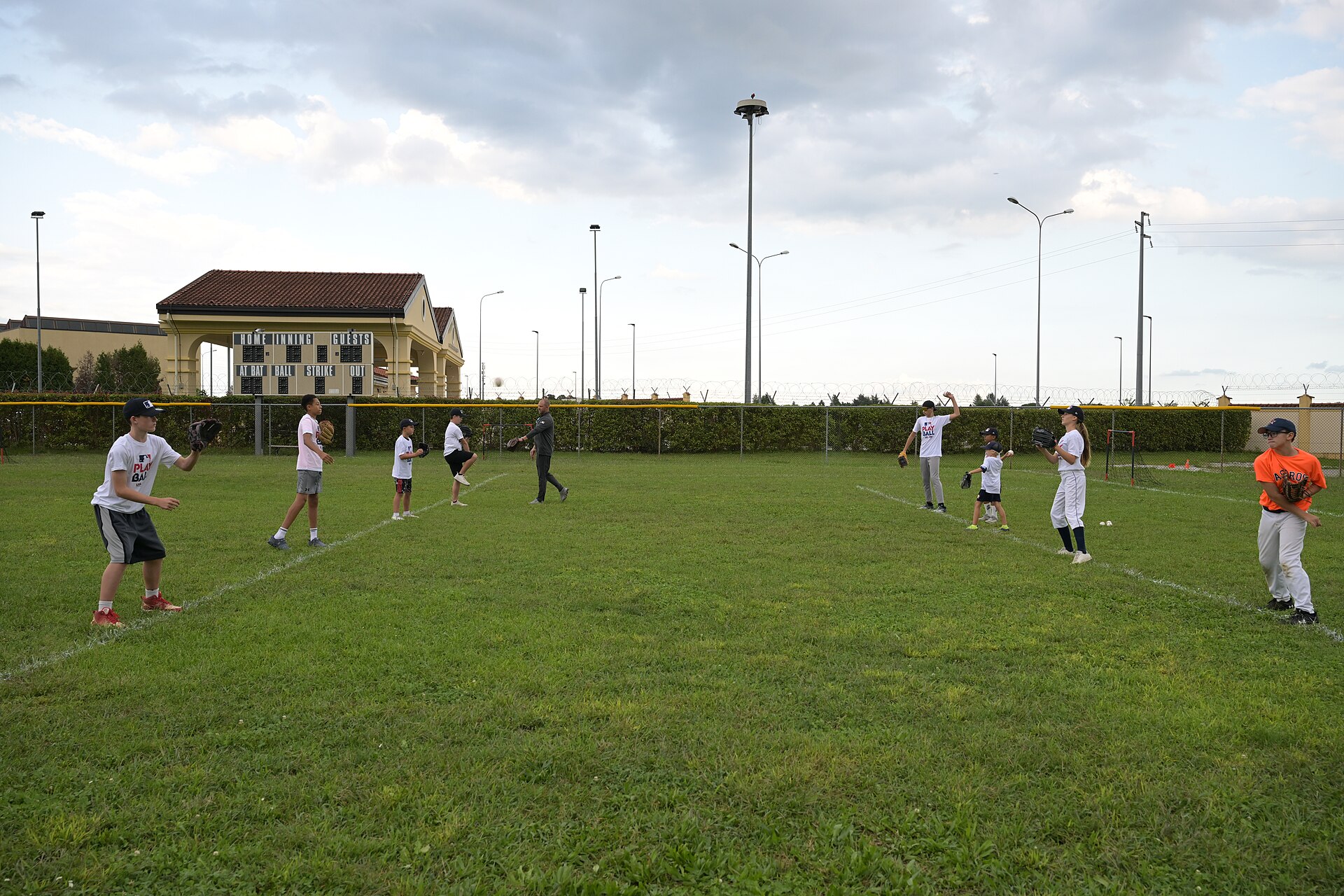
Baseball training aids that actually work
None of these will go viral in your team group chat. All of them get used, survive a North Texas winter in the garage, and teach something a coach will notice by spring.
1. SKLZ Softhands Fielding Trainer — the cheapest fix for “stabby” hands
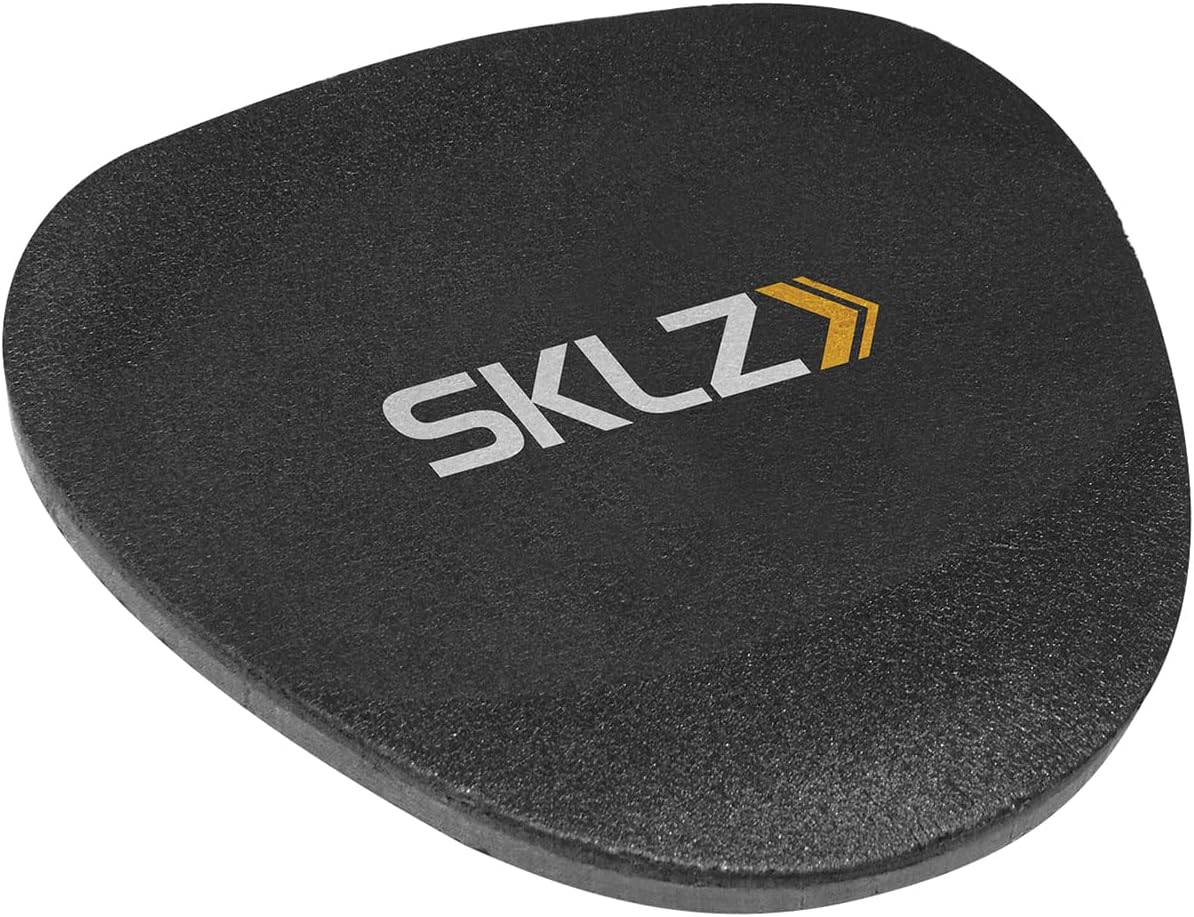
It’s a flat foam pad that fits either hand, and that’s the point. With no pocket to bail them out, kids have to get their body in front of the ball, field it out front with soft hands, and use the throwing hand to finish. Ten minutes of rolled grounders in the driveway with this thing teaches more than a new glove ever will.
- Best for: Infielders 8U–14U who slap at the ball, field off to the side or forget the throwing hand
- Watch-outs: Use tennis balls or soft balls at first. A hard ball off a flat pad will find a finger. It’s a teaching tool, so don’t take it into a live game
- Budget lane: Under $15 (about $15 when we checked)
2. SKLZ Reaction Ball — ten bucks of bad hops on purpose
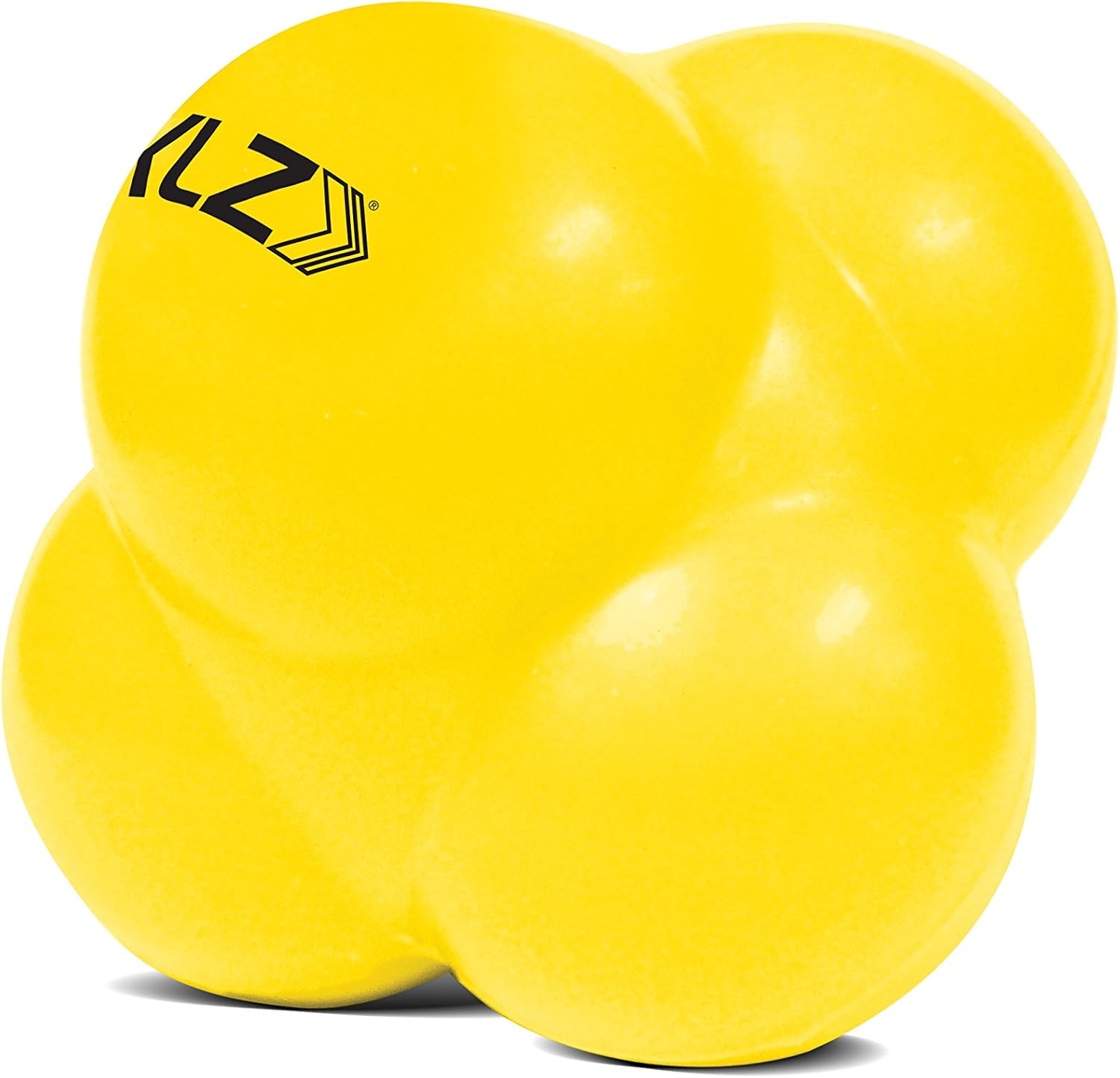
Six rubber bumps mean you can’t predict where it’s going. Throw it against a garage wall or a brick flowerbed and your player has to read it, move their feet and stay low, which is exactly what a bad hop on a hard Texas infield in August asks them to do. It’s also the rare training aid kids pick up on their own.
- Best for: Any age, especially younger players who need hand-eye work without a parent feeding balls
- Watch-outs: The bounce really is erratic, and some kids get frustrated fast. Start with short distances and soft throws. Keep it away from windows and cars
- Budget lane: Under $15 (about $12 when we checked)
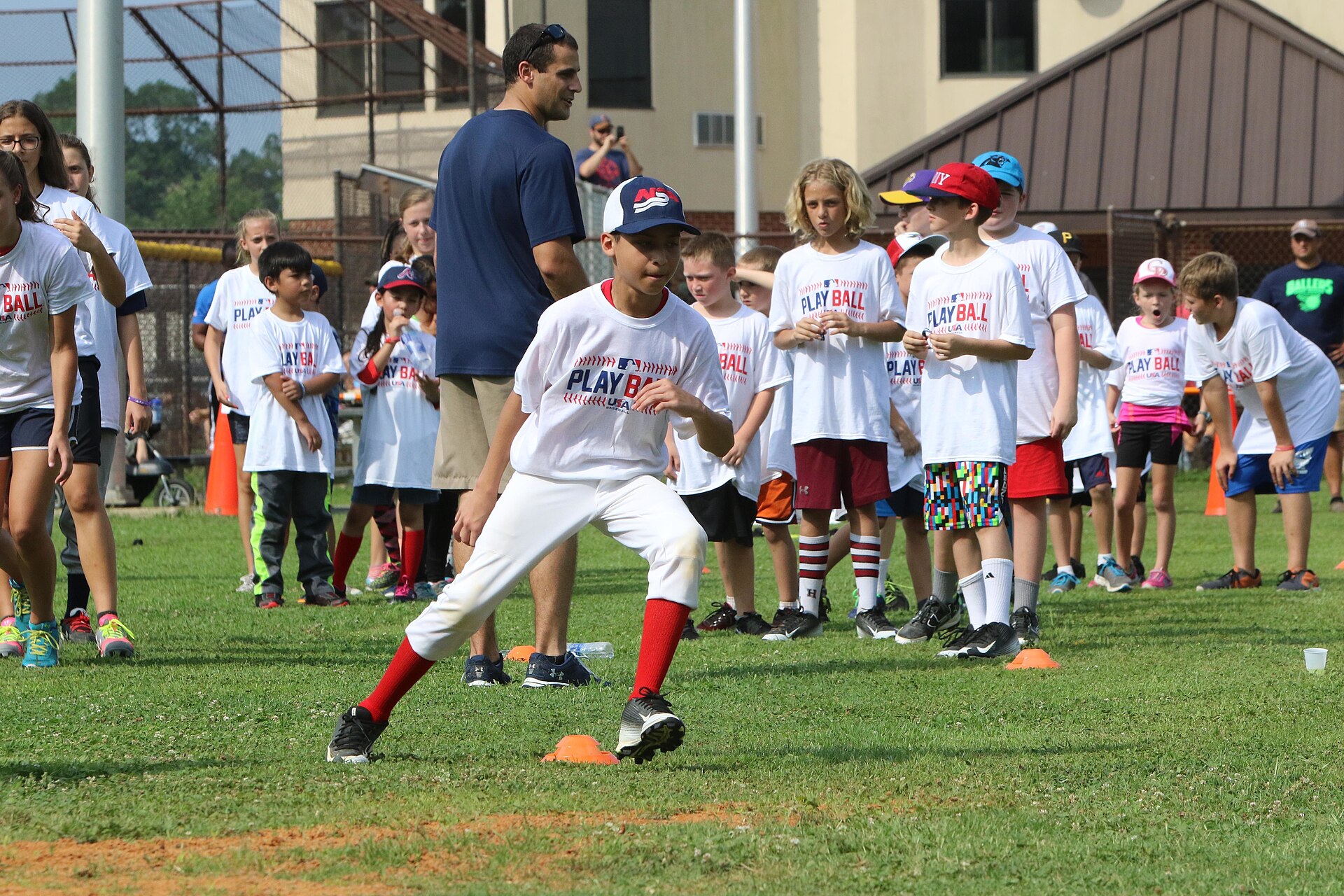
3. SKLZ Speed and Agility Ladder — footwork without a facility membership
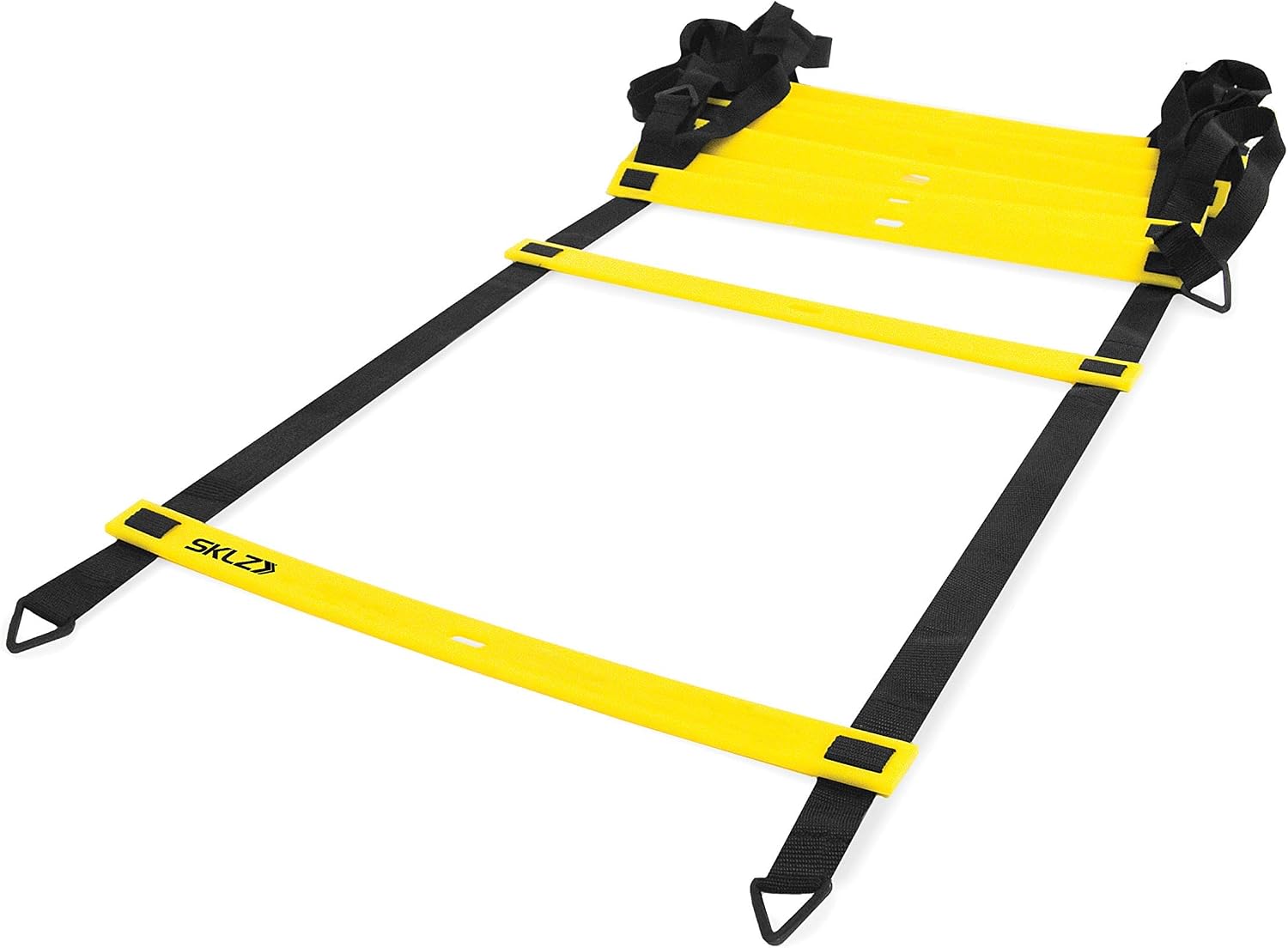
First-step quickness shows up everywhere: getting to a ground ball, a jump on the bases, getting the feet set to throw. A ladder on the backyard grass or a garage floor gives your player a 10-minute footwork routine they can do on a weeknight when it’s dark by 6. It’s not baseball-specific, which is fine. Athleticism transfers.
- Best for: 10U–14U players in the offseason and multi-sport kids
- Watch-outs: Buyers say the straps twist easily and it slides around if you don’t pin it down, so stake it on grass or tape the ends on a hard floor. Fast feet don’t matter if the form is sloppy, so go for clean reps, not speed
- Budget lane: Under $30 (about $30 when we checked)
4. SKLZ Pitch Training Baseball — grips you can see
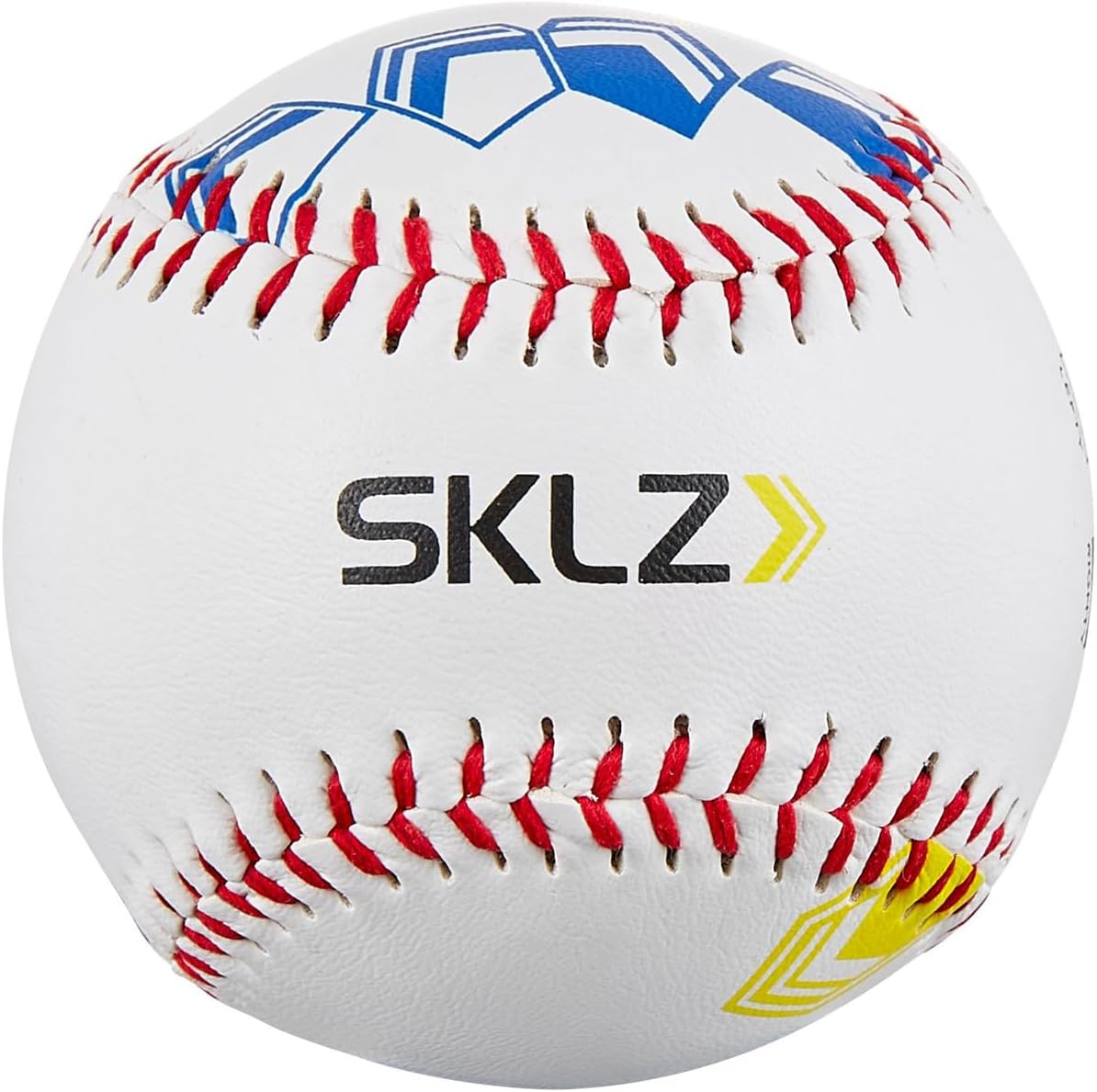
Young pitchers often hold a four-seam fastball wrong without realizing it. This is an official-size, official-weight ball with finger spots printed on it, so a kid can check a four-seam or two-seam grip in the backyard without a coach standing over them. For under $10, it settles a lot of “show me again” arguments.
- Best for: Beginning pitchers about 8U–12U learning fastball grips
- Watch-outs: The ball also marks curveball and slider grips. Most sports-medicine guidance says to wait on those pitches (see the age table below), so stick to the fastball markers. Buyers also note there’s no instruction card and the marks show placement for only two fingers
- Budget lane: Under $10 (about $9 when we checked)
5. Jaeger J-Bands — arm care that teams already use
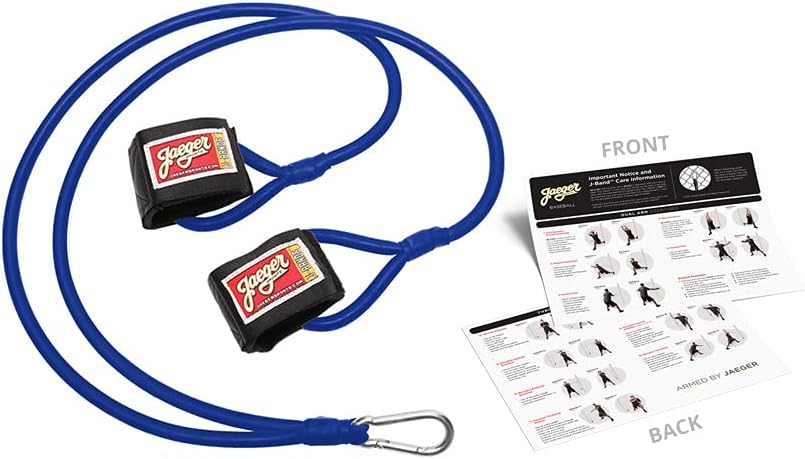
J-Bands are a long-running arm-care staple, with nearly 3,800 Amazon ratings when we checked. They come with a laminated exercise sheet, and the routine is about strengthening the shoulder and upper back muscles that protect the arm, not about chasing velocity. That makes them one of the few “pitching” aids we’d actually hand a 12-year-old.
- Best for: Pitchers and position players about 11U and up, under a coach’s or trainer’s guidance
- Watch-outs: The listing promises extra velocity. Treat that as marketing. The real value is arm health. Have someone who knows the routine show your player the movements first, use light resistance, and never use bands as a reason to throw more
- Budget lane: Under $45 (about $43 when we checked)
Want these in an actual weekly plan? Our youth baseball offseason training plan lays out what a good week looks like by age, including the rest from throwing that matters as much as anything you can buy.
Worth it only in the right situation
This is the one we get asked about most. It’s a legitimate tool, but it’s a big buy, and most families don’t need it yet.
SKLZ Hurricane Category 4 Swing Trainer — good tool, but only for the right kid
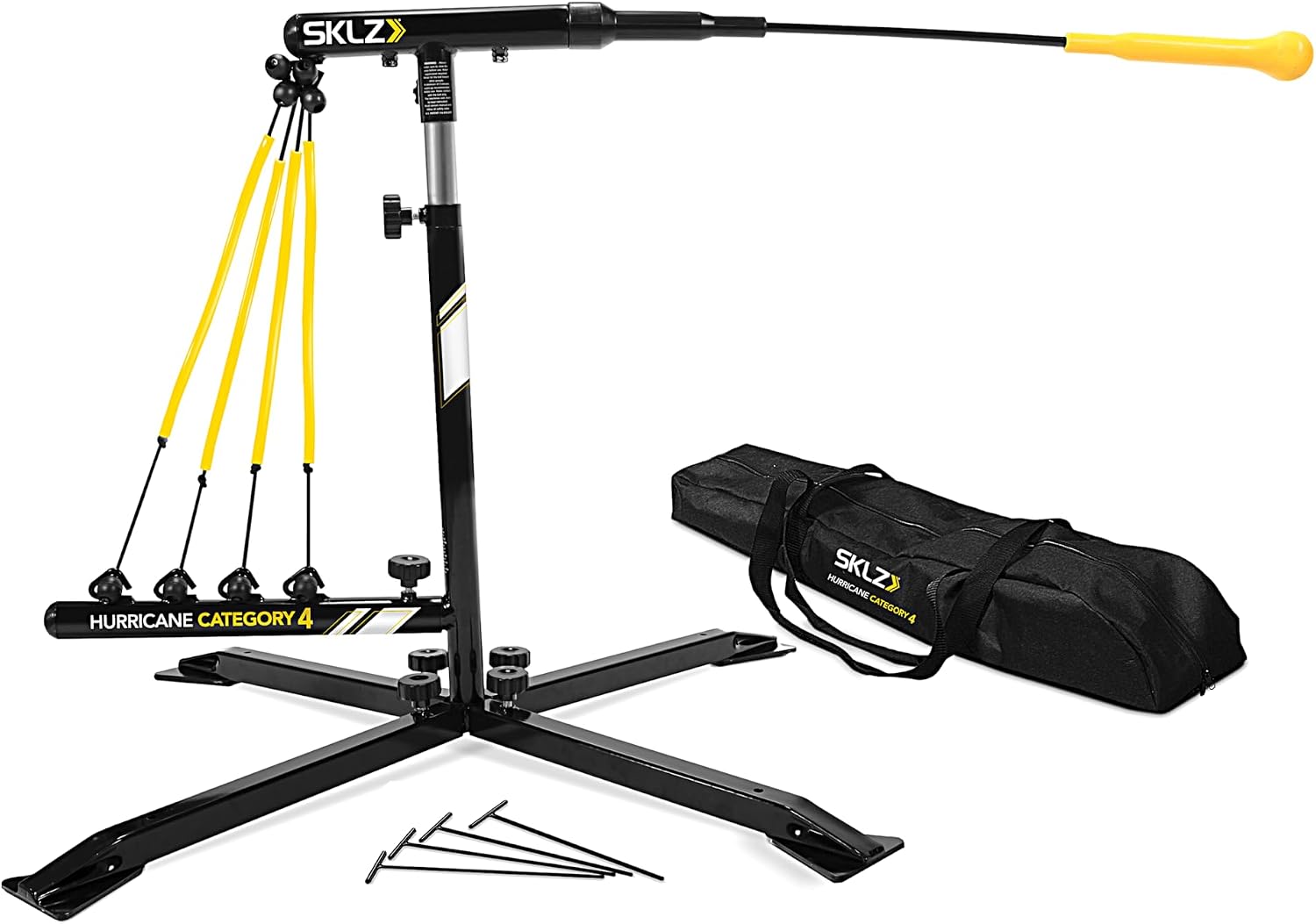
The Hurricane is a padded ball on a swinging arm with four power bands, so it can sit still like a tee or swing around like a moving pitch, with the bands changing the speed. Buyers who use it consistently say they’ve seen real improvement in their kids’ swings. It’s also a 37-pound, $150 piece of equipment, and it only helps if someone knows what a good swing looks like.
- Best for: Hitters about 9U–14U who already do regular tee and net work and have a hitting coach who’d use it with them
- Watch-outs: Buyers are split on durability. It isn’t a pitched ball, so timing still has to come from front toss and live at-bats. If a tee and net aren’t getting used now, this won’t change that
- Budget lane: About $150 when we checked
Gimmicks (and risky stuff) to skip
This is where parents lose the most money, and sometimes more than money. Here’s what the research actually says about the most common sales pitches.
Weighted-ball velocity programs for young arms. In a 2018 randomized trial in Sports Health, 38 healthy pitchers ages 13 to 18 were split into two groups. The group on a six-week weighted-ball program (2 to 32 oz balls, three times a week) gained 3.3% in pitch velocity. But 24% of that group got hurt, with four elbow injuries including two stress fractures and two UCL injuries. Nobody in the control group got hurt. The authors noted their program was less aggressive than many popular ones. If a facility pushes weighted balls on your 11-year-old, ask a lot of questions.
The donut on the bat in the on-deck circle. It feels like it works, because the regular bat feels lighter afterward. But a 1992 study of 60 high school varsity players found the donut ring consistently produced the lowest bat speed of 13 warm-up options. A 2009 study found a heavy warm-up bat led to slower swings with a normal bat than warming up with a light or normal one. Other studies found no difference at all. Either way, a few normal swings is as good or better, and it’s free.
Breaking-ball trainers for young pitchers. The American Sports Medicine Institute’s position statement says the first steps for young pitchers are learning, in order, basic throwing, the fastball and then the change-up. It also says throwing curveballs too early can lead to arm fatigue and get in the way of learning fastball mechanics. Commonly cited guidance from Dr. James Andrews and Dr. Glenn Fleisig puts the recommended learning ages like this:
| Pitch | Recommended age to learn |
|---|---|
| Fastball | 8 (±2) |
| Change-up | 10 (±3) |
| Curveball | 14 (±2) |
| Knuckleball | 15 (±3) |
| Slider | 16 (±2) |
Source: Andrews Sports Medicine & Orthopaedic Center, from work by James R. Andrews, MD, and Glenn S. Fleisig, PhD.
Radar-gun obsession. That same ASMI statement tells families of adolescent pitchers to avoid radar guns. If you still want one for occasional check-ins, our youth baseball radar gun guide covers which ones are worth it. Just don’t make every bullpen a velocity contest.
Anything that promises fast results. Swing harnesses, light-up bats and “secret” trainers that promise more exit velocity in a few weeks. If the main selling point is a number on the box, or it only works with a pro coach’s video, put your money toward a few lessons instead.
What most North Texas parents should actually buy
Here’s how we’d spend it, in order, based on the prices we saw:
- About $27: SKLZ Softhands plus a Reaction Ball. This covers fielding work in the driveway all winter.
- About $66: add the agility ladder and a grip-marked baseball for weeknight footwork and pitching grips.
- About $110: add J-Bands if your player pitches or is 11U and up, and get someone who knows the routine to show them how to use the bands.
- Still need the basics? A net and a tee come before all of it. See the portable batting nets and tees we recommend.
One more thing a training aid can’t fix: rest. ASMI’s adolescent pitcher guidance says no overhead throwing of any kind for at least two to three months a year, and four is better. North Texas fall ball runs late and spring tryouts start early, so that break often has to be planned on the calendar or it won’t happen.
For bats, gloves, bags, helmets and everything else on the gear list, head back to the North Texas select baseball gear guide.
Product photos via Amazon. Section photos via Wikimedia Commons, credited under each image.