The Complete Youth Baseball Offseason Training Plan
Youth baseball offseason training works best as a short weekly plan with real rest — not a second full season. For most North Texas families, that means 2–4 focused sessions a week after tryout season (typically October–November), a true stretch with little or no competitive throwing, and priorities that match the age band (10U–13U+). The goal is a healthier arm, clearer skills, and a kid who still wants to play in March.
Texas winters are mild enough that the group chat never really shuts up. Short daylight, school calendars, and select tryouts still stack on top of each other from Frisco to McKinney. Use this plan with our Ultimate Guide to Select Baseball in North Texas for the bigger picture, and the jump to 13U baseball when your player is heading onto 60/90. Pair equipment choices with the Baseball Gear Guide — this piece is the weekly structure, not a shopping list.
The North Texas offseason isn’t “off” — and that’s the problem
In colder states, weather forces a break. Around DFW, you can find a cage, a trainer, and a Sunday showcase almost any week. That’s convenient. It’s also why a lot of 11U and 12U arms never get the continuous rest that sports-medicine programs recommend — often cited as about two to three months away from competitive throwing each year.
Meanwhile October and November are tryout season. Families are driving to Allen, Coppell, Prosper, and Rockwall on Saturdays, then getting asked about private lessons and winter ball before the offer text cools off. If you’re still comparing programs, keep our 2027 North Texas tryout tracker open and read how select baseball tryouts actually work so “training” doesn’t turn into another full team schedule by accident.
A useful mental model: fall = decide the team, early winter = recover and rebuild athleticism, late winter = ramp skills and throwing, preseason = baseball volume again. Mixing those phases is how kids show up to opening weekend already tired.
What a good week looks like (before you buy anything)
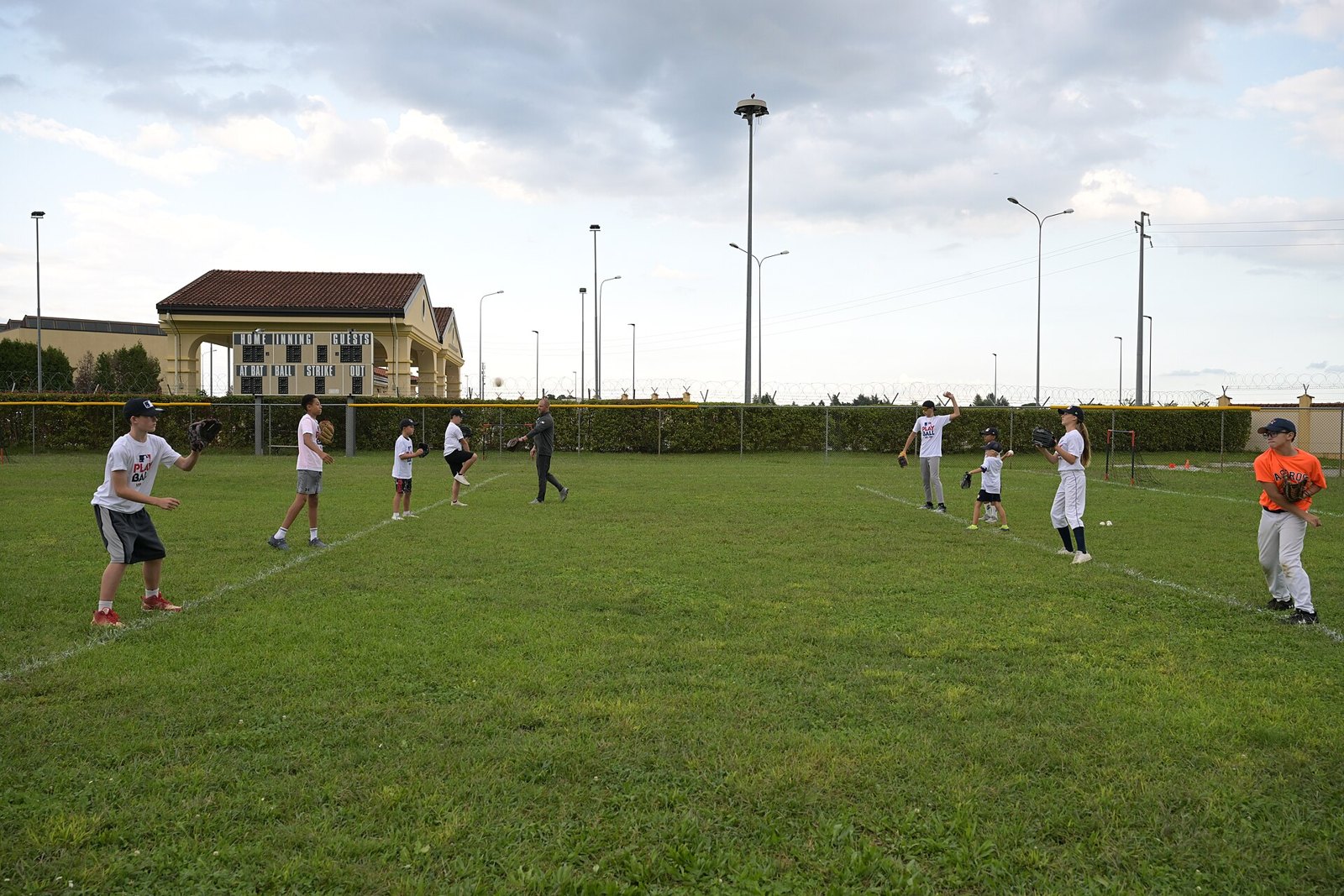
Write three priorities on a sticky note — not twelve. Examples that actually move the needle: cleaner arm action and catch play, consistent contact off a tee, first-step footwork, or basic strength and sprint mechanics. Everything else is optional noise.
- 2–4 sessions per week of 20–45 minutes (age-dependent), not daily grind.
- At least one full rest day with no organized baseball.
- One fun athletic day that isn’t baseball — bike, swim, pickup basketball, open gym.
- Sleep and school first. A tired middle-schooler with perfect cage form is still a bad plan.
- Pain is a stop sign. Shoulder or elbow pain during or after throwing means rest and, if it persists, a clinician — not ice and another bullpen.
If your kid is still growing through the 10U–13U age-group changes, keep expectations honest: coordination dips mid-growth spurt. Training should stabilize movement, not chase max velocity screenshots.
Age-band plans that fit real North Texas calendars
10U–11U: short, playful, fundamentals-first
Keep it light. Two or three sessions a week, 20–30 minutes. Mix tee work, soft toss, ground balls, and easy catch. Strength work is bodyweight and balance — no heavy lifting programs marketed to 10-year-olds. If they want soccer or basketball two days a week, that’s development, not a distraction.
- Sample week: Mon tee + footwork (25 min) · Wed catch + grounders (25 min) · Sat fun sport or open field play · Sun rest
- Throwing: easy catch only; skip competitive pitching volume through the early rest window
- Skip: year-round private pitching lessons stacked on fall ball and winter leagues
12U: protect the arm while skills get more serious
This is where North Texas pressure spikes. Kids look bigger, radar guns show up at tryouts, and somebody’s dad is already talking summer showcases. Take the early offseason seriously as a throwing downshift — often several weeks with little or no mound work — then ramp catch play gradually before spring.
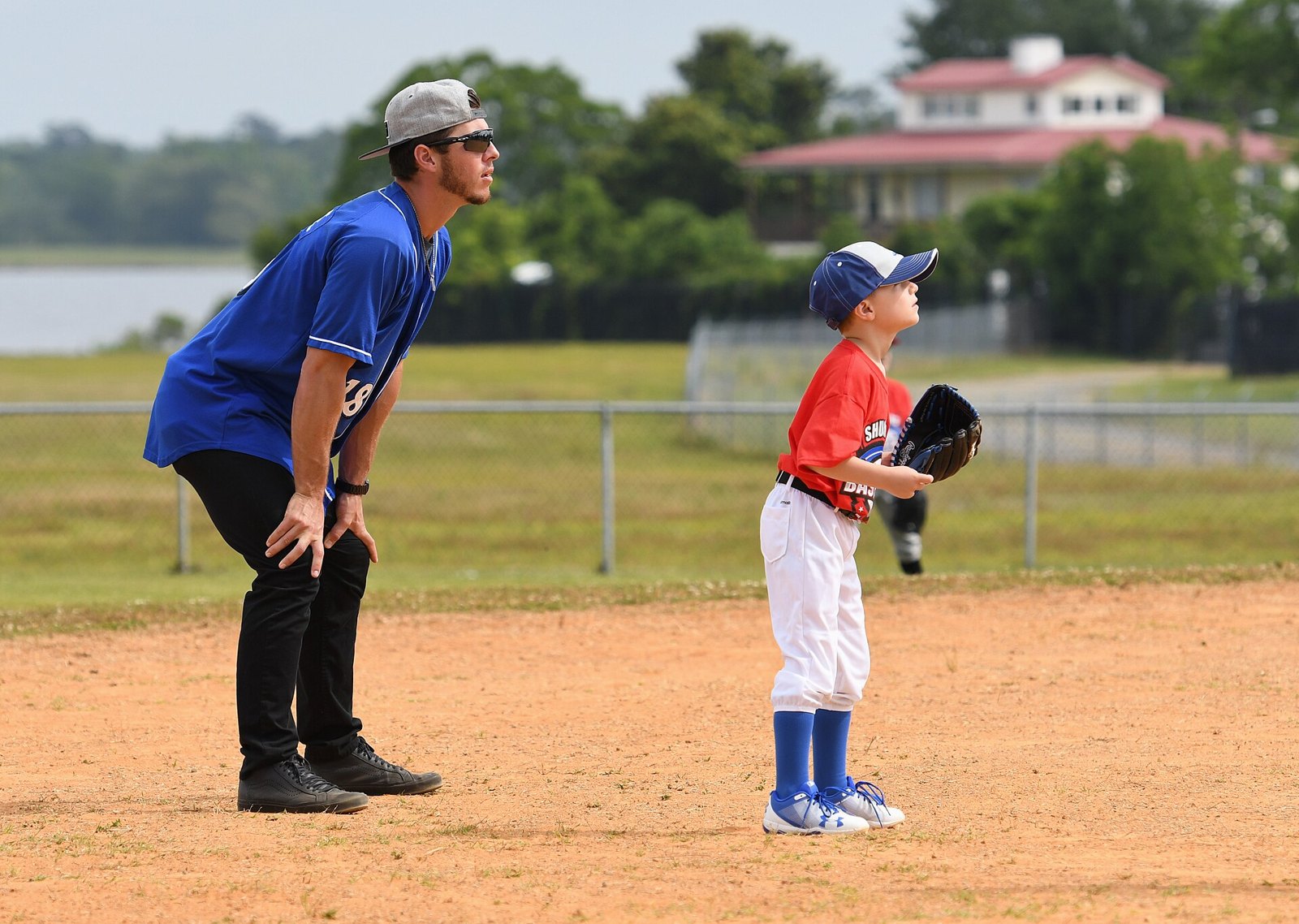
- Sample week: Mon mobility + bodyweight strength (30 min) · Tue hitting quality (tee/front toss, 30 min) · Thu fielding + easy catch (30 min) · Sat athletic play · one rest day
- Throwing ramp later: short-distance catch → longer catch → light positional throws — not bullpens on day one
- One coach voice: if you hire a hitting or pitching instructor, make sure the team coach knows the plan so cues don’t fight each other
13U+: 60/90 reality without winter burnout
The jump to 13U changes throw distances, bat rules, and the social pressure overnight. Offseason work should emphasize legs, hips, core, and movement quality — not max-effort long toss every night under stadium lights. Growth spurts make kids temporarily clumsy; chasing velocity through that window is how elbows get loud.
- Sample week: 2 strength/mobility days · 1–2 skill days (hitting or defense) · 1 speed session (short sprints with full rest) · 1–2 rest or other-sport days
- Throwing: build a progressive return after the rest block; coordinate school ball + select + lessons so total throws have a ceiling
- Watch-outs: showcase calendars and “winter travel ball” that erase the rest you planned
Hitting work that actually transfers
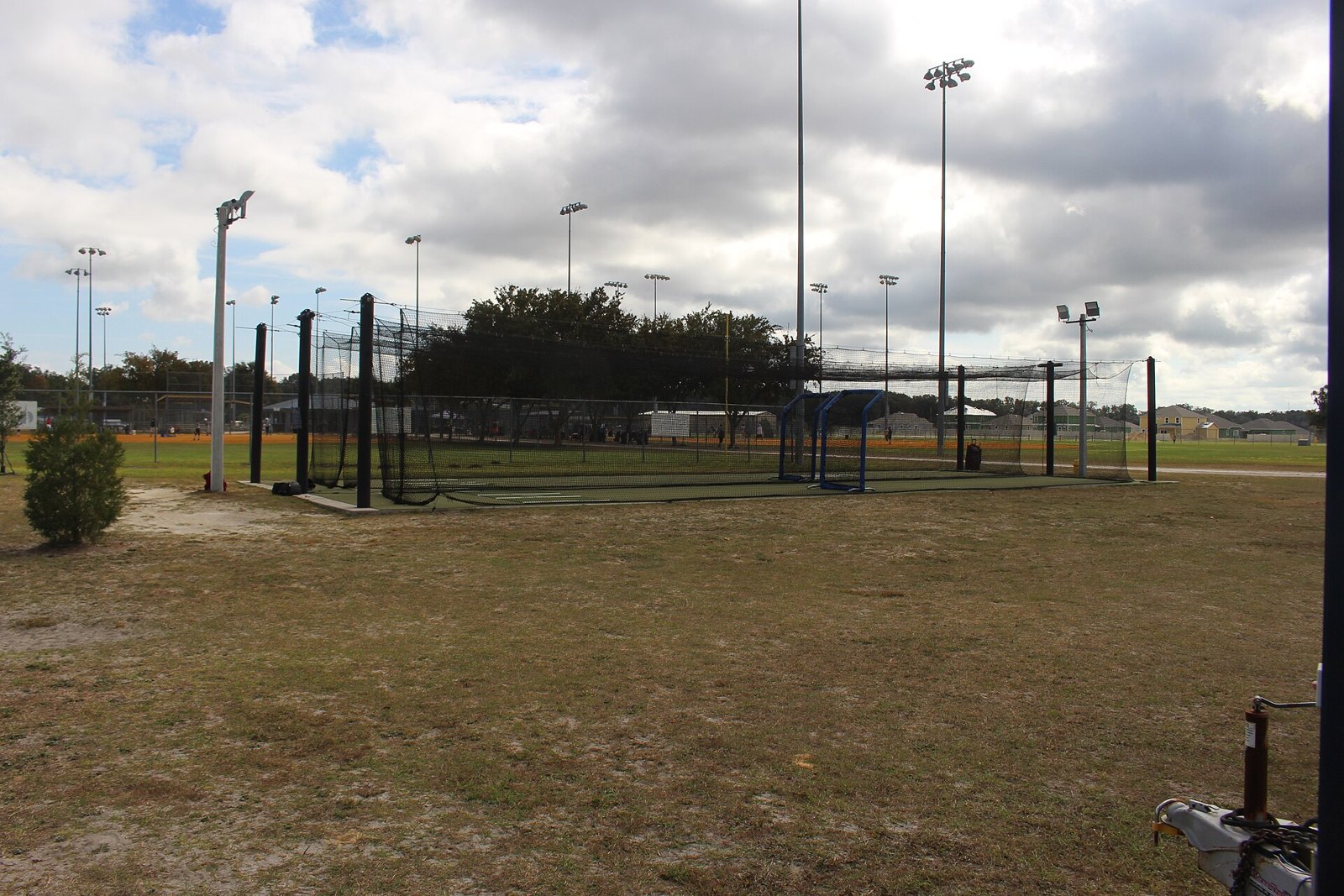
Cage time is useful when it’s deliberate. Ten perfect tee swings beat a hundred mindless machine hacks. A backyard net and tee cover most of what 10U–12U need — see our picks for portable batting nets, tees, and backyard training gear if you’re building a simple setup.
- Quality over volume: stop when focus drops, not when the bucket is empty
- Mix constraints: tee for path, front toss for timing, occasional live for decision-making — not live only
- Film sparingly: one helpful clip beats a phone full of swings nobody watches
Throwing, arm care, and the rest window
Sports-medicine guidance for youth baseball commonly emphasizes a continuous break from throwing each year — often framed as roughly two to three months — to lower overuse risk. In North Texas that window is easy to skip because the weather never forces it. Build it on purpose.
- Early offseason: little or no competitive throwing; keep the body moving with mobility, legs, and other sports
- Mid offseason: reintroduce easy catch at short distance, then add volume slowly
- Late offseason / preseason: positional throws and controlled mound work if the player pitches
- Never: throw through elbow or shoulder pain to “keep the arm loose”
If your pitcher also throws for school or a second team, count those throws in the same week. The arm doesn’t know which logo is on the jersey.
Indoor vs outdoor: short daylight, not endless excuses
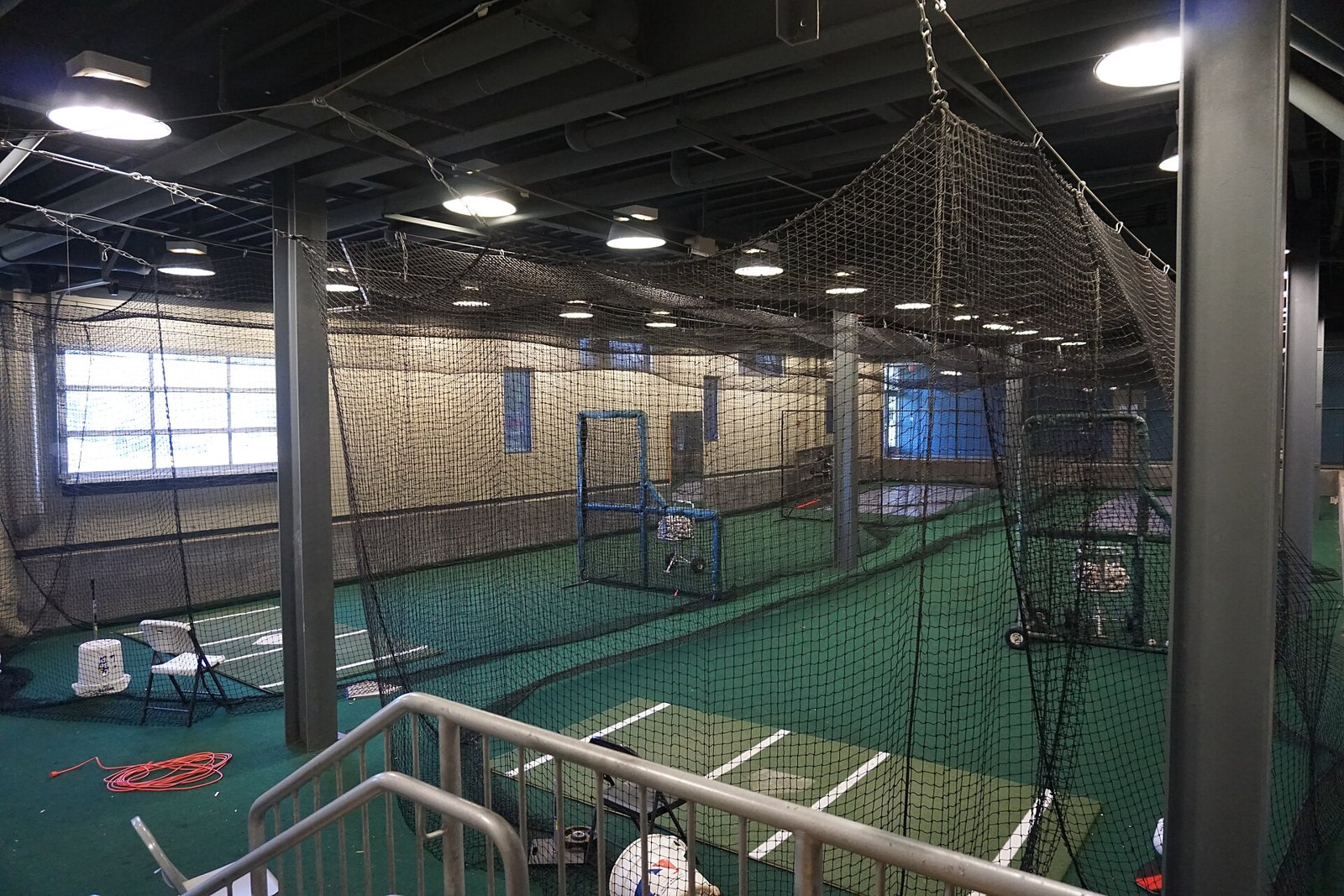
By late November, outdoor practice after school in Collin or Denton County means headlights and cold fingers — even when the high is 58°F. Indoor cages and turf facilities around Frisco, Plano, and McKinney solve the daylight problem. They don’t require you to book seven sessions a week. Two quality indoor hits plus outdoor catch on a Saturday still beats a month of rushed weeknight bullpens.
When temperatures dip, parents need warm layers as much as players do — our cold-weather baseball gear guide covers the practical stuff for stands and practices. Training gear itself still belongs under the Gear Guide, not in a second full kit every December.
What to skip (even if the group chat swears by it)
- Year-round pitching lessons with no rest block — development without recovery is just load
- Shiny training gadgets that promise bat speed in two weeks; most 11U gains come from sleep, reps, and athleticism
- Showcase hopping before the player has a stable team and arm plan
- “More tournaments = more development” in December and January — often it’s just more innings
- Comparing your kid’s winter to the loudest Instagram account in the org
Anti-hype rule: if a product or program’s main sales pitch is fear (“everyone else is throwing already”), walk away. A calm plan beats a panic plan.
A simple 12-week skeleton you can actually follow
- Weeks 1–2: recover — light athleticism, mobility, no competitive throwing
- Weeks 3–6: build the base — strength/mobility, speed play, hitting quality, defense footwork
- Weeks 7–10: return baseball volume — progressive throwing, more live-ish hitting, positional work
- Weeks 11–12: preseason bridge — team practices take priority; keep one recovery day sacred
Shift the calendar to match your tryout finish date. A kid who accepted a roster on November 1 doesn’t need the same Week 1 as a kid still trying out Thanksgiving week.
Parent checklist (print this, stick it on the fridge)
- Three written priorities for the offseason — and nothing else mandatory
- A rest block with little or no competitive throwing (especially for pitchers)
- Weekly session cap you can keep during school weeks
- One other sport or free-play day
- Agreement with any private instructor on throwing load
- A stop rule for pain
- A March goal that isn’t “be the hardest-throwing kid in the parking lot”
If you’re still deciding whether this team’s winter expectations match your family, go back to how to evaluate a select baseball team before you prepay a winter package. The offseason plan should serve the kid — not the org’s facility calendar.
Bottom line
Youth baseball offseason training in North Texas is less about finding more places to throw and more about choosing fewer, better sessions with real rest. Mild winters and tryout season make overuse easy. A clear weekly structure by age band, arm-friendly throwing progressions, and the courage to skip gimmicks will beat a crowded December every time.
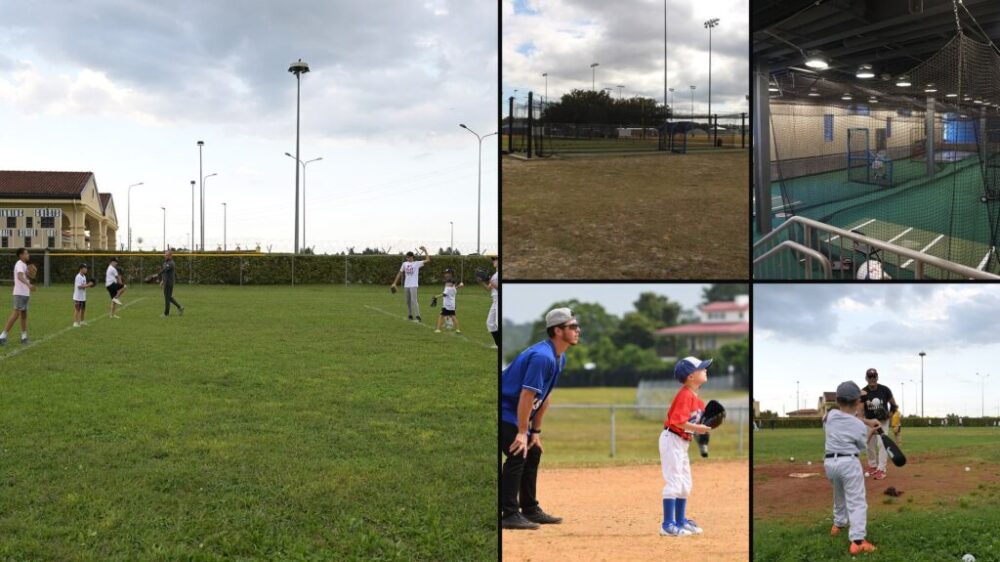
Header collage image sources via Wikimedia Commons: 2nd Lt. Hannah Malone / U.S. Air Force (public domain), Michael Rivera (CC BY 4.0), Michael Barera (CC BY-SA 4.0), Kemberly Groue / U.S. Air Force (public domain), 2nd Lt. Hannah Malone / U.S. Air Force (public domain).